Metals & Minerals
Oceania's Metals & Minerals Outlook: Miners Should Hold Tight Until 2017
Industrial Info is tracking more than 133 active Oceania coal capital-projects, worth $50.14 billion, that have had their kickoff dates pushed back to 2017-2018
Released Wednesday, October 07, 2015
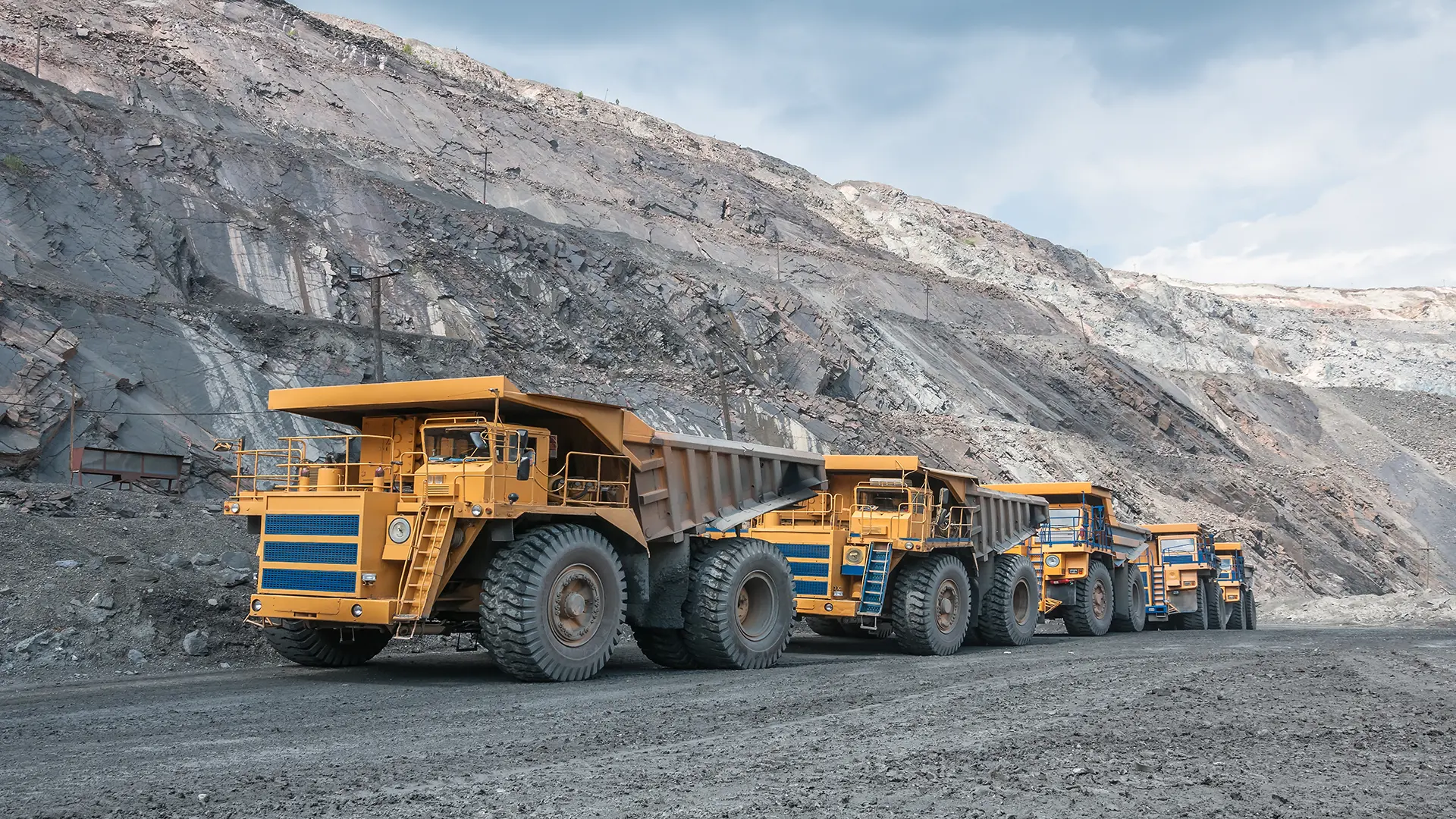
Researched by Industrial Info Resources Australia (Perth, Australia)--The Australian economy has been hugely affected by the mining downturn. Data from Industrial Info can help businesses navigate the market during these periods of uncertainty.
Industrial Info is tracking more than 133 active coal capital projects, worth $50.14 billion, that have had their kickoff dates pushed back to 2017-18. Industrial Info is also tracking more than 124 active iron capital projects in planning, worth $36.66 billion, with kickoff dates scheduled for the same period.
Similarly, at least $9 billion worth of gold capital project activity is being tracked throughout Oceania--$3.66 billion of which is coming out of Papua New Guinea (PNG). In fact, more than half of the $7.81 billion in active copper capital projects throughout Oceania can be attributed to PNG's 10 projects, worth $4.39 billion.
Below is Industrial Info's summary of some of Australia's central commodities:
Coal
Coal is still very cheap to use, and there is plenty available. But there has been increasing pressure on the entire industry, particularly as global environmental concerns grow, in addition to major technological changes in energy infrastructure that is making coal less economically viable. Even in China, the growth of coal use is dwindling, when compared with previous years, as the country continues its push to cut coal emissions.
Thus, Australian coal has taken a big hit. Japan and India (the next two largest importers of Australian coal) also have started to shift their focus away from Australia's coal market.
Japan has begun to restart its nuclear reactors as an alternative to coal, and India is planning to develop and ramp up its domestic coal production to reduce its reliance on importing the more expensive Australian coal. Industrial Info does not expect the industry to pick up until 2017-18 at the earliest.
Iron
The price of iron ore has been hovering around the $50 mark for most of the year. Continued supply growth from Australia and lower steel output throughout China have encouraged analysts to suggest that prices may be pushed below $40 per ton in 2016.
It is common knowledge that the global iron ore producing behemoths--BHP Billiton Petroleum (NYSE:BHP) (Melbourne, Australia) and Rio Tinto plc (NYSE:RIO) (London, England)--have flooded the global iron market, and this is expected to continue into 2016. Moreover, it is likely that supply from the new Roy Hill iron ore mine will contribute to the damaging price slump anticipated for 2016. The mine is due for completion and its first ore shipments by November 2015.
Steel output in China will slow relative to the country's property slowdown. As a result, many steel mills have reduced output and cut sustainability costs. Considering China accounts for 50% of global steel production, this is worrying news for the iron industry. As with the coal industry, Industrial Info does not expect the steel industry to pick up until 2017-18 at the earliest.
Gold
The price of gold has continued to fall throughout the year, despite an obvious increase in demand from consumers in emerging markets. This has been heavily linked to news regarding interest rate rises from the U.S Reserve Bank. Only this week, the price of gold has jumped 2.2%, making it the biggest percentage increase since mid-January. The Reserve Bank's decision to keep interest rates on hold is said to be attributed to this rise.
Gold demand will remain strong in the second half of the year because Festival season for both China and India is expected to boost physical purchases of gold from retail consumers, particularly if the price of gold remains low. The two countries imported more than 360 tonnes of gold jewelry in the first quarter of 2015 alone.
The Indian wedding season and Diwali festival in November are perhaps the best examples of holiday periods where gold purchases increase considerably. A hold on interest rates from the U.S. Reserve Bank likely will remove any uncertainty about the outlook for gold, and thus prices are expected to rise moving into 2016. Data from Industrial Info supports this statement, with most capital projects scheduled for kickoff by mid-2016.
Copper
Copper is close to its lowest price level in more than six years, largely due to the slowing Chinese economy. The price of copper may increase sooner than the price of iron ore as high-tech products, such as batteries, smartphones and electric cars could boost demand for the commodity. Despite this, the current outlook for copper is grim as Chinese construction and infrastructure developments continue to slow.
South Australia hopes to support the Australian Copper Industry by formulating a strategy to ramp up production in the state. It is predicted that South Australia can become the country's largest copper-producing state and leading contributor to Australia's copper export position in the global rankings. South Australia hopes to grow the state's copper production to 1 million tonnes per year by 2030.
The South Australian government predicts that a significant deficit is expected to emerge from 2020, due to declining resource grades in existing and potential mines; increasing costs of extraction and processing; and longer cycle times for projects. An increased focus will be given to attracting external partners from the Americas, in particular, for investment opportunities in the state. Industrial Info does not expect the industry to pick up until mid-2017 at the earliest.
Industrial Info Resources (IIR), with global headquarters in Sugar Land, Texas, five offices in North America and ten international offices, is the leading provider of global market intelligence specializing in the industrial process, heavy manufacturing and energy markets. Industrial Info's quality-assurance philosophy, the Living Forward Reporting Principle, provides up-to-the-minute intelligence on what's happening now, while constantly keeping track of future opportunities.
/news/article.jsp
false
Want More IIR News Intelligence?
Make us a Preferred Source on Google to see more of us when you search.
Add Us On GoogleAsk Us
Have a question for our staff?
Submit a question and one of our experts will be happy to assist you.

Forecasts & Analytical Solutions
Where global project and asset data meets advanced analytics for smarter market sizing and forecasting.
Explore Our SolutionsRelated Articles
-
Glencore Eyes Growth at North American Copper, Nickel MinesAugust 21, 2026
-
Australia Steps In to Save Largest Aluminium SmelterAugust 21, 2026
-
Copper Miners Cut 2026 Guidance Following Severe Storms in C...August 21, 2026
-
In Minnesota Mining Blow, Governor Walz Bans Mine Permits in...August 19, 2026
-
Chile's Copper Growth Hinges on Faster Permitting, More Ince...August 19, 2026

PECWeb Global Market Intelligence Platform
Identify opportunities, anticipate change, and execute with confidence. PECWeb connects the industrial intelligence you need, from projects and assets to operational events, all in one platform.
Discover PecwebIndustry Intel
-
European Chemicals and Transport Fuels OutlookPodcast Episode / Jul 10, 2026
-
2026 European Petroleum Refining Project OutlookPodcast Episode / Jun 26, 2026
-
Brazil: Efficiency, Innovation, and Opportunities in the Food & Beverage IndustryPodcast Episode / Jun 12, 2026
-
2026-2027 Investment Radar for Mexico, Central America & the CaribbeanPodcast Episode / May 29, 2026
-
Innovations Shaping the Next Era of Power GenerationPodcast Episode / May 22, 2026