Metals & Minerals
Australian Government's Mining Tax One Step Away From Becoming Law
It is widely believed that the mining tax will face no major issues in the senate, which will mean that, from July 1, 2012, many of Australia's largest businesses will see two new taxes...
Released Friday, November 25, 2011
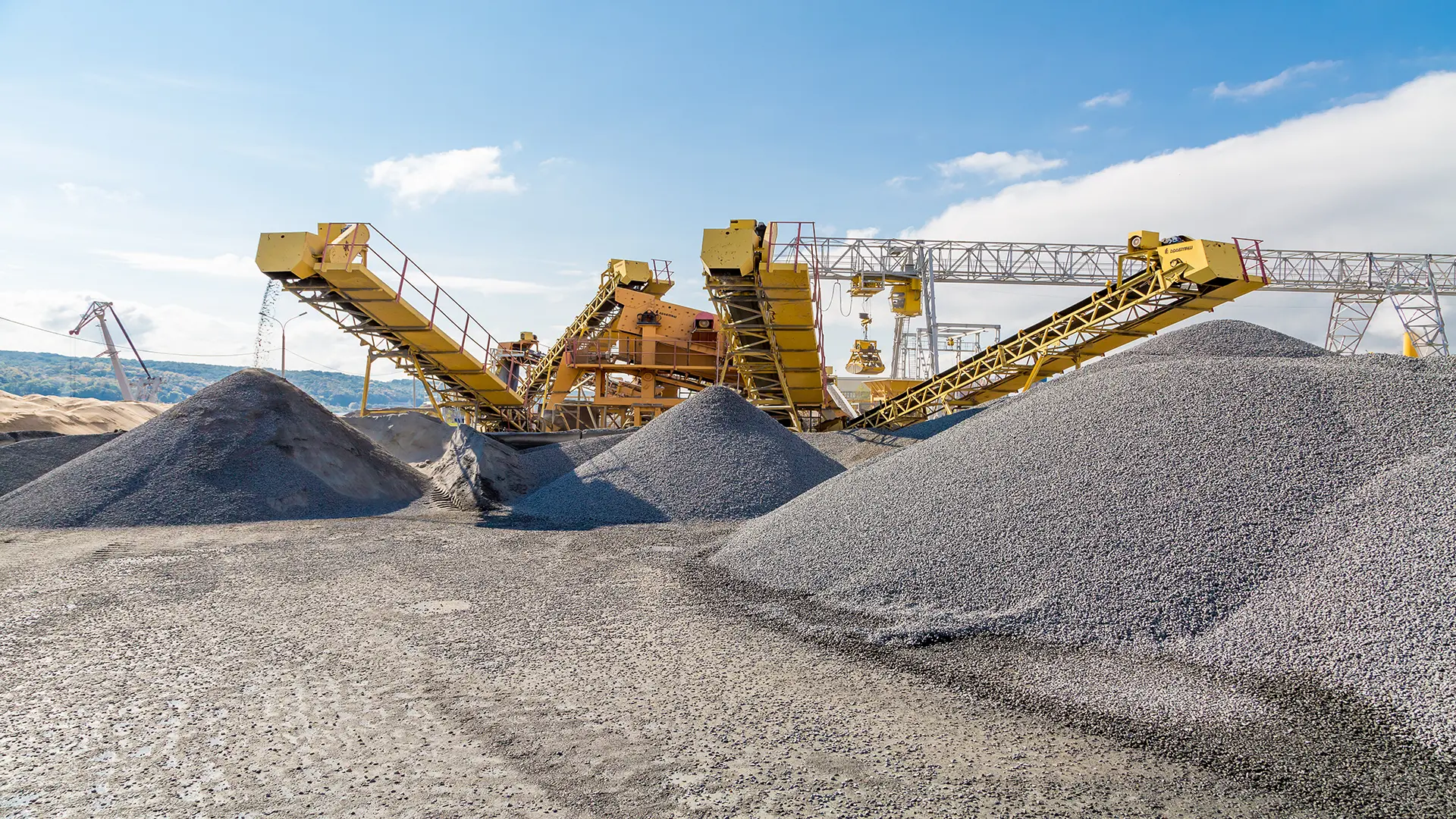
Researched by Industrial Info Resources (Perth, Australia)--A mere two weeks after the Australian Labour Party succeeded in pushing the long-debated carbon tax through parliament, the only thing now standing in the way of the mining tax, or "Mineral Resource Rent Tax" (MRRT), as the government prefers to name it, is Australia's upper house of parliament, the senate. Although it is not guaranteed, it is widely believed that the tax will face no major issues in the senate, which will mean that, from July 1, 2012, many of Australia's largest businesses will be hit with a double whammy to their bottom lines, in the shape of two new taxes.
The introduction of the MRRT has not been easy for the Labour government. It has taken 18 months of constant debate and negotiations; cost the former prime minister, Kevin Rudd, his job; and even required a name change. But Prime Minister Julia Gillard was upbeat as she made the announcement yesterday. When the tax was initially announced in 2010, then dubbed the "Resource Super Profits Tax," Australia's mining industry was up in arms. Facing the possibility of a new 40% tax on their profits and having been given no prior warning, they hit back at the government hard, which saw the Labour Party's popularity take a sudden, dramatic, turn for the worse and resulted in then-Prime Minister Kevin Rudd being replaced by Gillard.
During the past 12 months and after secret discussions with three of the world's largest mining companies, Gillard has completely modified and watered down the tax, so that it will now be applied only to iron ore and coal producers and has been reduced to 30% of profits. The three largest miners to be affected by the tax are BHP Billiton Limited (NYSE:BHP) (Melbourne, Australia), Rio Tinto Limited (NYSE:RIO) (Melbourne) and Xstrata Limited (LSE:XTA) (Zug, Switzerland), along with scores of smaller Australian miners, including Fortescue Metals Group Limited (ASX:FMG) (Perth), who have been fighting a vigorous media campaign against the tax, claiming that it has been modified to suit the three largest miners with little or no consultation with the rest of the industry.
The government argues that about 80% of the total tax revenue will be paid by the three largest miners, but the smaller miners say that the tax deductions that are included will favour the large companies while holding back the developing ones. The Australian Green Party would prefer to expand the tax to cover all minerals, not simply iron ore and coal; with the introduction of this initial tax, some Australians voiced concern that the scope of the tax could be increased in the future to gain more revenue.
Industrial Information Resources is tracking 216 active iron ore and coal projects across Australia, with a total investment value of more than $184 billion, which accounts for a substantial portion of the total Metals & Minerals industry in the region. We now must wait until both this mining tax and the carbon tax are introduced, next year, before we see the exact effect that these taxes will have on total investment in these areas. With the opposition party already promising to rescind both taxes, should they win the next election, the current government will be hoping that they have done their homework correctly and that the taxes do not cause a sudden exodus of capital investment from one of the few Australian industries that is still growing strongly. With the rest of the Western world currently struggling to drag itself out from underneath a mountain of self-inflicted debt, potentially dragging the rest of the world down with it, and rumours of an economic slowdown in China starting to surface, these two taxes may turn out to be very poor timing for the current government. If they are successful, however, they could form the framework that could be built upon to ensure Australia continues to a bright and prosperous future.
Industrial Info Resources (IIR), with global headquarters in Sugar Land, Texas, and eight offices outside of North America, is the leading provider of global market intelligence specializing in the industrial process, heavy manufacturing and energy markets. Industrial Info's quality-assurance philosophy, the Living Forward Reporting Principle, provides up-to-the-minute intelligence on what's happening now, while constantly keeping track of future opportunities.
/news/article.jsp
false
Want More IIR News Intelligence?
Make us a Preferred Source on Google to see more of us when you search.
Add Us On GoogleAsk Us
Have a question for our staff?
Submit a question and one of our experts will be happy to assist you.

Forecasts & Analytical Solutions
Where global project and asset data meets advanced analytics for smarter market sizing and forecasting.
Explore Our SolutionsRelated Articles

PECWeb Global Market Intelligence Platform
Identify opportunities, anticipate change, and execute with confidence. PECWeb connects the industrial intelligence you need, from projects and assets to operational events, all in one platform.
Discover PecwebIndustry Intel
-
Brazil: Efficiency, Innovation, and Opportunities in the Food & Beverage IndustryPodcast Episode / Jun 12, 2026
-
2026-2027 Investment Radar for Mexico, Central America & the CaribbeanPodcast Episode / May 29, 2026
-
Innovations Shaping the Next Era of Power GenerationPodcast Episode / May 22, 2026
-
The Role of Contract Manufacturing in Global Pharma GrowthPodcast Episode / May 8, 2026
-
2026 North American Labor OutlookPodcast Episode / Apr 24, 2026