Power
Fukushima Reactors Below 100 Degrees Celsius, Though Not in Cold Shutdown Yet
Tokyo Electric has yet to achieve official cold shutdown of Fukushima Daiichi.
Released Wednesday, November 30, 2011
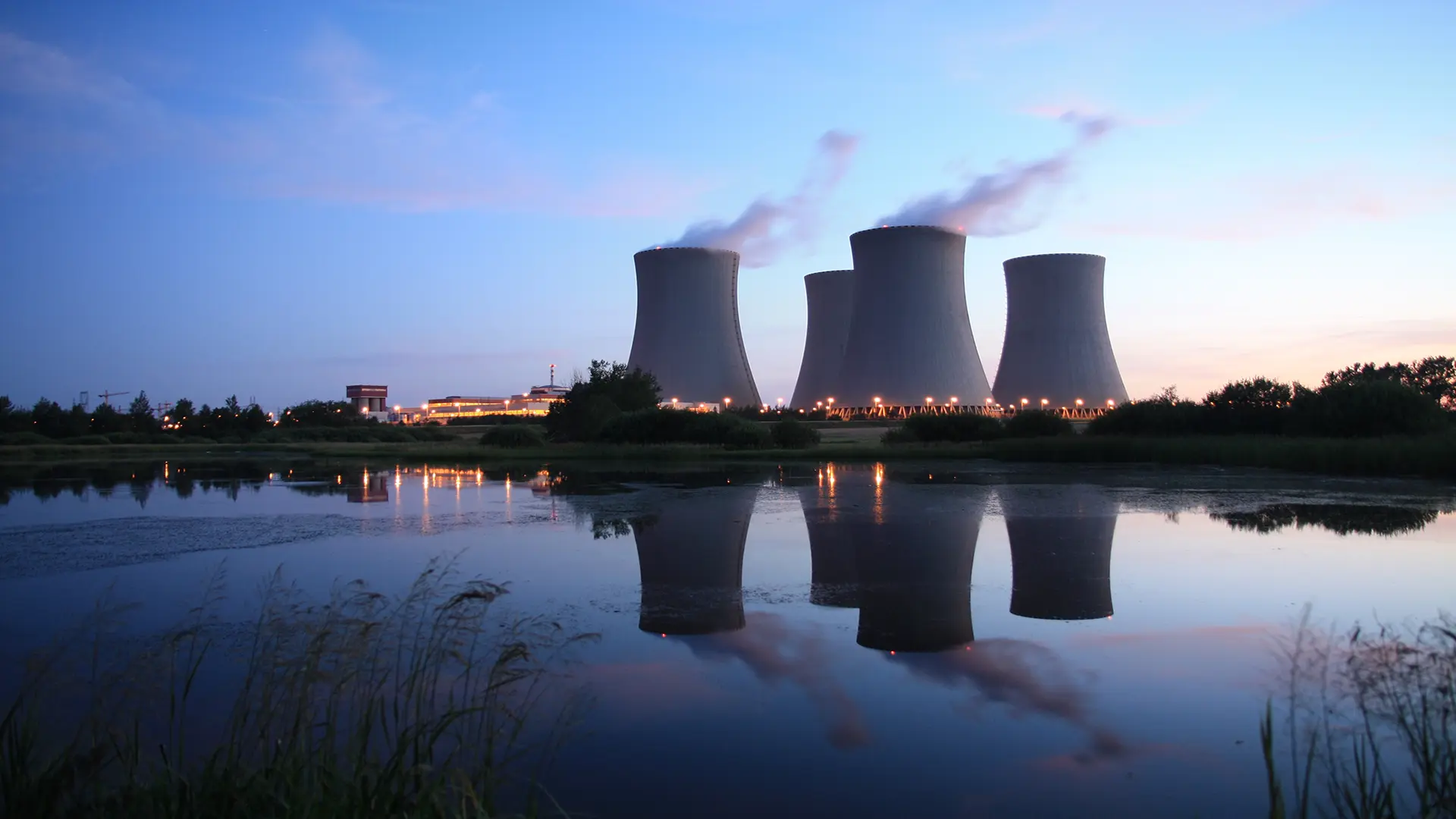
Researched by Industrial Info Resources East Asia (Kofu-shi, Japan)--In September, the temperatures of units 1, 2 and 3 of Fukushima Daiichi nuclear power station all fell below 100 degrees Celsius. The current temperatures of units 2 and 3 are holding below 70 degrees, while Unit 1 has fallen below 40 degrees. Technically, the three damaged units at Fukushima Daiichi have achieved cold shutdown, though not according to the Japanese government. Cold shutdown is one of the main requirements for Tokyo Electric Power Company Incorporated (TYO:9501) (TEPCO) (Tokyo) to move from stage two of the Fukushima roadmap to stage three.
The government will only acknowledge cold shutdown once TEPCO demonstrates that it can maintain indefinite temperature stability at Fukushima Daiichi. Originally, TEPCO placed cold shutdown in January, but Prime Minister Noda announced a couple of months ago that cold shutdown would be achieved by the end of the year.
After stage two of the roadmap is officially completed, TEPCO will begin the removal of spent fuel from units 1 through 4. TEPCO aims for spent fuel removal completion within four years, while the removal of damaged fuel from units 1 through three is expected within 10 years.
Demonstration of maintained stability may be more difficult that anticipated. On Monday, November 28, the spent fuel pool cooling system at Unit 2 shut down after an alarm sounded due to debris in the monitor piping. Since then, the piping had been flushed and the system has been returned to normal. All three damaged units are still using nitrogen injections to inhibit the production of hydrogen, since all three are still using water injection systems.
TEPCO has been working to reduce the salt content in the spent fuel pool of Unit 4 through the use of a new ion exchange unit, which began operations on November 29. A massive amount of salt was introduced into the spent fuel pool following the earthquake and tsunami as salt water was pumped in as an emergency effort to control temperatures. The use of salt water was discontinued after TEPCO discovered that the salt was preventing cooling.
Industrial Info Resources (IIR), with global headquarters in Sugar Land, Texas, and eight offices outside of North America, is the leading provider of global market intelligence specializing in the industrial process, heavy manufacturing and energy markets. Industrial Info's quality-assurance philosophy, the Living Forward Reporting Principle, provides up-to-the-minute intelligence on what's happening now, while constantly keeping track of future opportunities.
/news/article.jsp
false
Want More IIR News Intelligence?
Make us a Preferred Source on Google to see more of us when you search.
Add Us On GoogleAsk Us
Have a question for our staff?
Submit a question and one of our experts will be happy to assist you.

Forecasts & Analytical Solutions
Where global project and asset data meets advanced analytics for smarter market sizing and forecasting.
Explore Our SolutionsRelated Articles

PECWeb Global Market Intelligence Platform
Identify opportunities, anticipate change, and execute with confidence. PECWeb connects the industrial intelligence you need, from projects and assets to operational events, all in one platform.
Discover PecwebIndustry Intel
-
Brazil: Efficiency, Innovation, and Opportunities in the Food & Beverage IndustryPodcast Episode / Jun 12, 2026
-
2026-2027 Investment Radar for Mexico, Central America & the CaribbeanPodcast Episode / May 29, 2026
-
Innovations Shaping the Next Era of Power GenerationPodcast Episode / May 22, 2026
-
The Role of Contract Manufacturing in Global Pharma GrowthPodcast Episode / May 8, 2026
-
2026 North American Labor OutlookPodcast Episode / Apr 24, 2026