Power
Support for Australia's $800 Million Solar Tower Project Blows Hotter
Averaging out various estimates of the capital needed to complete the project produces a figure of around $800 million to put the electricity generation facility into operation.
Released Tuesday, November 19, 2002
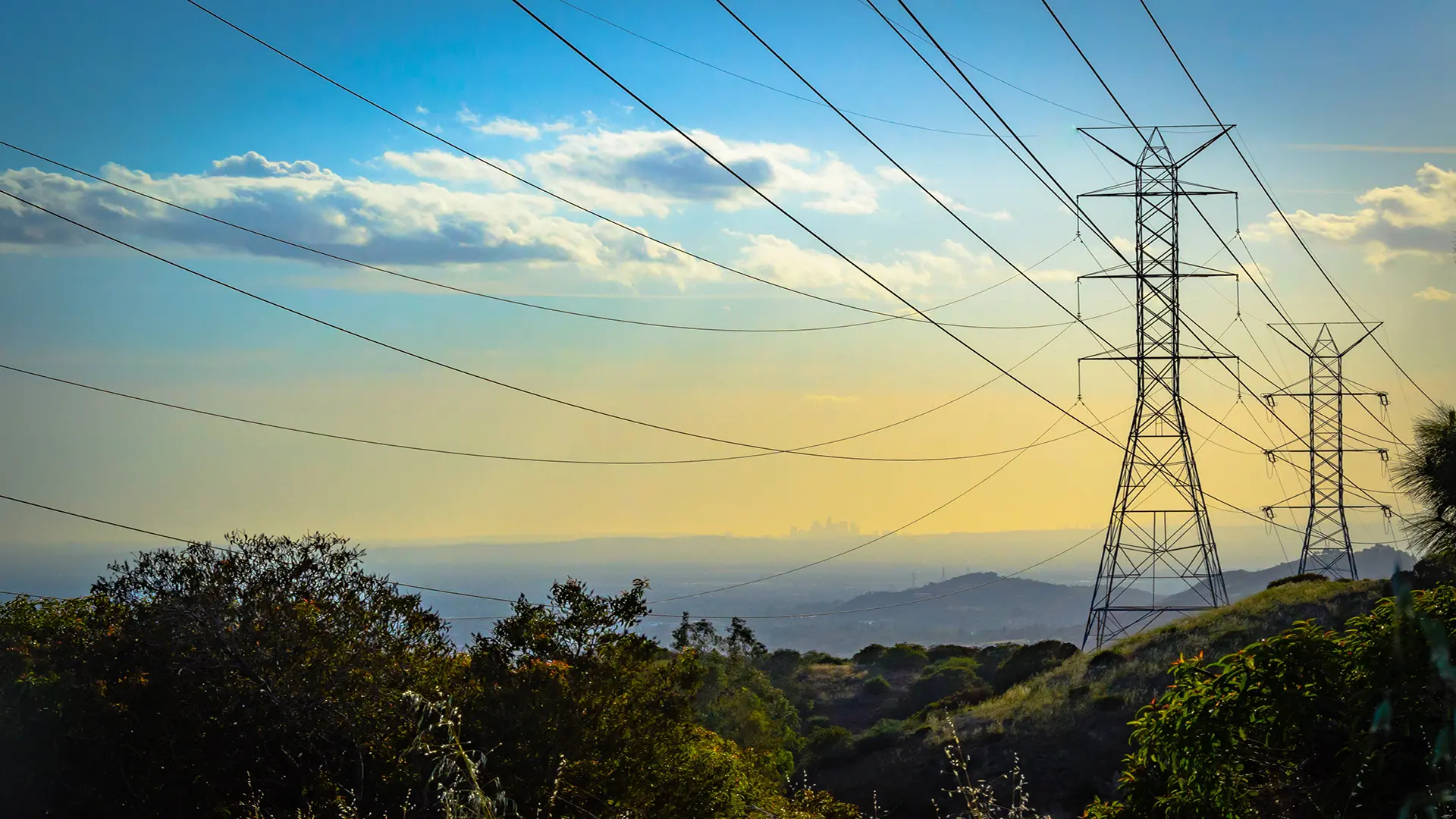
Researched by Industrialinfo.com (Industrial Information Resources Incorporated; Houston, Texas). The plan to build a giant solar turbine tower at Buronga in the Southwest of New South Wales (NSW), Australia, appears to be passing out of the hot air stage into the realms of distinct possibility. Leighton Contractors (AX:LEI) (Perth, Western Australia), a significant player in the Australian and Asian regions, has been enlisted by the Melbourne company EnviroMission to assess the viability of financing and building one of the most ambitious and visible green energy projects to date in the form of the one-kilometer high solar tower. Another positive project indicator is the recent listing of the project by the NSW government as 'state significant'. The project would also give a major boost to the Australian federal government's target of producing 9,500 gigawatt hours of electricity from renewable energy sources by 2010. The government has publicly acknowledged the value they put on the scheme.
Averaging out various estimates of the capital needed to complete the project produces a figure of around $800 million to put the electricity generation facility into operation. The Leighton Contractor's assessment may change or confirm that figure. The project design, based on the fact that hot air rises, includes a 5 kilometer wide glass roofed collector enclosure acting like a giant greenhouse that will preheat the desert air which will then rise in the enclosure and flow towards the base of the 130 meter wide tower. A steady 56 kph updraft will drive 32 wind turbines, which will generate 200 MW of power, enough to supply 200,000 households. The hot air will shoot out of the top of the chimney into the atmosphere, which will be around 20 degrees Celsius cooler.
The technology employed in the tower design was successfully tested over a period of seven years with the financial support of the German and Spanish governments. A 50 kW pilot solar tower power station was built at Manzanares in Southeast Spain and ran from 1982 to 1989, delivering power to the local grid. The solar technology is the brainchild of German structural engineer Professor Joerg Schlaich of the prominent structural engineering firm Schlaich Bergermann (Stuttgart, Germany), who has designed many innovative keynote structures including the Munich Olympic stadium, Ting Kau Bridge in Hong Kong, and the Montreal Olympic stadium.
Australia is a superior location for a solar thermal power station as it has high solar radiation levels. It also offers geological stability and low land costs with many suitable terrains located close to electricity grids. Power from the Buronga plant would be aimed at the peak demand market for top financial returns. The power generated is secure and steady as the tower makes its own wind. This supply security permits clear contractual supply undertakings.
EnviroMission is 38% owned by the US company Energen Global (Westlake Village, California), who hold the rights to the solar technology and has passed the Australian rights to its associate company. Energen Global has plans to build similar solar tower power stations in Arizona, Nevada, Texas, Mexico, and Eastern California. It also holds the rights to develop the technology in Jordan, Vietnam, Pakistan, India, China, and Egypt. If the first plant gets the final go ahead EnviroMission aims to build five of the power stations by 2010.
Local towns in the site area are enthusiastic about the tower which they see producing major downstream economic benefits and rivaling the Snowy River Hydro scheme for visual and social impact. The height of the giant concrete tower would make it the tallest structure in the world, double the height of Malaysia's Petronas Twin Towers.
Buronga appears to have a battle to be the favored site over Mildura, a town 25 kilometers away in the state of Victoria, which is said to be the first choice for EnviroMission. Leighton's study will take six months to complete and regulatory hurdles have to be negotiated, including the possibility of a blocker from native (aborigine) land title claims...although the Australian ancients may just adopt the tower as their own giant, humming and moaning, didgeridoo.
/news/article.jsp
false
Want More IIR News Intelligence?
Make us a Preferred Source on Google to see more of us when you search.
Add Us On GoogleAsk Us
Have a question for our staff?
Submit a question and one of our experts will be happy to assist you.

Forecasts & Analytical Solutions
Where global project and asset data meets advanced analytics for smarter market sizing and forecasting.
Explore Our SolutionsRelated Articles

PECWeb Global Market Intelligence Platform
Identify opportunities, anticipate change, and execute with confidence. PECWeb connects the industrial intelligence you need, from projects and assets to operational events, all in one platform.
Discover PecwebIndustry Intel
-
Brazil: Efficiency, Innovation, and Opportunities in the Food & Beverage IndustryPodcast Episode / Jun 12, 2026
-
2026-2027 Investment Radar for Mexico, Central America & the CaribbeanPodcast Episode / May 29, 2026
-
Innovations Shaping the Next Era of Power GenerationPodcast Episode / May 22, 2026
-
The Role of Contract Manufacturing in Global Pharma GrowthPodcast Episode / May 8, 2026
-
2026 North American Labor OutlookPodcast Episode / Apr 24, 2026