Chemical Processing
ExxonMobil and Qatar Petroleum Sign Agreement to Advance $6 Billion Petrochemical Complex at Ras Laffan
ExxonMobil Chemical Qatar Limited and state-owned Qatar Petroleum have signed an agreement to advance the development of a world-scale petrochemical...
Released Wednesday, January 13, 2010
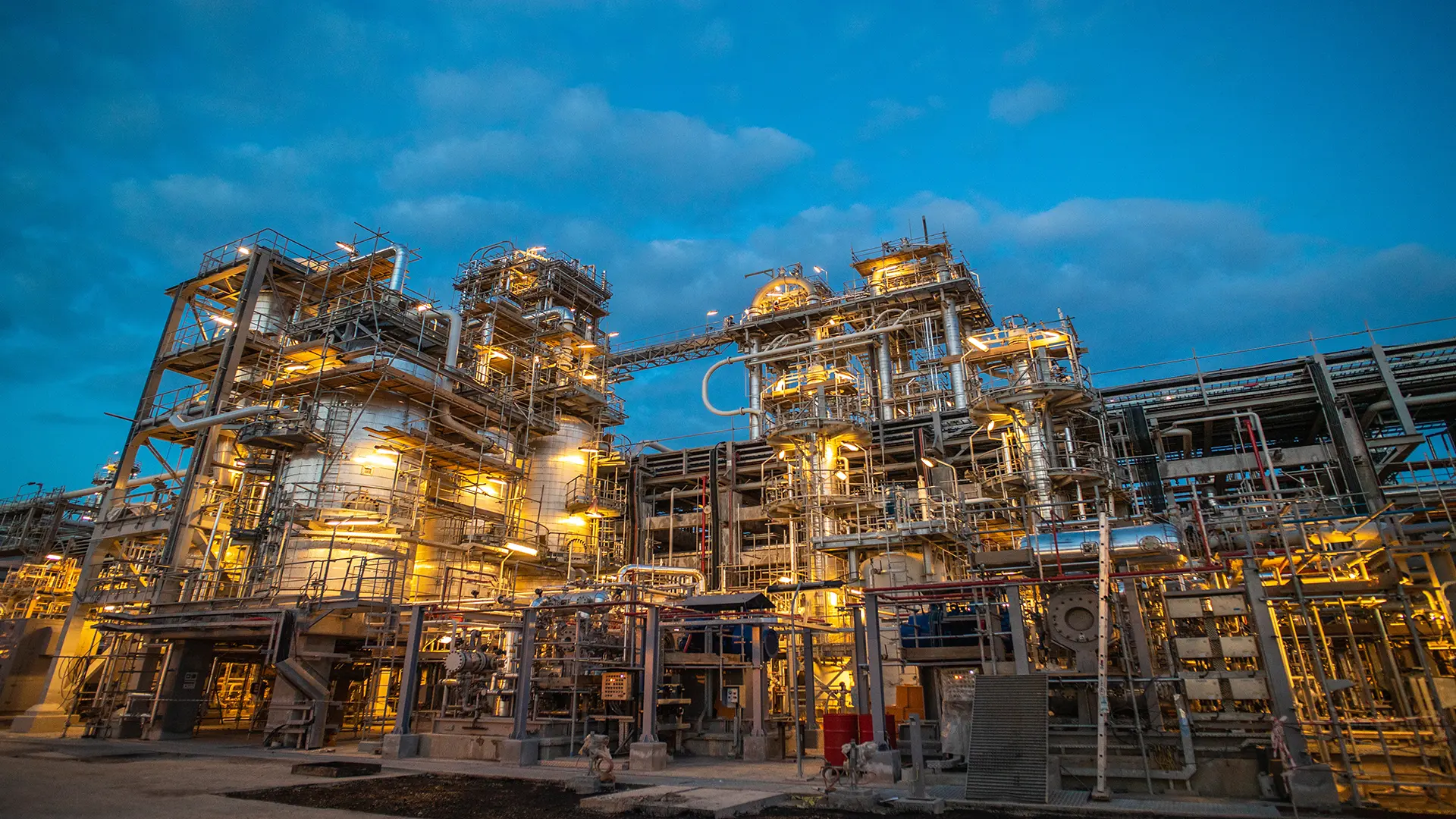
Researched by Industrial Info Resources (Sugar Land, Texas)--ExxonMobil Chemical Qatar Limited, the local subsidiary of Exxon Mobil Corporation (NYSE:XOM) (Irving, Texas), and state-owned Qatar Petroleum (Doha, Qatar) have signed an agreement to advance the development of a world-scale petrochemical complex at the Ras Laffan industrial city in Qatar.
The proposed complex will house the world's largest steam cracker, with a capacity of 1.6 million tons per year, as well as the world's largest polyethylene manufacturing facility, with two gas-phased units of 650,000 tons per year of capacity each. It will include one of the world's largest ethylene glycol plants, with a capacity of 700,000 tons per year.
The two firms first signed a Heads of Agreement in October 2006 to investigate the project. At the time, the project was estimated to cost $3 billion, and commercial startup was slated for 2012. Recent reports quote Abdullah bin Hamad al-Attiyah, Qatar's minister of energy, estimating the cost at $6 billion, although neither of the two firms has confirmed this estimate. The facility is scheduled for commissioning in late 2015. ExxonMobil will hold a 49% stake in the project.
Natural gas feedstock for the facility will be procured from the North Field in Qatar, which is considered to be the world's largest non-associated gas reservoir, with proven reserves in excess of 900 trillion cubic feet. The complex will produce a range of premium products to cater to the rising petrochemical demand worldwide, with specific focus on the burgeoning markets in Asia. According to Stephen Pryor, the president of ExxonMobil Chemical Company, Asia is expected to account for the largest growth in the global petrochemical market, and China would constitute a significant part of this growth. In October last year, Pryor had estimated that the Asia Pacific region would represent more than 50% of the global petrochemical demand by 2015. He also stated that global demand for polyethylene, polypropylene and paraxylene would outpace world economic growth 2% over the next decade.
The processing units will employ ExxonMobil Chemical's proprietary steam cracking and polyethylene processes and product technologies. Steam cracking is a process in which complex organic molecules, such as heavy hydrocarbons or kerogens, are broken down into simpler molecules, such as light hydrocarbons, through the rupture of carbon-carbon bonds in the precursors. The simpler molecules are further used to make products in the chemical and energy sectors. ExxonMobil commercialized its steam-cracking furnace technology in the early 1940s, and claims to be the world's only major olefins producer with proprietary pyrolysis reactor technology. The furnace technology is part of the firm's Selective Cracking Optimum Recovery ethylene process license, which was introduced in 1999 through a global ethylene technology licensing agreement between ExxonMobil Chemical and KBR Incorporated (NYSE:KBR) (Houston, Texas). Greater feedstock flexibility, superior ethylene yield, reduced capital costs, reduced energy consumption, and ease of maintenance are some of the benefits associated with this technology.
The petrochemical project is reportedly the largest energy project announced in Qatar in three years, since Royal Dutch Shell plc (NYSE:RDS.A) (The Hague, Netherlands) made an announcement in July 2006 for its $19 billion Pearl gas-to-liquids (GTL) project, which is slated for completion by the end of this year.
Qatar is the world's largest exporter of liquefied natural gas (LNG) and third-largest in reserves of gas, after Russia and Iran. The country is augmenting its production of petrochemicals to keep pace with the rising output of natural gas and liquid petroleum gas (LPG). Natural gas production in Qatar is expected to rise to 23 billion cubic feet per day by 2014, while annual LPG output is estimated to increase from the present level of 8 million tons to 12 million tons within the next two years. ExxonMobil, which holds stakes in 12 LNG production plants and a condensate refinery in Qatar, aims to augment its production capacity of chemicals in the Middle East and Asia by about 50% in six years.
Industrial Info Resources (IIR) is the leading provider of global market intelligence specializing in the industrial process, heavy manufacturing and energy related markets. For more than 26 years, Industrial Info has provided plant and project opportunity databases, market forecasts, high resolution maps, and daily industry news.
/news/article.jsp
false
Want More IIR News Intelligence?
Make us a Preferred Source on Google to see more of us when you search.
Add Us On GoogleAsk Us
Have a question for our staff?
Submit a question and one of our experts will be happy to assist you.

Forecasts & Analytical Solutions
Where global project and asset data meets advanced analytics for smarter market sizing and forecasting.
Explore Our SolutionsRelated Articles

Industrial Project Opportunity Database and Project Leads
Get access to verified capital and maintenance project leads to power your growth.
Discover Our DatabaseIndustry Intel
-
2026-2027 Investment Radar for Mexico, Central America & the CaribbeanPodcast Episode / May 29, 2026
-
Innovations Shaping the Next Era of Power GenerationPodcast Episode / May 22, 2026
-
The Role of Contract Manufacturing in Global Pharma GrowthPodcast Episode / May 8, 2026
-
2026 North American Labor OutlookPodcast Episode / Apr 24, 2026
-
2026 European Metals & Minerals Project Spending OutlookPodcast Episode / Apr 7, 2026