Production
IEA: How Oil & Gas Operators Can Cut Methane Emissions
Nearly 120 million tonnes of methane emissions were created last year by the production and use of fossil fuels, a level that has remained about the same since 2019
Released Wednesday, March 13, 2024
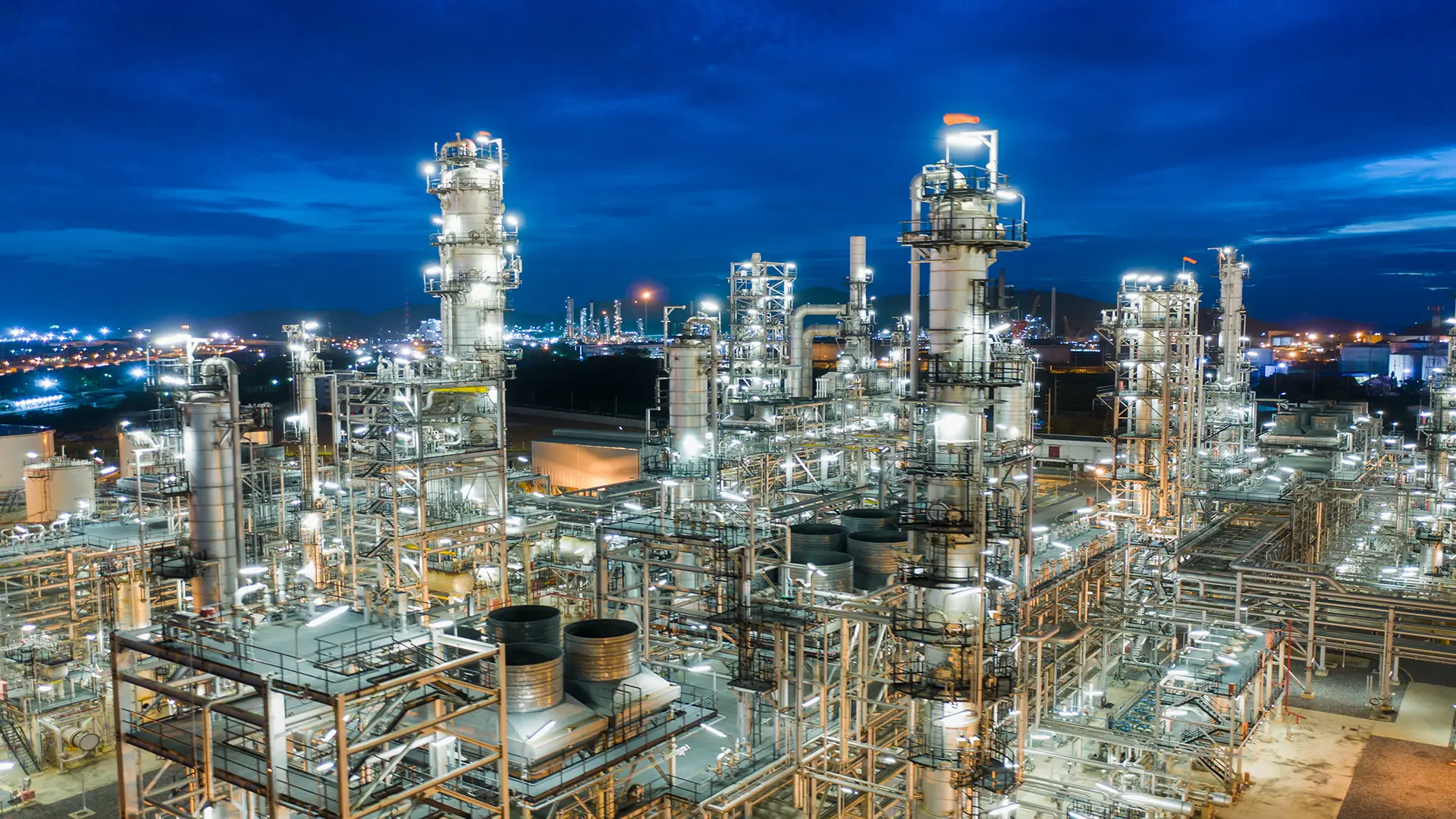
Written by John Egan for Industrial Info Resources (Sugar Land, Texas)--Nearly 120 million tonnes (MT) of methane emissions were created last year by the production and use of fossil fuels, a level that has remained about the same since 2019, according to a new report from the International Energy Agency (IEA) (Paris, France). This level is far too high to meet the goals of the Paris Agreement of 2015, which aimed to lower emissions to keep global temperature gain to about 1.5 decrees Celsius over preindustrial times.
To meet the goals of the Paris Agreement, methane emissions from fossil fuels need to fall 75% by 2030, according to the agency's analysis.
"A 75% cut in methane emissions from fossil fuels by 2030 is imperative to stop the planet from warming to a dangerous level," IEA Executive Director Fatih Birol said in a statement accompanying the report, Global Methane Tracker 2024. "I am encouraged by the momentum we've seen in recent months, which our analysis shows could make an enormous and immediate difference in the world's fight against climate change."
"Now, we must focus on transforming commitments into action--while continuing to aim higher," he continued. "Well-known policies and existing technologies could reduce methane emissions from fossil fuels substantially. The IEA stands ready to help the energy sector meet its goals by deploying these measures, and we will continue to monitor progress--a key part of our wider efforts to ensure countries deliver on the energy promises they made" last December at the 28th annual U.N. global climate summit, known as "Congress of the Parties 28."
The report offered a bit of good news: About 40% of methane emissions can be eliminated at no net incremental costs by 2030 because the value of the fossil fuels that are captured, based on 2023 prices, will exceed the costs to reduce the emissions.
"The required outlays for (methane) abatement measures are less than the market value of the additional methane gas captured and sold or used," the report said. "Methane abatement in the fossil-fuel industry is one of the most pragmatic and lowest-cost options to reduce greenhouse gas emissions. The technologies and measures to prevent emissions are well known and have already been deployed successfully around the world."
Last year, global methane emissions from the production and use of oil totaled about 50 MT, while production and use of natural gas accounted for about 30 MT. The coal industry accounted for about 40 MT in 2023. Methane emissions from coal and gas have essentially doubled since 2000, while emissions from oil have fallen slightly over that time.
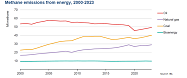 Click on the image at right to see the IEA's long-term global estimate of methane emissions from fossil fuels between 2000 and 2023.
The energy industry is the third-largest contributor of methane emissions, trailing emissions from wetlands and agriculture, according to Global Methane Tracker 2024.
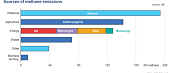 Click on the image at right to see a comparison of the sources of methane emissions.
Methane is a particularly powerful greenhouse gas, with more than 28 times the heat-trapping impact of carbon dioxide (CO2) in the short term, according to the U.S. Environmental Protection Agency (EPA) (Washington, D.C.). Sharply lowering methane emissions in the near term will pay large benefits over a multi-decade period in the fight against global climate change.
The U.S. is the world's largest producer and consumer of oil and natural gas. Therefore, the U.S. also leads the world in methane emissions from the production and use of oil and gas. Following the U.S. in methane emissions from that segment is Russia, Iran, Turkmenistan and Venezuela. Notably, however, methane emissions intensity in the U.S., Russia and Iran are far below that of Turkmenistan and Venezuela.
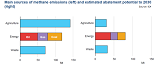 Click on the image at right to see a graphic showing absolute emissions of methane from oil and gas operations and use, as well as a methane emissions intensity estimate.
Methane emissions can be sharply reduced in agriculture, energy and waste by 2030 through a variety of means, the report said. The agency estimates that "around 80 MT of annual methane emissions from fossil fuels can be avoided through the deployment of known and existing (abatement) technologies, often at low--or even negative--cost."
The report detailed how the oil and gas segment could abate 40 MT of methane emissions:
- Just more than 10 MT of methane is avoided by replacing pumps, controllers, compressors and other equipment with low- or zero-emission alternatives, such as instrument air systems and electric pumps.
- Another 10 MT is avoided through regular or continuous leak detection and repair (LiDAR) programs that ensure fugitive leaks are addressed rapidly, and prevent large emissions events by identifying malfunctioning parts or processes before they fail.
- A further 10 MT is avoided using vapor recovery units and related systems, which direct waste flows of methane and vents to productive uses, enabling the end of routine venting and flaring.
- The final 10 MT is avoided through additional processes and measures such as blowdown capture, reduced emissions completion and improved combustion systems.
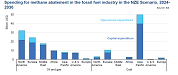 Click on the image at right to see an estimate of capital and operation costs to reduce methane emissions in the oil, gas and coal businesses.
The Global Methane Tracker 2024 report noted that last December's global climate summit, COP 28, produced "a host of new pledges to accelerate action on methane. Importantly, the outcome of the first Global Stocktake called for countries to substantially reduce methane emissions by 2030. Additionally, more than 50 oil and gas companies launched the Oil and Gas Decarbonization Charter (OGDC) to speed up emissions reductions within the industry, new countries joined the Global Methane Pledge, and new finance was mobilized to support the reduction of methane and greenhouse gases (GHGs) other than CO2."
The IEA estimated that if all methane policies and pledges made by countries and companies to date are implemented and achieved in full and on time, methane emissions from fossil fuels would decline about 50% by 2030. However, it noted, in most cases these pledges are not yet backed up by detailed plans, policies and regulations. The detailed methane policies and regulations that currently exist would cut emissions from fossil fuel operations about 20% from 2023 levels by 2030.
Industrial Info Resources (IIR) is the leading provider of industrial market intelligence. Since 1983, IIR has provided comprehensive research, news and analysis on the industrial process, manufacturing and energy related industries. IIR's Global Market Intelligence (GMI) platform helps companies identify and pursue trends across multiple markets with access to real, qualified and validated plant and project opportunities. Across the world, IIR is tracking more than 200,000 current and future projects worth $17.8 trillion (USD).
/news/article.jsp
false
Want More IIR News Intelligence?
Make us a Preferred Source on Google to see more of us when you search.
Add Us On GoogleAsk Us
Have a question for our staff?
Submit a question and one of our experts will be happy to assist you.

Forecasts & Analytical Solutions
Where global project and asset data meets advanced analytics for smarter market sizing and forecasting.
Explore Our SolutionsRelated Articles
-
Canadian Energy Trade Still Tied to U.S. EconomyMay 29, 2026
-
Canada's Ksi Lisims LNG a Slam Dunk, Premier SaysMay 28, 2026

Industrial Project Opportunity Database and Project Leads
Get access to verified capital and maintenance project leads to power your growth.
Discover Our DatabaseIndustry Intel
-
2026-2027 Investment Radar for Mexico, Central America & the CaribbeanPodcast Episode / May 29, 2026
-
Innovations Shaping the Next Era of Power GenerationPodcast Episode / May 22, 2026
-
The Role of Contract Manufacturing in Global Pharma GrowthPodcast Episode / May 8, 2026
-
2026 North American Labor OutlookPodcast Episode / Apr 24, 2026
-
2026 European Metals & Minerals Project Spending OutlookPodcast Episode / Apr 7, 2026