Power
India and Pakistan Agree to Resolve Water Disputes Under the Indus Water Treaty
India and Pakistan have decided to iron out the issues and proceed with the construction of planned hydropower plants. The annual report and action plan for the...
Released Friday, June 04, 2010
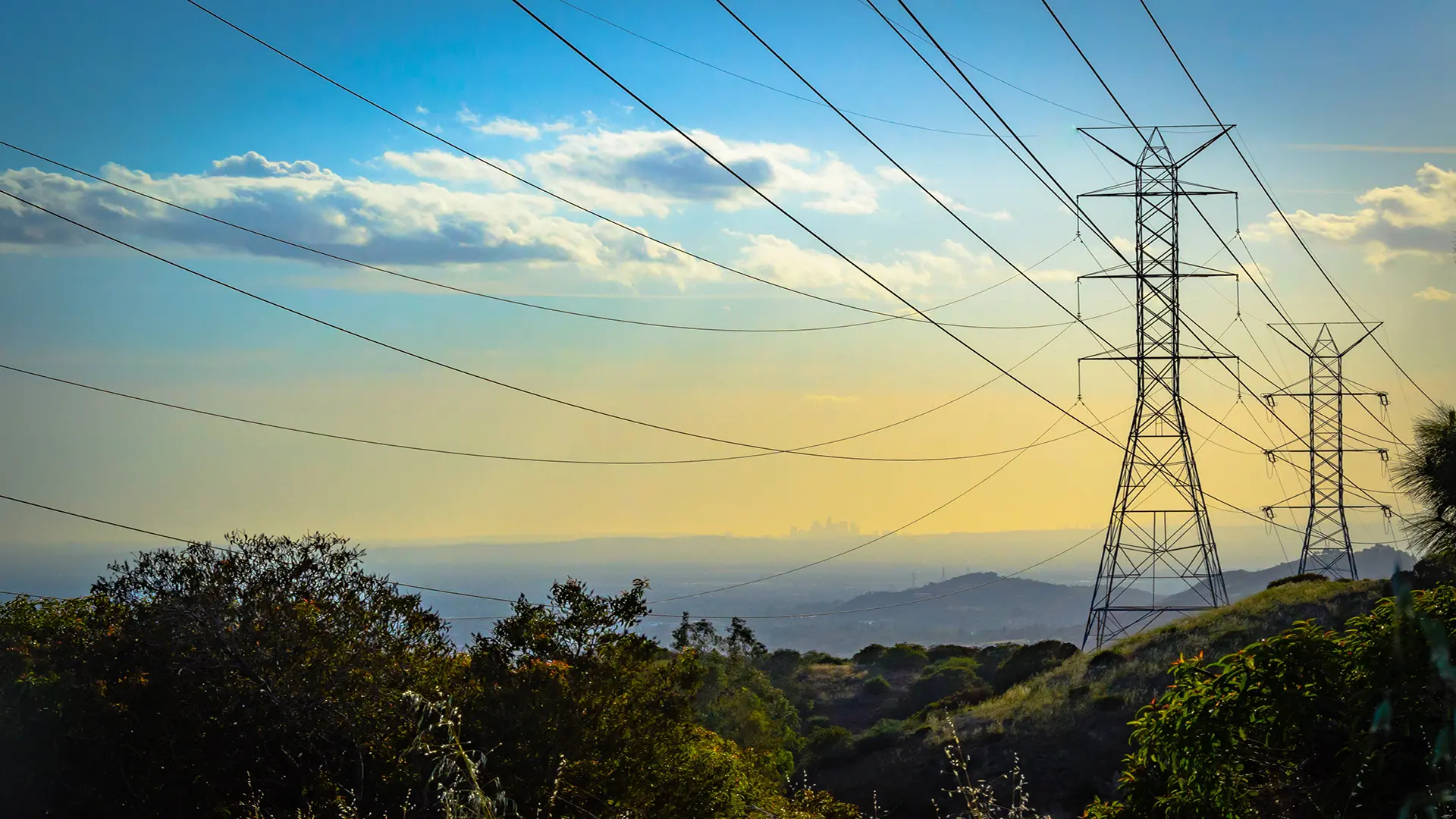
Researched by Industrial Info Resources (Sugar Land, Texas)--Ever since they attained independence in 1947, India and Pakistan have been at odds about the sharing of water resources. Over the last five decades, there have been several disputes and confrontations. At the recently concluded three-day talks, both countries decided to iron out the issues and proceed with the construction of planned hydropower plants. The Indian and Pakistani delegations were led by their respective Indus Water Commissioners, G. Ranganath and Jammat Ali Shah. The annual report and action plan for the next year was discussed and approved.
Pakistan has withdrawn objections to the construction of the 44-megawatt (MW) Chutak and 250-MW Uri-II hydropower plants. The Uri-II and Chutak hydropower plants, which are under construction on the Jhelum and Sur rivers, respectively, will be commissioned by the end of this year. Confirming this decision, Jammat Ali Shah said that there were concerns that the storage or water level could increase if the parapet wall in these projects remained solid. The concern has been addressed, and Pakistan has given its consent to India to proceed with the projects. This move is also seen as Pakistan's gesture to build goodwill and positive political relations.
Both countries discussed other proposed and ongoing hydropower projects. India submitted additional information and technical details related to the Uri-II and Chutak projects. Shah said that India and Pakistan have finalized schedules for the projects and will begin inspection activities by the end of this year. From July 1, 2010, a new system to provide advance flood information in the region will be implemented. Sources have indicated that the projects have been delayed due to lack of information from both sides.
There have been recent spats between India and Pakistan over the construction of the 330-MW Kishenganga dam project. Pakistan has accused India of flouting the terms of the Indus Water Treaty. Pakistan is constructing a 950-MW project on the Neelum Valley with Chinese assistance. Citing environmental and technical concerns, Pakistan said that the Kishenganga project could pose to be a problem. Pakistan also has raised concerns about the viability of such large dam projects in the region and claims that India has violated the terms of the treaty. Reportedly, Pakistan had approached the International Court for Arbitration (Paris, France) to resolve this issue. There also have been disputes related to the parapet wall in the 45-MW Nimoo Bazgo project on the Indus River, in the Leh region. Shah said that a lack of information led to delays in this project. Considering that the issue is similar to the Uri-II and Chutak projects, India has given assurance that it will submit necessary additional information on the Nimoo Bazgo project in the next two weeks.
In 1960, the Indus Water Treaty was signed by Indian and Pakistani prime ministers Jawaharlal Nehru and Mohammed Ayub Khan. The Treaty proposed exclusive rights to the Jhelum, Indus and Chenab rivers to Pakistan, and the Beas, Sutljet and Ravi rivers to India.
During the current talks, both countries discussed issues related to the initial filling of the Baglihar dam project in the Doda district of Jammu and Kashmir. Pakistan had claimed that the necessary initial filling procedure was not being followed. This led to the country's not receiving the stipulated 55,000 cubic feet per second of water from the project. However, India has denied the claim. The project was commissioned in 2008. Earlier, Pakistan sought assistance from the World Bank (Washington, D.C) about this issue, but the World Bank ruled in favor of India.
Pakistan is a predominantly agrarian economy. The Farmer's Advocacy Forum has lodged protests over the water dispute, indicating that if Pakistan does not receive its share of water, it will adversely affect the agricultural output and economy of the nation. Sharat Sabharwal, Indian Ambassador to Pakistan has identified Pakistan's climate change as one of the contributors to the crisis. John Briscoe, former water specialist at the World Bank, has observed that Pakistan's allegations on India about water sharing are baseless.
View Project Report - 89000398 89000668 89000851 89001220 89001516
Industrial Info Resources (IIR) is the leading provider of global market intelligence specializing in the industrial process, heavy manufacturing and energy markets. IIR's quality-assurance philosophy, the Living Forward Reporting Principle, provides up-to-the-minute intelligence on what's happening now, while constantly keeping track of future opportunities.
/news/article.jsp
false
Want More IIR News Intelligence?
Make us a Preferred Source on Google to see more of us when you search.
Add Us On GoogleAsk Us
Have a question for our staff?
Submit a question and one of our experts will be happy to assist you.

Forecasts & Analytical Solutions
Where global project and asset data meets advanced analytics for smarter market sizing and forecasting.
Explore Our Solutions
Industrial Project Opportunity Database and Project Leads
Get access to verified capital and maintenance project leads to power your growth.
Discover Our DatabaseIndustry Intel
-
2026-2027 Investment Radar for Mexico, Central America & the CaribbeanPodcast Episode / May 29, 2026
-
Innovations Shaping the Next Era of Power GenerationPodcast Episode / May 22, 2026
-
The Role of Contract Manufacturing in Global Pharma GrowthPodcast Episode / May 8, 2026
-
2026 North American Labor OutlookPodcast Episode / Apr 24, 2026
-
2026 European Metals & Minerals Project Spending OutlookPodcast Episode / Apr 7, 2026