Power
Japanese Government Releases Estimates of Spent Nuclear Fuel Disposal Options
Depending on Japan's nuclear policy in coming years, the cost to dispose the spent nuclear fuel in the country, including that at Fukushima Daiichi, could be between $86 billion and $146 billion.
Released Friday, April 20, 2012
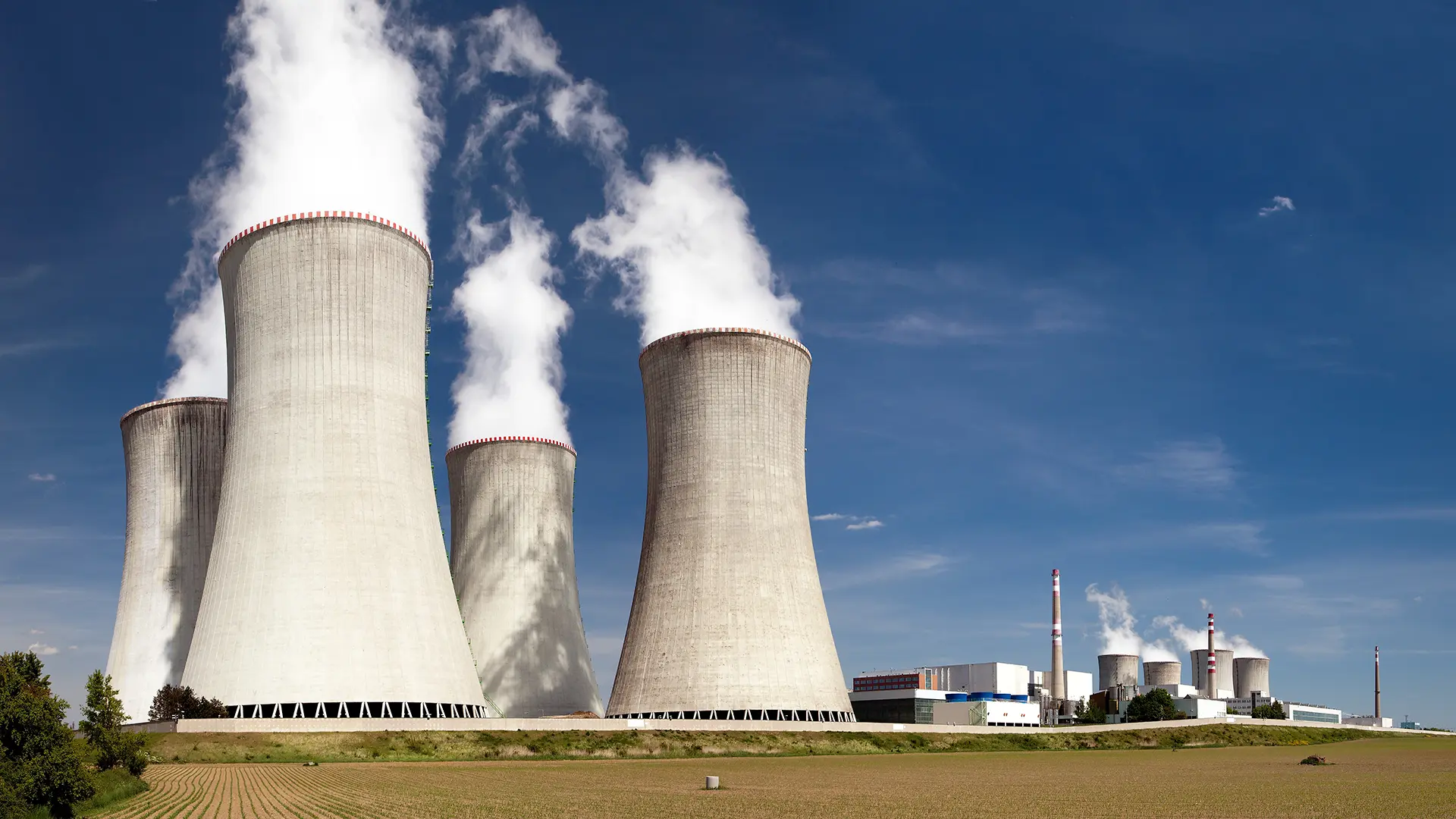
Researched by Industrial Info Resources (Sugar Land, Texas)--Even before the disaster at Fukushima Daiichi nuclear power station, which is owned and operated by Tokyo Electric Power Company Incorporated (TYO:9501) (TEPCO) (Tokyo), disposal of used fuel has been an issue in Japan for years. Depending on Japan's nuclear policy in coming years, the cost to dispose the spent nuclear fuel in the country, including that at Fukushima Daiichi, could be between $86 billion and $146 billion.
When a nuclear reactor is dismantled or its fuel changed out during a maintenance turnaround, its still-radioactive fuel assemblies must be disposed of properly. This disposal process can be very costly, and even once "disposed," the fuel assemblies remain radioactive inside their protective bunkers or dry casks for many years.
When replacing fuel in a nuclear reactor, Japanese standard policy dictates that it be stored in a spent fuel pool, usually onsite, for one year to cool. Then the spent fuel is moved to a dry cask storage facility, where the highly radioactive material is encased in concrete. However, this order of operations does not reflect the reality of nuclear fuel disposal in Japan. The spent fuel pools at many of the country's nuclear reactors are nearing capacity. Before the earthquake on March 11, 2011, Kyushu Electric Power Company Incorporated (TYO:9508) (Fukuoka, Japan) (Kyuden) had plans in place to spend more than $70 million on a re-racking operation at the spent fuel pool at its Genkai nuclear power station in Saga, which is in western Japan.
Re-racking simply is a reorganization of the spent fuel within the pool. Spent fuel rods must be stored with a certain amount of room between each rod to prevent them from reacting with one another and heating up. Theoretically, the spent fuel pools at these nuclear power stations are meant to be temporary storage, with their fuel rods periodically removed and moved to more permanent storage or disposal facilities. However, in just about every nuclear power station in Japan, this is not the case. Spent fuel pools at many reactors are filling up because Japan has little to no permanent storage or disposal facilities.
Prior to the Fukushima disaster, the Japanese government had been promoting the idea of recycling all spent uranium fuel rods into "plu-thermal," or mixed oxide (MOX) fuel, which was hoped to replace the uranium rods in modified reactors. Japan Nuclear Fuel Limited (JNFL) (Rokkasho, Japan) already had begun work on a MOX fuel fabrication plant; however, now its future may be called into question, depending on how the Japanese government decides to proceed with its new nuclear energy policy.
There are currently three options on the table regarding the future of nuclear energy in Japan. The first option is to maintain the current levels of reliance on nuclear power, roughly 35%, through 2030. The second option is to reduce reliance on nuclear power to 20% by 2030, while the third option would eliminate nuclear power usage altogether by 2020. Depending on which option is elected, the necessity of nuclear fuel disposal clearly differs. In options one and two, Japan can recycle all of its fuel as it currently aims to, which is estimated to cost between $143.4 billion and $145.9 billion, or it can dispose of some and recycle others, which would cost roughly $111.6 billion. In option three, if Japan recycles all of its nuclear fuel, there is no need to reuse it, and so it is estimated to cost the least at $85.8 billion to $87 billion. Last fall, it was estimated that direct disposal would be the cheapest method; however, in this new round of estimates, the $61.3 billion cost to dismantle JNFL's Rokkasho MOX fuel fabrication facility also was factored into the equation. None of these estimates take into account the increased cost of fossil fuels needed to replace lost nuclear capacity.
Industrial Info Resources (IIR), with global headquarters in Sugar Land, Texas, and eight offices outside of North America, is the leading provider of global market intelligence specializing in the industrial process, heavy manufacturing and energy markets. Industrial Info's quality-assurance philosophy, the Living Forward Reporting Principle, provides up-to-the-minute intelligence on what's happening now, while constantly keeping track of future opportunities.
/news/article.jsp
false
Want More IIR News Intelligence?
Make us a Preferred Source on Google to see more of us when you search.
Add Us On GoogleAsk Us
Have a question for our staff?
Submit a question and one of our experts will be happy to assist you.

Forecasts & Analytical Solutions
Where global project and asset data meets advanced analytics for smarter market sizing and forecasting.
Explore Our SolutionsRelated Articles

PECWeb Global Market Intelligence Platform
Identify opportunities, anticipate change, and execute with confidence. PECWeb connects the industrial intelligence you need, from projects and assets to operational events, all in one platform.
Discover PecwebIndustry Intel
-
Brazil: Efficiency, Innovation, and Opportunities in the Food & Beverage IndustryPodcast Episode / Jun 12, 2026
-
2026-2027 Investment Radar for Mexico, Central America & the CaribbeanPodcast Episode / May 29, 2026
-
Innovations Shaping the Next Era of Power GenerationPodcast Episode / May 22, 2026
-
The Role of Contract Manufacturing in Global Pharma GrowthPodcast Episode / May 8, 2026
-
2026 North American Labor OutlookPodcast Episode / Apr 24, 2026