Pipelines
Pipeline Conversions Improve U.S. Gulf Coast Access for Liquids
North American pipeline companies are capitalizing on the simpler and less work-intensive nature of pipeline conversions as existing pipe infrastructure is increasingly converted to ship different products
Released Wednesday, February 27, 2013
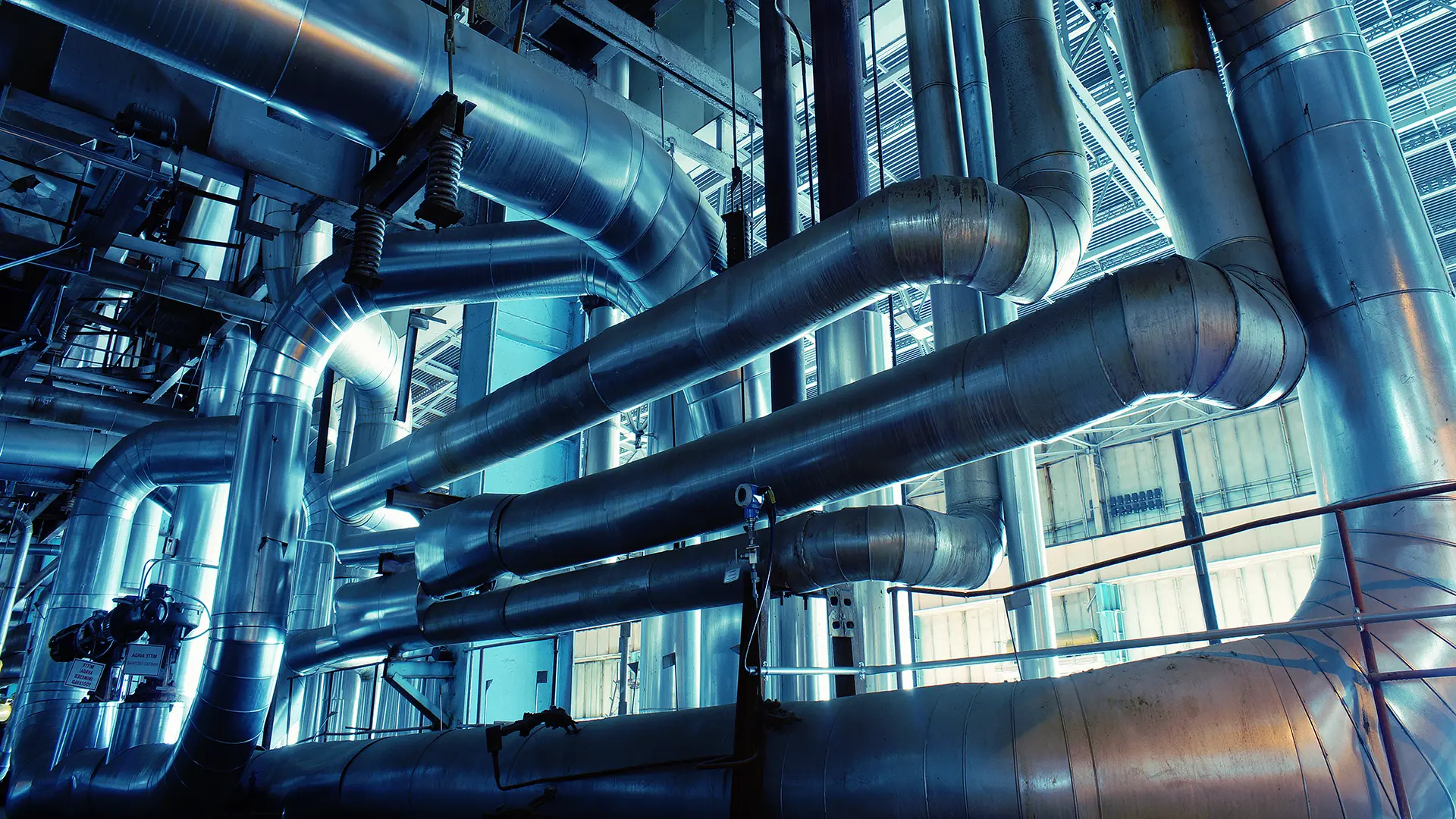
Researched by Industrial Info Resources (Sugar Land, Texas)--Building a transmission pipeline of any size is a considerable undertaking, involving time-consuming regulatory permitting processes, engineering, construction and remediation. By comparison, converting an existing pipeline to ship a different product has a much less complicated regulatory process due to decreased environmental impact and little to no new build construction. North American pipeline companies are capitalizing on this as existing pipe infrastructure is increasingly converted to ship different products, depending on the market conditions of the day. Most notably, today''''s pipeline conversions focus on converting former natural gas pipelines to crude oil, in order to ship that crude to the refining hub of the Gulf Coast.
Two common threads among the major conversion projects taking place are that they provide improved access to crude oil stores that would otherwise be under-accessible and that they have a tendency to avoid the crude oil hub at Cushing, Oklahoma. The latter is a secondary benefit of converting natural gas pipelines, since Cushing has never acted as a hub for natural gas.
The Bakken shale, since its discovery and the beginning of its exploitation, has suffered from a lack of takeaway capacity, keeping its prices low. The Pony Express Conversion project, now owned and operated by Tall Grass Energy Partners L.P. (Overland Park, Kansas) following its acquisition from a subsidiary of Kinder Morgan Incorporated (NYSE:KMI) (Houston), does not avoid Cushing, but is expected to take away 220,000 barrels per day (BBL/d) of crude oil from the Bakken and get it on the line to the Gulf Coast.
Another pipeline that will source northern crude oil is the proposed conversion of portions of the Trunkline Gas pipeline, through the joint efforts of Enbridge Incorporated (NYSE:ENB) (Calgary, Canada) and Energy Transfer Partners (NYSE:ETP) (Dallas, Texas). The proposed conversion would convert more than 700 miles of existing looped gas pipeline to crude oil service, shipping 420,000 to 660,000 BBL/d from Patoka, Illinois. to St. James, Louisiana. The Patoka origination point marks an end point of a portion of Enbridge''''s liquids transportation system that sources its crude in both the Canadian oil sands and the Bakken Shale. This project also has the benefit of bypassing Cushing entirely and bringing crude directly to refiners in Louisiana.
Similarly, NuStar Energy LP (NYSE:NS) (San Antonio, Texas) is looking at reversing and converting an existing Texas-to-Colorado refined products pipeline to ship Niobrara shale crude oil from Colorado to Texas, en route to Gulf Coast refineries. As gasoline consumption falls across the nation, providing takeaway capacity from the isolated Niobrara shale becomes more important than supplying refined products to the Colorado region.
The conversion of the Seaway Products Pipeline to the Southern Hills Natural Gas Liquids (NGL) Pipeline being undertaken by DCP Midstream, a 50:50 joint venture between Phillips 66 (NYSE:PSX) (Bartlesville, Oklahoma) and Spectra Energy Corporation (NYSE:SE) (Houston), is an exception to the rule in that it is not converting to ship crude, but NGLs. The Southern Hills pipeline will carry NGLs from producers in northern Oklahoma to Texas City, Texas.
Another exception to the trend of conversions is the El Paso Natural Gas (EPNG) Line 2000 conversion to crude project. While this project is shipping crude oil instead of natural gas, it is shipping it away from the Gulf Coast. Line 2000 originally was a crude oil pipeline before its acquisition by El Paso Natural Gas, now a part of Kinder Morgan; after its conversion, it will carry crude oil from the Permian Basin in west Texas to refiners in California, where the price of crude oil is much higher than WTI. Like the Trunkline, the EPNG system is looped in multiple places and will continue to fulfill its natural gas supply contracts, while converting a portion of its capacity to the more lucrative crude oil transmission.
Industrial Info Resources (IIR), with global headquarters in Sugar Land, Texas, and eight offices outside of North America, is the leading provider of global market intelligence specializing in the industrial process, heavy manufacturing and energy markets. Industrial Info''''s quality-assurance philosophy, the Living Forward Reporting Principle, provides up-to-the-minute intelligence on what''''s happening now, while constantly keeping track of future opportunities.
/news/article.jsp
false
Want More IIR News Intelligence?
Make us a Preferred Source on Google to see more of us when you search.
Add Us On GoogleAsk Us
Have a question for our staff?
Submit a question and one of our experts will be happy to assist you.

Forecasts & Analytical Solutions
Where global project and asset data meets advanced analytics for smarter market sizing and forecasting.
Explore Our SolutionsRelated Articles
-
An Independent Canada Struggles with Energy-Fueled InflationOctober 21, 2026
-
ExxonMobil Boosts Guyana's Offshore Oil & Gas HopesOctober 21, 2026
-
How an Independent Alberta Could Impact Canadian EnergyOctober 19, 2026
-
Texas Plant to Extract Lithium from Oil WastewaterOctober 19, 2026

PECWeb Global Market Intelligence Platform
Identify opportunities, anticipate change, and execute with confidence. PECWeb connects the industrial intelligence you need, from projects and assets to operational events, all in one platform.
Discover PecwebIndustry Intel
-
Brazil Critical Minerals 2027: Rare Earths, Lithium, CopperPodcast Episode / Oct 16, 2026
-
US Craft Labor Outlook 2026: Wages, Per Diems, Data CentersPodcast Episode / Oct 16, 2026
-
Latin America Data Center Outlook 2026: Power, Hubs & GrowthPodcast Episode / Oct 9, 2026
-
Food and Beverage CapEx Outlook 2026: Tariffs, AI, AfricaPodcast Episode / Oct 9, 2026
-
North America Refining 2026: New Pipelines to PADD 5Podcast Episode / Oct 2, 2026