Production
BP 2008 Energy Review Finds Oil Production Problems Are Political, Not Geological
While introducing the 2008 edition of the BP Statistical Review of World Energy, BP's (NYSE:BP) (London) CEO Tony Hayward, said ...
Released Thursday, June 12, 2008
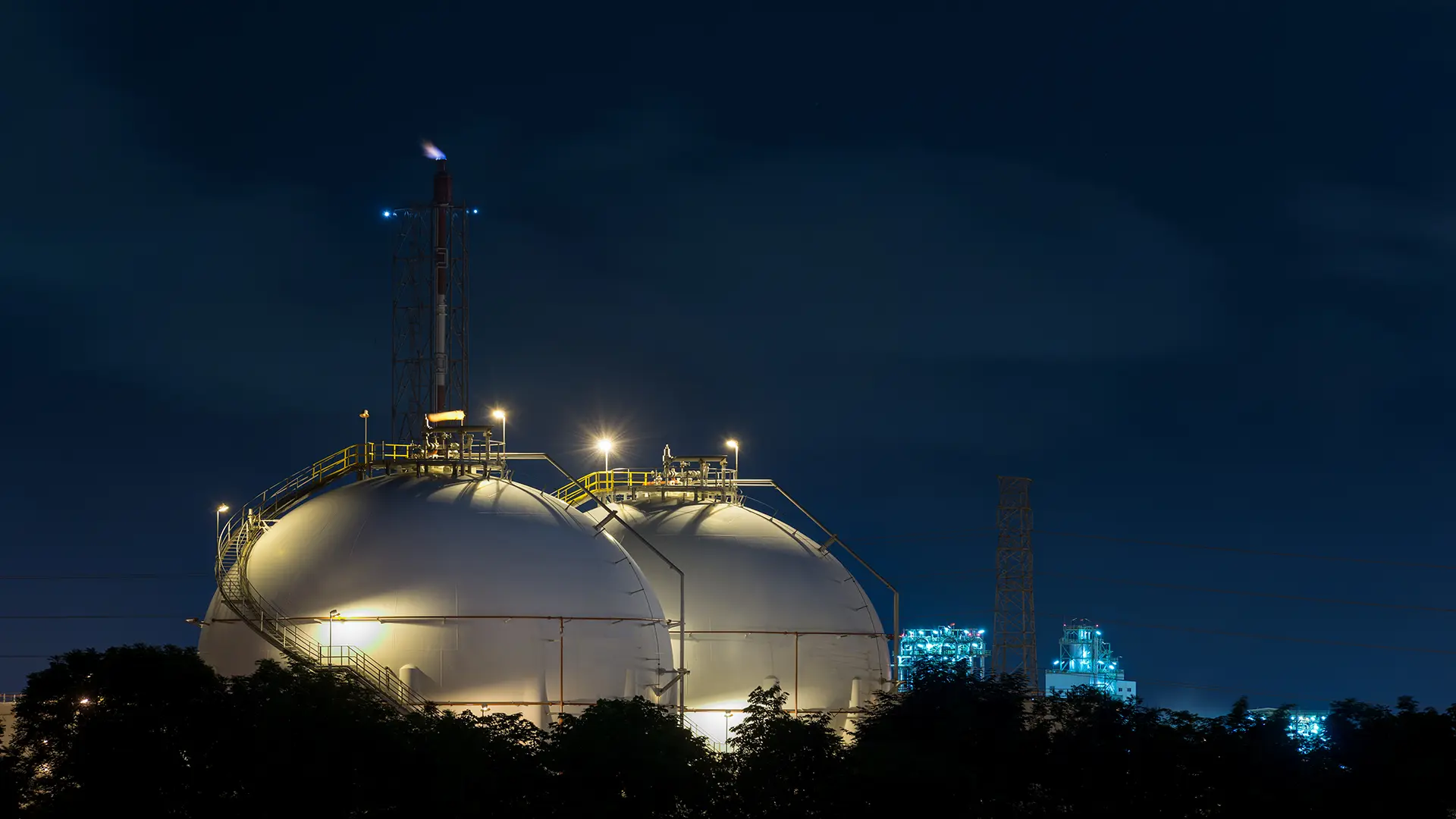
Researched by Industrial Info Resources (Sugar Land, Texas)--While introducing the 2008 edition of the BP Statistical Review of World Energy, BP's (NYSE:BP) (London) CEO Tony Hayward, said, "Interestingly, oil consumption growth is now concentrated in countries that subsidize consumer prices, primarily oil-exporting nations and rapidly growing non-OECD economies such as China and India." He said that high and volatile prices, reflecting a tight balance of supply and demand, have put issues such as energy security and alternative energies at the forefront of the political agenda worldwide.
The review reports that although growth in primary energy consumption slowed in 2007 compared to 2006, at 2.4%, it was still above the 10-year average for the fifth consecutive year. The oil price has been on an upward path for more than six years, which according to BP data series going back to 1861, is the longest period of rising prices on record.
Christof Ruhl, BP's chief economist, said that the Statistical Review showed that markets do work and that consumers and producers respond to changes in energy prices when given the opportunity to do so. However, he said, in many places policies that interfere with market mechanisms and access to economically rational upstream reserves create difficulties. Ruhl said that in a number of countries consumers are shielded from price increases through subsidies.
Global oil consumption grew 1.1% in 2007, or 1.1 million barrels per day (BBL/d), slightly below the 10-year average. Consumption in the oil-exporting regions of the Middle East, South and Central America and Africa accounted for two-thirds of the world's growth. The Asia-Pacific region grew 2.3%, showing strong growth in a number of emerging economies, although growth in China and Japan was below average. Consumption by members of the Organisation for Economic Co-operation and Development (OECD) fell 0.9%, or nearly 400,000 BBL/d.
Global oil production fell 0.2% (130,000 BBL/d), the first decline since 2002. Production by the Organization of Petroleum Exporting Countries (OPEC) dropped 350,000 BBL/d, reflecting the impact of production cuts between November 2006 and February 2007. Increased output in Angola and Iraq, and a growing supply of condensates and natural gas liquids partially offset larger cuts in other OPEC countries. Production outside OPEC remained weak, rising by just more than 200,000 barrels, but in the former Soviet Union, output rose nearly 500,000 BBL/d, with the output of Azerbaijan and Russia growing more than 200,000 BBL/d.
The review states that oil reserves were essentially flat in 2007 at 1.24 trillion barrels and are sufficient to meet current production levels for more than 41 years. The 2006 world reserve's total was revised upward by 31 billion barrels upon receipt of more complete information.
The U.S. accounted for nearly half of the world's gas consumption growth, driven by cold winter weather and a strong demand for gas used for power generation. Chinese consumption grew 19.9% ,while consumption in the European Union declined 1.6%, the second consecutive decline in the face of warm winter weather. Overall, world consumption grew 3.1%.
As the world's gas production rose 2.4%, the U.S. led with a rate of 4.3%, the strongest since 1984. Gas production in the European Union fell 6.4% with the United Kingdom's output down 9.5%, the world's largest volumetric decline for a second year. Countries of the former Soviet Union showed an overall strong growth in gas production, although Russia showed a slight decline. China and Qatar followed the U.S. in the production stakes.
U.S. liquefied natural gas receipts rose by one-third as a large price premium to European spot markets resulted in the diversion of cargo to the U.S. Global liquefied natural gas shipments rose 7.3%, supported by continued growth in shipments from Qatar and Nigeria.
For the fourth consecutive year, coal was the fastest growing fuel in the world with global consumption rising 4.5%. All regions, except the Middle East, exceeded their 10-year average consumption. China experienced the weakest growth since 2002 at 7.9%, but still represented more than two-thirds of global growth. Indian consumption rose 6.6%, and OECD consumption grew 1.3%, both above average.
Nuclear power showed the steepest decline on record, falling 2%. More than 90% of the decline was accounted for by Germany and Japan. The latter closed the world's largest plant following an earthquake.
Hydropower increased 1.7%, slightly below the 10-year average. Increased capacity in China and Brazil was partially offset by drought-related declines in the U.S. and Southern Europe.
Although representing a small share of total global energy use, most renewable energy sources experienced rapid growth in 2007. Ethanol output rose 27.8%. Wind and solar energy generation capacity grew broadly, in line with historical averages of 28.5% and 37% respectively.
Hayward said that declining oil production in the OECD highlighted the fact that, while resources are not constant globally, the resources within reach of private investment by companies like BP are limited. "Political factors, barriers to entry and high taxes all play a role here," he said. "In other words, when it comes to producing more oil, the problems are above ground, not below it. They are not geological but political."
Industrial Info Resources (IIR) is a marketing information service specializing in industrial process, energy and financial related markets with products and services ranging from industry news, analytics, forecasting, plant and project databases, as well as multimedia services.
/news/article.jsp
false
Want More IIR News Intelligence?
Make us a Preferred Source on Google to see more of us when you search.
Add Us On GoogleAsk Us
Have a question for our staff?
Submit a question and one of our experts will be happy to assist you.

Forecasts & Analytical Solutions
Where global project and asset data meets advanced analytics for smarter market sizing and forecasting.
Explore Our SolutionsRelated Articles
-
Trump Announces U.S. Peace Deal with IranJune 15, 2026
-
From North to South, U.S. LNG Gaining TractionJune 15, 2026
-
Woodfibre LNG Next in Line for CanadaJune 12, 2026
-
Canada's Ksi Lisims LNG Secures Indigenous SupportJune 11, 2026

Industrial Project Opportunity Database and Project Leads
Get access to verified capital and maintenance project leads to power your growth.
Discover Our DatabaseIndustry Intel
-
Brazil: Efficiency, Innovation, and Opportunities in the Food & Beverage IndustryPodcast Episode / Jun 12, 2026
-
2026-2027 Investment Radar for Mexico, Central America & the CaribbeanPodcast Episode / May 29, 2026
-
Innovations Shaping the Next Era of Power GenerationPodcast Episode / May 22, 2026
-
The Role of Contract Manufacturing in Global Pharma GrowthPodcast Episode / May 8, 2026
-
2026 North American Labor OutlookPodcast Episode / Apr 24, 2026