Petroleum Refining
Iran's Iconic Abadan Refinery Signs $3.4 Billion Deal to Revamp Capacity
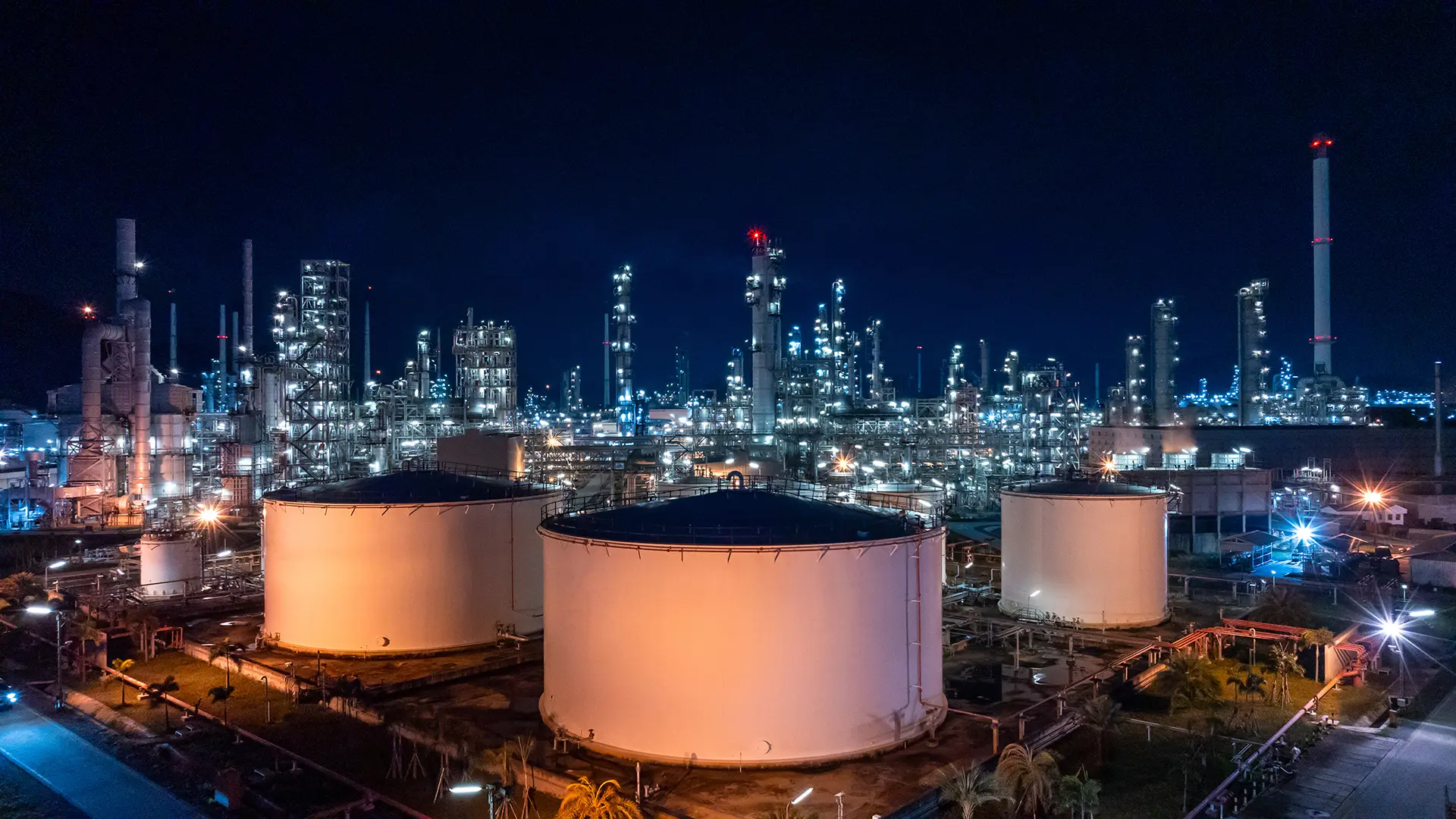
Iran's Abadan refinery is building production back to a target of 450,000 barrels per day. Iran's oil ministry has signed a $3.4 billion deal with a consortium of foreign companies to upgrade
Released Friday, April 12, 2013
Reports related to this article:
Project(s): View 3 related projects in PECWeb
Plant(s): View 2 related plants in PECWeb
Written by Richard Finlayson, Senior International Editor for Industrial Info Resources (Sugar Land, Texas)--Iran's Abadan refinery is building production back to a target of 450,000 barrels per day (BBL/d). Iran's oil ministry has signed a $3.4 billion deal with a consortium of foreign companies to upgrade and rehabilitate the refinery.
The consortium's contract requires it to implement the second phase of the refinery's development plan, which aims to increase daily gasoline output by about 38,000 BBL/d to a total of 132,000 BBL/d. Deputy Oil Minister Alireza Zeighami said that all the old plant elements will be replaced with modern facilities to boost production capacity.
Additions to the refinery's production capacity will be 97,000 barrels of diesel fuel, 45,000 barrels of furnace oil, 24,500 barrels of jet fuel, and 9,500 barrels of liquefied gas.
Zeighami is reported as saying that Iran is currently producing 157,000 barrels of premium gasoline per day and meeting Euro-4 and Euro-5 standards. He added that the country's gasoline output is projected to reach 440,250 BBL/d by March 2015. In the short term, Iran will boost bits gasoline production capacity by 63,000 BBL/d.
Official government sources say that gasoline imports have fallen significantly over the last four years, as rising refinery capacity and lower fuel subsidies have helped neutralize Western sanctions.
The Abadan refinery, located in southwestern Iran, has an iconic profile in the refining industry and in the broader global geopolitical nexus of power and oil. Since it started operations in 1912, Abadan often has been called the largest refinery in the world. Starting with an output of 2,500 BBL/d, it increased to 5,000 BBL/d in 1951 before peaking as the world's largest refinery at 630,000 BBL/d in 1980, before the Iran-Iraq War drained it of production and employees.
Industrial Info Resources (IIR), with global headquarters in Sugar Land, Texas, and eight offices outside of North America, is the leading provider of global market intelligence specializing in the industrial process, heavy manufacturing and energy markets. Industrial Info's quality-assurance philosophy, the Living Forward Reporting Principle, provides up-to-the-minute intelligence on what's happening now, while constantly keeping track of future opportunities.
/news/article.jsp
false
Want More IIR News Intelligence?
Make us a Preferred Source on Google to see more of us when you search.
Add Us On GoogleAsk Us
Have a question for our staff?
Submit a question and one of our experts will be happy to assist you.

Forecasts & Analytical Solutions
Where global project and asset data meets advanced analytics for smarter market sizing and forecasting.
Explore Our SolutionsRelated Articles
-
Iran to Increase Refining Capacity This YearFebruary 24, 2023
-
Middle East's Refiners Plan Substantial Additions Up to 2027November 10, 2022
-
Today's Refining Hotline HeadlinesMay 02, 2022
-
Iran's AORC Nears Completion of $2.5 Billion Upgrade of Abad...February 02, 2022

Industrial Project Opportunity Database and Project Leads
Get access to verified capital and maintenance project leads to power your growth.
Discover Our DatabaseIndustry Intel
-
Brazil: Efficiency, Innovation, and Opportunities in the Food & Beverage IndustryPodcast Episode / Jun 12, 2026
-
2026-2027 Investment Radar for Mexico, Central America & the CaribbeanPodcast Episode / May 29, 2026
-
Innovations Shaping the Next Era of Power GenerationPodcast Episode / May 22, 2026
-
The Role of Contract Manufacturing in Global Pharma GrowthPodcast Episode / May 8, 2026
-
2026 North American Labor OutlookPodcast Episode / Apr 24, 2026