Power
Are the Administration's Steps Toward Solar Generation the Correct Ones?
The Biden administration's push to promote solar energy raises questions
Released Tuesday, July 05, 2022
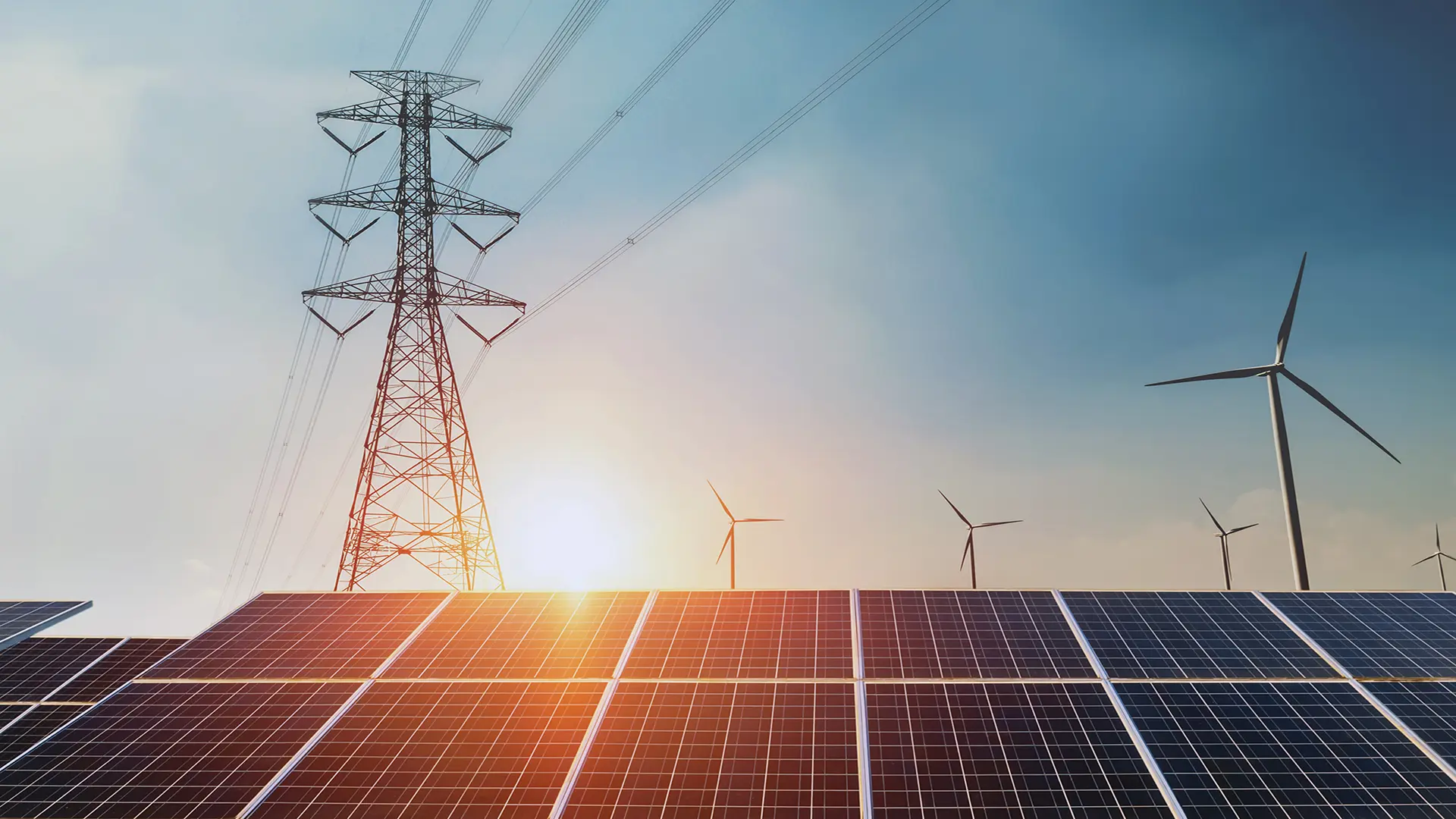
Researched by Industrial Info Resources (Sugar Land, Texas)--Last month, the Biden administration invoked a segment of the Tariff Act of 1930 to declare an emergency regarding the availability of electricity generation to meet customer demand. In this case, the declaration addressed the lack of panels available for the solar photovoltaic (PV) sector. The implementation of this act allows a 24-month break on tariffs for panels being imported from Malaysia, Thailand, Vietnam and Cambodia.
The Biden administration also is taking steps to increase domestic production of critical items in the renewable energy sector. One step is the use of the Defense Production Act (DPA), which pushes federal purchasing agencies to target domestic products when looking for contracts involving the energy sector. For related information, see June 9, 2022, article - U.S. Invokes Korean War-Era Law to Boost Clean Energy.
The utilization of the DPA could fuel development in the domestic renewable sector. But with no real guidelines or transparency on how the DPA is to be used, this could be another avenue for the Biden administration to spend even more money to move the U.S. toward net-zero carbon emissions.
In theory, this is a significant step, as renewable-energy spending is a big focal point in the economy. But is another spending spree on renewable energy the right move?
The idea of pumping money into this part of the industrial sector to strengthen its foothold in the marketplace is great. But letting foreign products into the country and pumping money into domestic production and innovation at the same time is more questionable.
The administration is playing catch-up on chasing bad actors in Malaysia, Thailand, Vietnam and Cambodia, who have been sidestepping the tariffs put on Chinese products in the first place. An investigation from the Department of Commerce commenced earlier this year, after it came to light that Chinese products were being sent to these countries in order to side-step the Trump administration's tariffs that were placed on Chinese goods. It is suspected this has been going on for quite some time.
Using the Tariff Act of 1930 and the Defense Production Act are both seen as positive moves when it comes to furthering the development of solar power generation in the U.S. And with many projects being delayed due to panel supply issues, these announcements are music to the ears to many of those in the U.S. solar energy sector.
But will these moves provide an immediate fix? Demand versus supply of inverters, converters, steel and other components in these solar projects is still a major factor. And the demand for solar panels themselves has caused the price-per-megawatt of PV facility construction to rise to pre-2020 levels.
According to Industrial Info, the U.S. solar sector will see more than $77 billion in spending over the next 18 months. But with current supply-chain issues, as well as permitting and interconnection approvals, some of these projects likely will be delayed. Subscribers to Industrial Info's Global Market Intelligence (GMI) Power Project Database can click here for a list of detailed project reports.

Industrial Info Resources (IIR) is the world's leading provider of market intelligence across the upstream, midstream and downstream energy markets and all other major industrial markets. IIR's Global Market Intelligence Platform (GMI) supports our end-users across their core businesses, and helps them connect trends across multiple markets with access to real, qualified and validated project opportunities. Follow IIR on: LinkedIn.
/news/article.jsp
false
Want More IIR News Intelligence?
Make us a Preferred Source on Google to see more of us when you search.
Add Us On GoogleAsk Us
Have a question for our staff?
Submit a question and one of our experts will be happy to assist you.

Forecasts & Analytical Solutions
Where global project and asset data meets advanced analytics for smarter market sizing and forecasting.
Explore Our SolutionsRelated Articles
-
Fervo Starts Up 33-MW Utah Geothermal Power Plant UnitOctober 13, 2026
-
Ecuador to Cut Taxes on Imported Power Generation, Storage E...October 13, 2026
-
Italy Opens Way for Return to Nuclear PowerOctober 13, 2026
-
Ecuador reducirá impuestos de importación para equipos de ge...October 13, 2026

PECWeb Global Market Intelligence Platform
Identify opportunities, anticipate change, and execute with confidence. PECWeb connects the industrial intelligence you need, from projects and assets to operational events, all in one platform.
Discover PecwebIndustry Intel
-
Latin America Data Center Outlook 2026: Power, Hubs & GrowthPodcast Episode / Oct 9, 2026
-
Food and Beverage CapEx Outlook 2026: Tariffs, AI, AfricaPodcast Episode / Oct 9, 2026
-
North America Refining 2026: New Pipelines to PADD 5Podcast Episode / Oct 2, 2026
-
Biomanufacturing Onshoring 2026: GLP-1, CDMO and ReshoringPodcast Episode / Oct 2, 2026
-
2026 US Data Center Outlook: Power, Land & CoolingPodcast Episode / Sep 18, 2026