Power
Geothermal Energy Offers Some Large-Scale Benefits
CeraPhi Energy sees a big future for geothermal power
Released Tuesday, August 30, 2022
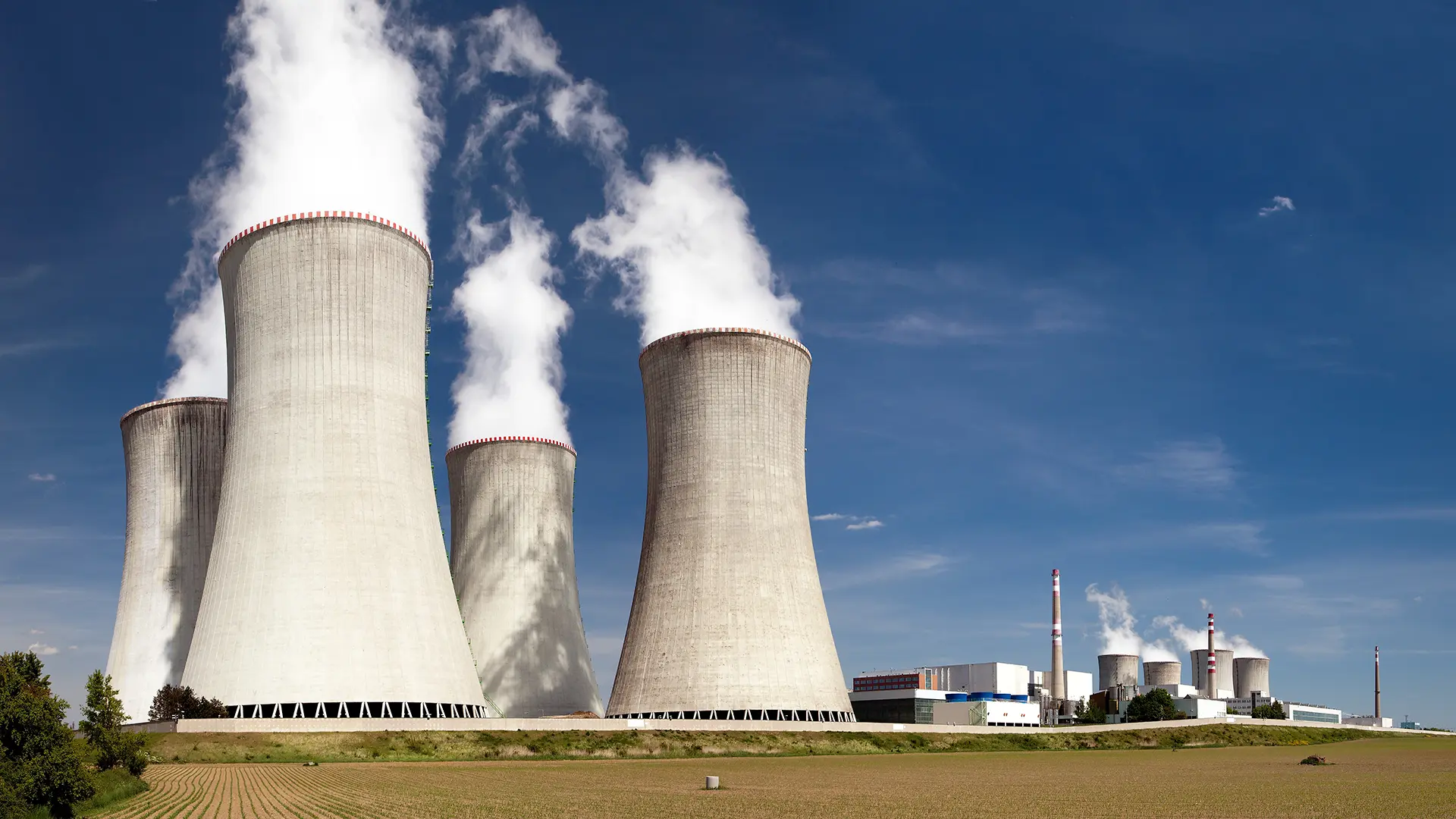
Written by Paul Wiseman for Industrial Info Resources (Sugar Land, Texas)--Geothermal energy is sort of the ignored middle child in renewable energy. Its stated advantages are many: it is baseline (it's always hot deep underground, making it even more reliable than coal, natural gas, hydroelectric, etc.), it does not take up miles of cropland as do wind and solar--in fact requiring only a few dozens of square feet--it uses no rare earths and it emits nothing at all.
Its historical problem has centered on harvesting methods and expectations, says Andy Wood, subsurface manager for geothermal firm CeraPhi Energy (Great Yarmouth, England). He blames open-loop systems, which pump surface water into one deep well, with the goal of retrieving that water from a nearby well after it has been heated by its contact with hot downhole formations. In most cases, says Wood, this system has been inefficient, and many times the wells don't "communicate,"--meaning fluid doesn't flow from one well to another as intended--so injected water is simply lost forever somewhere in the formation.
Using a closed-loop, one-well system eliminates that issue because the cool fluid is pumped into the well, then after being heated by the formation, it returns through a second pipe inserted into the same well--no communication between wells is needed. Topside, there are several options depending on the end-use for the heat, but the basic scenario is that the downhole fluid delivers heat to the wellhead, where a heat exchange system transfers the heat to a separate circulating system for district heating.
Geothermal's history of use extends to ancient times in earth-heated steam baths and pools. Its first use for generating electricity dates back to 1904 in Tuscany, Italy, Wood said.
CeraPhi estimates that geothermal heat has the capacity to supply 7% of worldwide energy needs in coming years. The company itself hopes to enable more than 500 gigawatts of additional geothermal energy by 2050. Most of that energy will not be in generating electricity, but rather in replacing the need for it in certain uses.
The prime example is in district heating, in which a heated fluid retrieved from a well is circulated through a district, or neighborhood and piped into buildings for heat. As might be imagined, this use is most popular in colder climes, such as the upper Mideast in the U.S., along with New England and western mountain states like Colorado, which already are prime users, Wood said. In the summer, the process can be reversed for air conditioning.
Direct industrial use in processes requiring heat is another common option, as is agriculture. The heated fluid also can heat greenhouses, a use that would combine carbon capture with a reliable food source. In California, geothermal energy is heating greenhouses growing cannabis and roses, he said.
But can geothermal energy be used at all for the electric grid? Yes, Wood says, but that option requires much hotter wells. "There are wells in Texas, for example, that are vertically deep, with temperatures at the TD (total depth) of those wells that are in excess of 150 degrees C (Celsius) (>300˚ Fahrenheit)." With that, CeraPhi can harvest 120 degrees C, which is enough to generate electricity. But wells with that much heat are the exception.
The wells he refers to are of the oil-and-gas variety, which Wood and other geothermal companies see as a category rich with possibilities. These wells--horizontal or vertical, it doesn't matter--have already defrayed the cost of drilling and completion. And producers in most states are required to have budgets for shutting in depleted wells. So with the well in place, that shut-in money can be deployed in repurposing the well for geothermal power generation. Because the startup costs then are minimal, and geothermal generation requires little in ongoing maintenance, it becomes very cost-effective.
Wood cautions that out of more than 100,000 abandoned wells that would be candidates for geothermal repurposing, only a tiny handful are hot enough to be candidates for power generation, being more suitable for direct heating or cooling.
A future story will delve more deeply into the options for using oilfield technology along with abandoned wells to convert oil wells to geothermal.
Industrial Info Resources (IIR) is the leading provider of industrial market intelligence. Since 1983, IIR has provided comprehensive research, news and analysis on the industrial process, manufacturing and energy related industries. IIR's Global Market Intelligence (GMI) helps companies identify and pursue trends across multiple markets with access to real, qualified and validated plant and project opportunities. Across the world, IIR is tracking more than 200,000 current and future projects worth $17.8 Trillion (USD).
/news/article.jsp
false
Want More IIR News Intelligence?
Make us a Preferred Source on Google to see more of us when you search.
Add Us On GoogleAsk Us
Have a question for our staff?
Submit a question and one of our experts will be happy to assist you.

Forecasts & Analytical Solutions
Where global project and asset data meets advanced analytics for smarter market sizing and forecasting.
Explore Our SolutionsRelated Articles
-
NextEra Eyes Strong Backlog, Data Center Hub StrategyOctober 23, 2026
-
Winter 2026-27 Outlook: Strong El Niño Expected to Shape Nor...October 23, 2026

PECWeb Global Market Intelligence Platform
Identify opportunities, anticipate change, and execute with confidence. PECWeb connects the industrial intelligence you need, from projects and assets to operational events, all in one platform.
Discover PecwebIndustry Intel
-
Mining Capital Spending 2026: Copper, Rare Earths, AluminumPodcast Episode / Oct 23, 2026
-
Brazil Critical Minerals 2027: Rare Earths, Lithium, CopperPodcast Episode / Oct 16, 2026
-
US Craft Labor Outlook 2026: Wages, Per Diems, Data CentersPodcast Episode / Oct 16, 2026
-
Latin America Data Center Outlook 2026: Power, Hubs & GrowthPodcast Episode / Oct 9, 2026
-
Food and Beverage CapEx Outlook 2026: Tariffs, AI, AfricaPodcast Episode / Oct 9, 2026