Metals & Minerals
Germany's Aluminum Industry Gets Hit by Energy Crisis, Trade Tensions
Since 2023, the German aluminum industry has faced one of its most challenging periods.
Released Wednesday, February 11, 2026
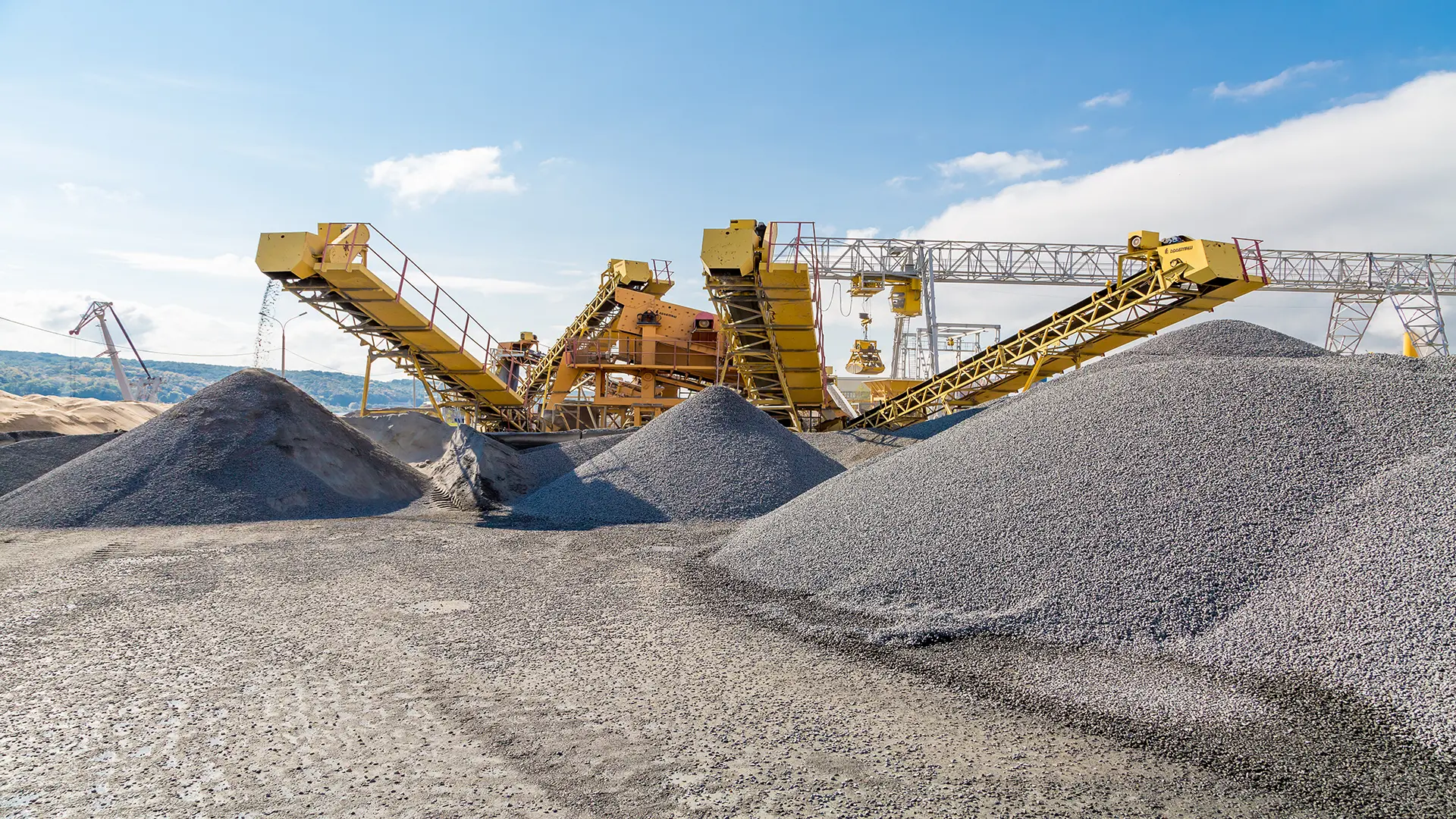
Researched by Industrial Info Resources (Sugar Land, Texas)--Since 2023, the German aluminum industry has faced one of its most challenging periods: war-driven energy price volatility, structural shifts in global supply chains, tariff escalations, distorted scrap markets, and policy uncertainty have combined to shrink production, disrupt traditional trade patterns, and challenge long-standing competitive advantages.
Declining Production Base
In 2023, the aluminum sector entered a period of strong slowdown. According to Germany's industry association, primary smelting volumes fell by more than 30% in the previous year and then dropped by about 45% to roughly 189,000 tons in 2023. Overall production of semi-finished products like extrusions, rolled aluminum, and profiles contracted significantly. The steep decline was structural because of high energy costs and regulatory burdens.
Energy Costs and War-Driven Shocks
Aluminum smelting is highly energy-intensive; electricity costs can comprise up to 30-40% of production costs. Elevated energy prices (due to the Russia-Ukraine War) eroded competitiveness and profitability for aluminum smelters. Higher energy expenses were compounded by supply chain disruptions, inflationary pressures, and weaker investment confidence, prompting some firms to restructure or reduce capacity. By 2024, production declines extended across the board, including recycled aluminum.
U.S. Tariffs and Trade Tensions
In March 2025, the United States imposed and raised tariffs on imported steel and aluminum under national security provisions, ultimately reaching 50% on many aluminum products. Although German exports of aluminum to the U.S. are not as large as intra-EU trade, the tariffs had indirect competitive effects by altering scrap flows, global price signals, and the arbitrage dynamics of recyclers and producers.
U.S. tariffs on primary aluminum, while exempting recycled aluminum (scrap), made scrap exports more valuable for U.S. buyers. That dynamic pulled large volumes of scrap out of Europe and Germany, pushing up domestic scrap prices and creating shortages for European smelters and recyclers. German industry bodies warned that the export of scrap metal driven partly by tariff-induced arbitrage could deplete domestic raw material availability, undermining the circular economy and increasing raw material costs for local producers.
Policy Responses and EU Countermeasures
In response to U.S. tariffs, the European Union with Germany playing a central role pursued multiple policy measures. Brussels reinstated countermeasures originally introduced in response to earlier U.S. tariffs, targeting a range of imported U.S. products with retaliatory tariffs. EU officials, including Chancellor Olaf Scholz and other leaders, signaled readiness to respond collectively to tariff threats while seeking negotiated outcomes with Washington. Germany, as a leading EU economy with substantial export ties to the U.S. also backed efforts to negotiate tariff exemptions or volume quotas that would allow some metal shipments to proceed without punitive duties.
These efforts reflected a broader trade policy strategy centered on balancing defense of domestic exports with the desire to avoid full-scale trade escalation that could harm manufacturing sectors, including aluminum, machinery and automotive.
Competitive Impacts and Strategic Shifts
By late 2025, the German aluminum sector remained under heavy pressure. Production levels in 2025 were still well below pre-crisis baselines, with output only about 76.5-87% of 2021 levels. High energy costs, weak global demand, tariff-induced price volatility, and regulatory burdens (including emerging carbon-related costs) continued to erode competitiveness. Industry surveys indicated that job cuts, capacity reductions, and even plant closures were being considered by many firms, underscoring the depth of structural challenges.
Going forward, the fate of the German aluminum industry will depend on a combination of energy policy reform, industrial strategy, trade diplomacy, and investment in sustainable production--especially recycling and decarbonized processes--to restore competitiveness in the evolving global metals landscape.
Industrial Info is tracking of 127 aluminum operational plants in the DACH region of Germany, Switzerland and Austria. Subscribers to Industrial Info's Global Market Intelligence (GMI) Metals & Minerals Plant Database can view a full list.
About IIR News Intelligence
IIR News Intelligence is a trusted source of news for the industrial process and energy markets, powered by Industrial Info Resources' Global Market Intelligence (GMI).
About Industrial Info Resources
Industrial Info Resources (IIR) is the leading provider of industrial market intelligence. Since 1983, IIR has provided comprehensive research, news and analysis on the industrial process, manufacturing and energy related industries. IIR's Global Market Intelligence (GMI) helps companies identify and pursue trends across multiple markets with access to real, qualified and validated plant and project opportunities. Across the world, IIR is tracking over 250,000 current and future projects worth $30.2 Trillion (USD).
/news/article.jsp
false
Want More IIR News Intelligence?
Make us a Preferred Source on Google to see more of us when you search.
Add Us On GoogleAsk Us
Have a question for our staff?
Submit a question and one of our experts will be happy to assist you.

Forecasts & Analytical Solutions
Where global project and asset data meets advanced analytics for smarter market sizing and forecasting.
Explore Our SolutionsRelated Articles
-
Codelco Leverages Pucobre Financing to Develop Tovaku Copper...August 31, 2026
-
Codelco aprovecha el financiamiento de Pucobre para desarrol...August 31, 2026
-
El Niño Shapes North America Fall, Winter OutlookAugust 27, 2026
-
Assisted by Halliburton, Two Startups Slash Costs of Critica...August 27, 2026
-
Energy Spared in U.S.-Canadian Trade WarAugust 27, 2026

PECWeb Global Market Intelligence Platform
Identify opportunities, anticipate change, and execute with confidence. PECWeb connects the industrial intelligence you need, from projects and assets to operational events, all in one platform.
Discover PecwebIndustry Intel
-
European Chemicals and Transport Fuels OutlookPodcast Episode / Jul 10, 2026
-
2026 European Petroleum Refining Project OutlookPodcast Episode / Jun 26, 2026
-
Brazil: Efficiency, Innovation, and Opportunities in the Food & Beverage IndustryPodcast Episode / Jun 12, 2026
-
2026-2027 Investment Radar for Mexico, Central America & the CaribbeanPodcast Episode / May 29, 2026
-
Innovations Shaping the Next Era of Power GenerationPodcast Episode / May 22, 2026
