Power
Serbia Scraps 35-Year Ban on Nuclear Power
Serbia's government has passed amendments to its energy law that has ended a 35-year ban on building nuclear power plants.
Released Tuesday, December 17, 2024
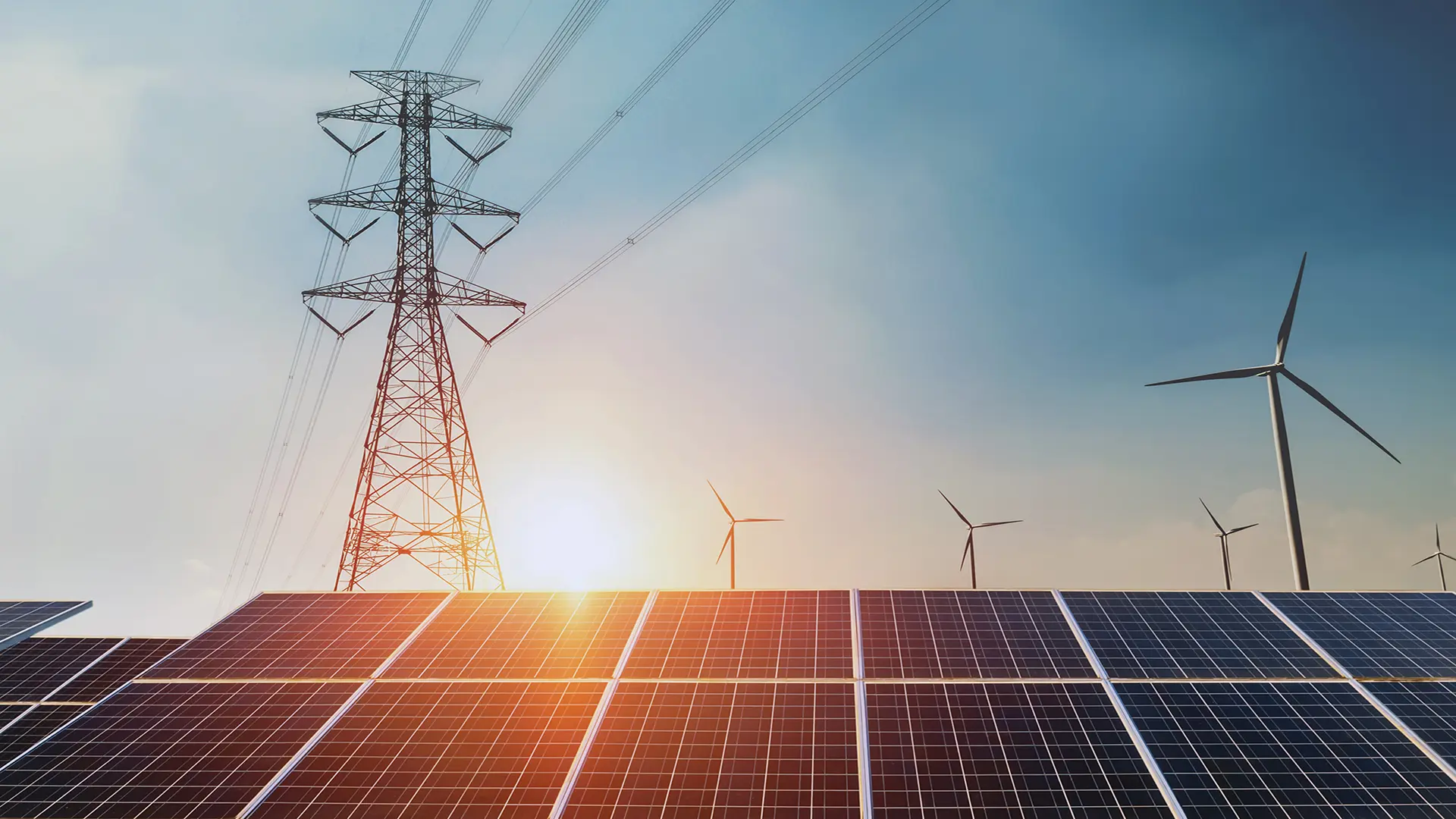
Written by Martin Lynch, European News Editor for Industrial Info (Galway, Ireland)--Serbia's government has passed amendments to its energy law that has ended a 35-year ban on building nuclear power plants.
It opens the way for the government to pursue its goal of having more than 1,000 megawatts (MW) of power from nuclear sources, and talks have been held with numerous companies, including France's Électricité de France SA (EDF) (Paris, France) and Russia's Rosatom (Moscow, Russia). The move is part of an overall strategy to reduce its reliance on coal for energy and invest more in renewable energy sources as it works its way closer to seeking accession to the European Union (EU) in 2026. The long-standing law was adopted in the former Socialist Federal Republic of Yugoslavia in 1989, three years after the Chernobyl nuclear disaster in northern Ukraine, then part of the former Soviet Union.
The government has been vocal about changing the law, citing the need for more clean energy and the overhaul of its existing power system. The country relies heavily on coal (67%) and hydropower (26%) for its electricity, with wind power supplying less than 3%. Earlier this year, Serbia's President Aleksandar Vučić said the country was seeking support regarding financing and know-how from other countries and stated that he wants to get 1,200 MW of nuclear capacity based on small modular reactor (SMR) technology. Later he said: "I just want you to know that by 2050 we will be consuming four times more electricity than today. No matter what we do, no matter how we do it, we don't stand a chance if we don't start addressing that problem quickly. And solving that problem is only possible by building large and small nuclear power plants." Industrial Info is tracking 135 power-related projects worth almost US$11 billion in investment in Serbia in the coming years. The vast majority of those are wind-related (almost US$7 billion), followed by solar power and hydro projects. Subscribers to Industrial Info's Global Market Intelligence (GMI) Project Database can click here for the report.
"The issue of nuclear energy use was brought into focus after the first Nuclear Energy Summit in Brussels held in March this year," stated the Serbian Radiation and Nuclear Safety and Security Directorate. "In the Declaration on Nuclear Energy, which was signed during the summit, nuclear energy was marked as a key component in the global strategy for the reduction of the greenhouse gas effect. In addition...nuclear energy is of fundamental importance for securing energy supply, a higher level of energy resilience and promotion of long-term sustainable development and the clean energy transition."
Serbia's Minister of Mining and Energy Dubravka Đedović Handanović said "history was written today" when the ban was lifted and called the change "a very important day for energy in the Republic of Serbia." Speaking later to local media, she added: "The first step was to lift the moratorium that was introduced 35 years ago. Nuclear energy is a basic stable source of clean energy and, above all, it is important that educational and scientific institutions take an active part in creating the next steps, which means recognizing the three phases of the development of the nuclear program prescribed by the International Atomic Energy Agency. There are clear guidelines and steps that each country needs to fulfill and we will be guided by those guidelines, because we absolutely have to adhere to all standards."
In July, the government awarded a contract to EDF and engineering firm Egis Industries (Guyancourt, France) to investigate the feasibility of deploying nuclear energy in Serbia.
Industrial Info Resources (IIR) is the leading provider of industrial market intelligence. Since 1983, IIR has provided comprehensive research, news and analysis on the industrial process, manufacturing and energy related industries. IIR's Global Market Intelligence (GMI) helps companies identify and pursue trends across multiple markets with access to real, qualified and validated plant and project opportunities. Across the world, IIR is tracking over 200,000 current and future projects worth $17.8 Trillion (USD).
/news/article.jsp
false
Want More IIR News Intelligence?
Make us a Preferred Source on Google to see more of us when you search.
Add Us On GoogleAsk Us
Have a question for our staff?
Submit a question and one of our experts will be happy to assist you.

Forecasts & Analytical Solutions
Where global project and asset data meets advanced analytics for smarter market sizing and forecasting.
Explore Our SolutionsRelated Articles
-
Turkey Announces New Wind and Solar DriveJuly 24, 2026
-
Nuclear Resurgence Spurs Permitting, Supply Chain IssuesJuly 24, 2026
-
GE Vernova Orders Up 88% Year-over-YearJuly 23, 2026

PECWeb Global Market Intelligence Platform
Identify opportunities, anticipate change, and execute with confidence. PECWeb connects the industrial intelligence you need, from projects and assets to operational events, all in one platform.
Discover PecwebIndustry Intel
-
European Chemicals and Transport Fuels OutlookPodcast Episode / Jul 10, 2026
-
2026 European Petroleum Refining Project OutlookPodcast Episode / Jun 26, 2026
-
Brazil: Efficiency, Innovation, and Opportunities in the Food & Beverage IndustryPodcast Episode / Jun 12, 2026
-
2026-2027 Investment Radar for Mexico, Central America & the CaribbeanPodcast Episode / May 29, 2026
-
Innovations Shaping the Next Era of Power GenerationPodcast Episode / May 22, 2026