Power
Simple and Combined Cycle Natural Gas Combustion Turbines Continue to be Equipment of Choice for New Generation Representing Over 230,000 MW Under Development
Research conducted by Industrialinfo.com over the past three years has identified nearly 135,000 megawatts (MW) of design capacity that has started operation across the United States - Includes a table listing the number of units and megawatts for simple vs. combined cycle projects under development by state
Released Monday, February 03, 2003
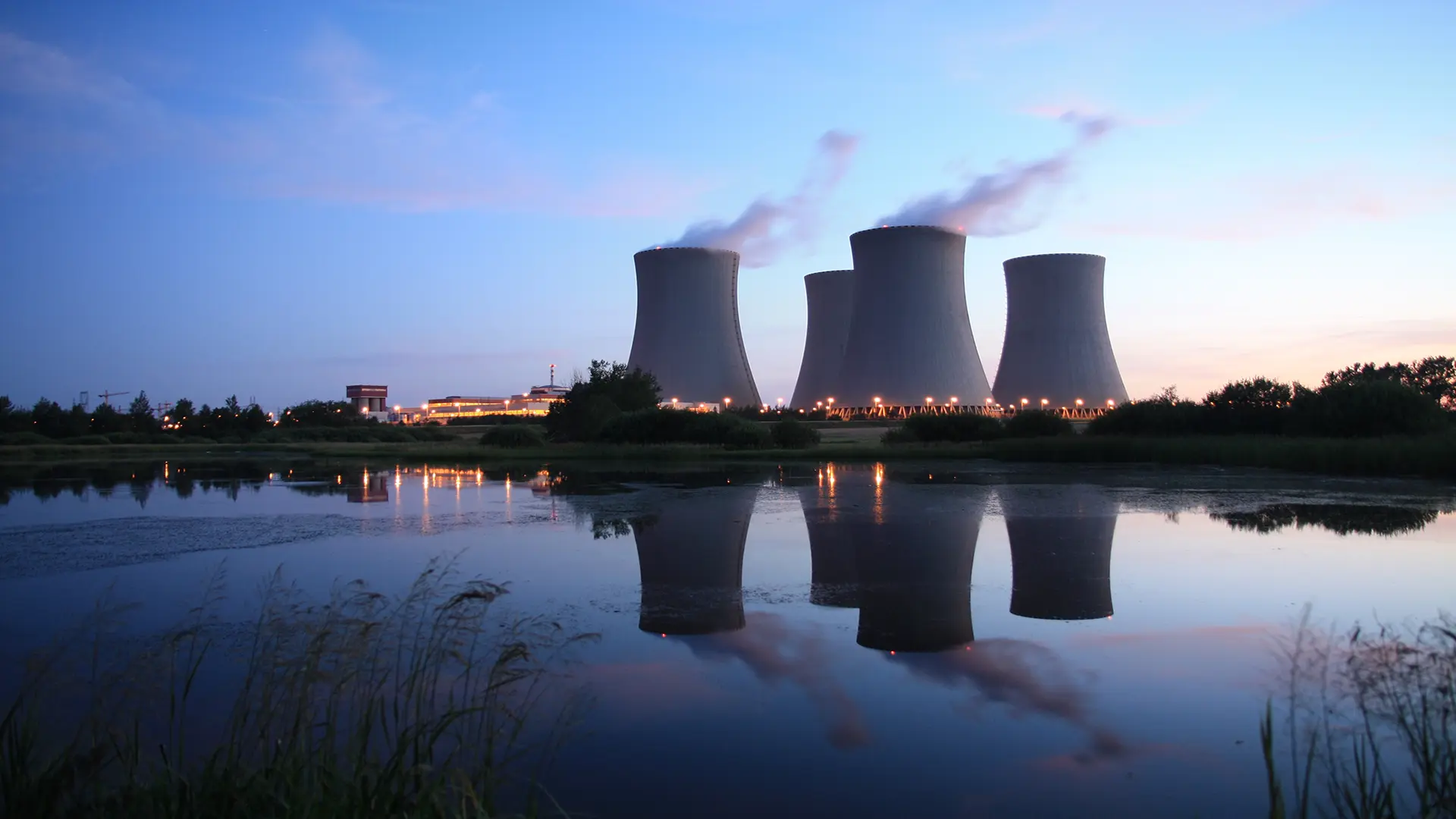
Researched by Industrialinfo.com (Industrial Information Resources, Incorporated; Houston, Texas). Over the past three years, the power industry has experienced a tremendous amount of growth in electric capacity across the country. There have been more power generating units added during this time than at anytime in history. The dominant factors and trends driving the industry boom have primarily been attributed to the growing demand for electric power brought about in this decade by increasing industrial use, and expanding residential populations. Also many older power units were repowered to increase operating efficiency and to increase plant capacity. Furthermore many states restructured their electric utility industries and created a race between potential developers to build new power plants to participate in what turned out to be a very lucrative market.
Research conducted by Industrialinfo.com (See 2003 U.S. Industrial Outlook)over the past three years has identified nearly 135,000 megawatts (MW) of design capacity that has started operation across the United States. Just over ninety percent of new units starting commercial operation have been either combined cycle or simple cycle natural gas fired combustion turbine units. Most of the construction activity has occurred in states such as Texas, Illinois, Florida, Georgia and California.
Combustion turbine generator sets configured in a simple cycle mode are used primarily to supply peaking power to be used during periods of high demand for electricity. During this three year period, 863 simple cycle units producing over 59,000 MW became operational. Of these simple cycle units, 774 are peaking units capable of producing roughly 56,000 MW.
In comparison, 448 combined cycle units with over 72,000 MW of total design capacity were brought online during the same time period. Combined cycle units generate electricity from combustion turbines and steam turbines, and tend to be larger in capacity than simple cycle units. Combined cycle units typically generate baseload or intermediate load (seasonal) electricity.
Just a few short months ago electricity providers were in the process of cashing in on the booming industry and reaping unimaginable profits. However, in those few short months some in the industry have gone from boom to bust due to a tumbling economy, over building of power plants in certain regions, ever shrinking power prices, stiff competition, and cautious investors. In fact, Industrialinfo.com's data reflects that over the past year over 175,000 MW of new generation has been put on hold or cancelled.
Despite the amount of project cancellations and delays that have occurred over the past year, the power industry will continue to experience significant capital spending for new generation in the future. Industrialinfo.com has identified projects, representing over $70 billion in capital expenditures, scheduled for construction kick-off during 2003. If the industry continues to follow the path of project cancellations and delays in 2003 as expected then capital spending for this year could be reduced by half.
 As the attached U.S. Simple & Combined Cycle Gas Turbine Table (Click on image at left to access) indicates, simple cycle and combined cycle units will continue to provide the majority of new generation capacity. Currently, there are nearly 75,000 MW of simple and combined cycle units under construction. Of that total, 55,000 MW will start commercial operation in 2003, 17,000 MW in 2004, and 2,900 MW in 2005. Long-range projections appear promising as Industrialinfo.com is tracking an additional 161,000 MW in the early development stages scheduled to start construction between 2003 and 2011.
Given the current status of the industry, these numbers may seem a bit optimistic when considering demand for new capacity during this time frame. However, many of the units in early development are proposed as replacement capacity for existing units forced to close due to environmental mandates or imminent retirement. If built, gas turbine combined and simple cycle operations will account for about seventy one percent of new capacity over this time frame with the additional capacity coming from renewable energy sources and coal-fired power plants.
/news/article.jsp
false
Want More IIR News Intelligence?
Make us a Preferred Source on Google to see more of us when you search.
Add Us On GoogleAsk Us
Have a question for our staff?
Submit a question and one of our experts will be happy to assist you.

Forecasts & Analytical Solutions
Where global project and asset data meets advanced analytics for smarter market sizing and forecasting.
Explore Our Solutions
Industrial Project Opportunity Database and Project Leads
Get access to verified capital and maintenance project leads to power your growth.
Discover Our DatabaseIndustry Intel
-
Brazil: Efficiency, Innovation, and Opportunities in the Food & Beverage IndustryPodcast Episode / Jun 12, 2026
-
2026-2027 Investment Radar for Mexico, Central America & the CaribbeanPodcast Episode / May 29, 2026
-
Innovations Shaping the Next Era of Power GenerationPodcast Episode / May 22, 2026
-
The Role of Contract Manufacturing in Global Pharma GrowthPodcast Episode / May 8, 2026
-
2026 North American Labor OutlookPodcast Episode / Apr 24, 2026