Power
Sudan Takes Slice of Nile Power with $2 Billion 1250 MW Hydro Dam
Sometimes power projects make a really big difference. The new Hamdab Dam, which is to be constructed at Merowe 400 kilometers north of Khartoum in Sudan, will almost triple the country's power generation capacity
Released Wednesday, July 02, 2003
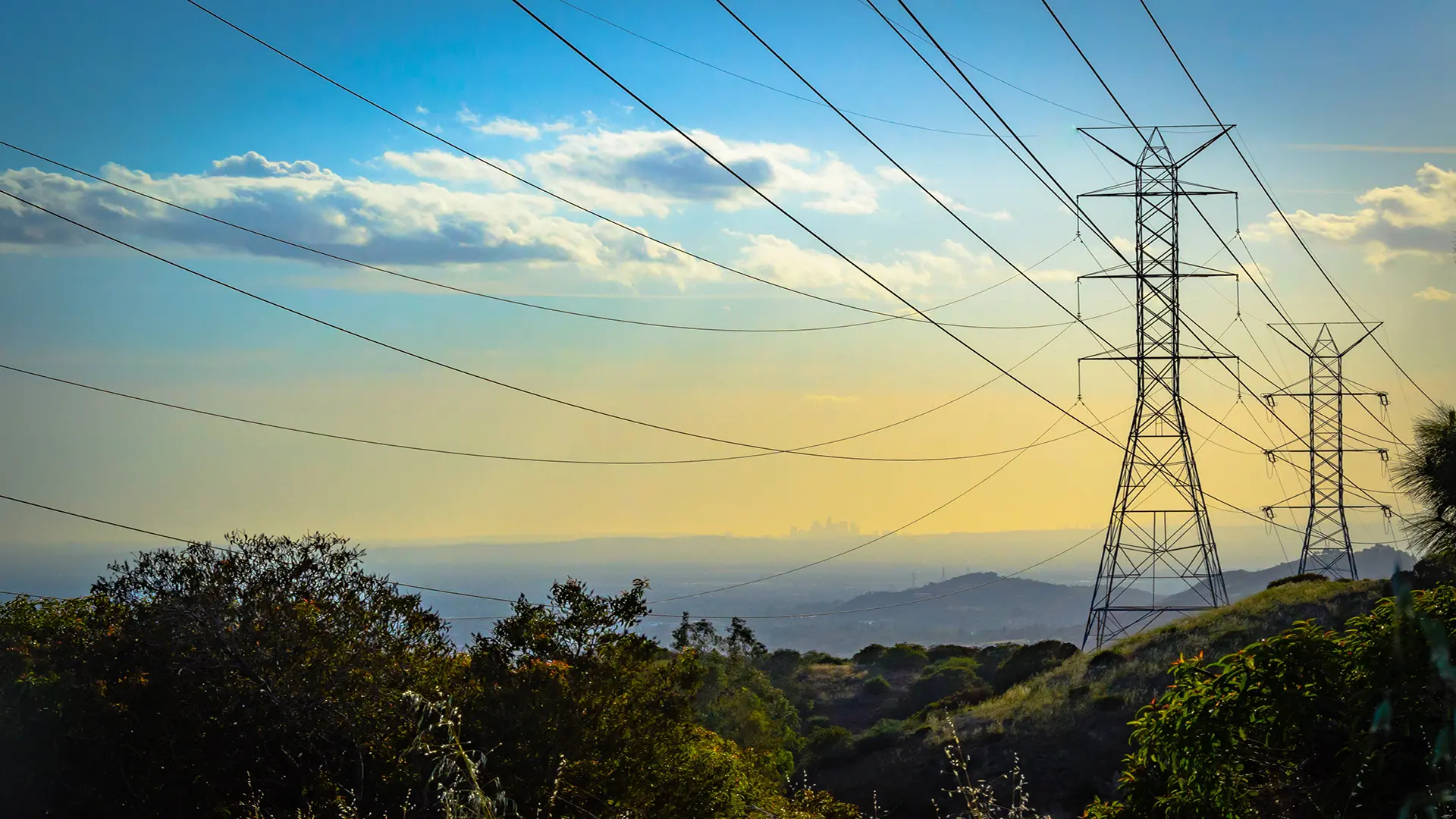
Researched by Industrialinfo.com (Industrial Information Resources Incorporated; Houston, Texas). Sometimes power projects make a really big difference. The new Hamdab Dam, which is to be constructed at Merowe 400 kilometers north of Khartoum in Sudan, will almost triple the country's power generation capacity and increase the area under irrigation and cultivation by 50 percent. It will also improve navigation and fishing on the Nile above and below the Nile's fourth cataract where it is sited. Compare that in nominal terms with the same percentages applying to any state in the US and you will get some (exaggerated and qualified maybe) perspective of the life enhancing potential of the project.
China's CCMD group has been awarded the $555 million dam construction contract by the Sudanese government. The 1,250 MW facility when completed will have could take another $700 million for generating equipment and another $350 million for resettlement and environmental costs. Estimates of the total cost of the project have varied between $1.7 billion to $2 billion a significant portion of which has been covered by Arab and Malaysian funding.
Current generating capacity is just over 1,000 MW with a potential consumption seen to be 3,000 MW. Chronic power shortages will be covered by the Merowe station's output and will constitute a U-turn in the life of the Sudanese, a spokesman for the Arab Fund for Social and Economic Developed said to Africa news.
In parallel with the dams construction, new sugarcane plantations will be established on the eastern bank of the White Nile. The $325 million to be put into the venture will be co-financed by Kuwaiti investors and will add 300,000 tons per annum to the current national output of Kenana Sugar Company of 700,000 tons of sugar per annum. The government has been working to increase the country's wheat growing area from 300,000 acres to 500,000 acres backed by Arab financiers.
Existing hydropower producing dams at Sennar and Rosieres were constructed in 1925 and 1966 and were not purpose built for power generation. Clashes between the functions of power generation and irrigation have not been well coordinated and silting has badly affected output from Rosieres.
Merowe will be the second dam constructed under a plan announced in 1998. The Kajbar dam, on the second Nile cataract, began construction in 1998. Co-financed by Sudan and China (75%) Kajbar will add 300 MW to the country's generating capacity.
Only the parts of the central and western regions of the country have had a form of public supplies through local grid systems. Other areas have been supplied by diesel generators that received a boost when Sudan became a middle level oil exporter. In 2002 up to 70,000 barrels of the 220,000 bpd produced were used for domestic consumption.
With the big difference for Sudan come large problems that still confront economic and power networks in the region. One of these is agreement as to who can access the water and power of the Nile. In 1929 and 1959 treaties Egypt was allocated 82% of the 3.1 billion liters per second flow of the river, and Sudan the balance of the 6,695-kilometer river. Ethiopia, whose Blue Nile contributes 60% of the Nile flow, was excluded. Moves are ongoing to find an equitable solution to the problem but when you check the list of countries that are interested parties the heft of the problem is obvious. Kenya, Uganda, Tanzania, Ethiopia, Burundi, Rwanda and the Democratic Republic of Congo with Eritrea as an observer all have an interest in the future of Nile waters.
China's CWHEC is currently building the $224 hydroelectric dam in Ethiopia on the Tekeze River, which is a tributary of the Nile which is due for completion in 2008 and will assist in meting the country's chronic food/famine problem.
The Merowe dam in Sudan should be completed in 2009. It is probable that plenty of Nile water will flow under the political, humanitarian and economic bridge before that date is reached.
/news/article.jsp
false
Want More IIR News Intelligence?
Make us a Preferred Source on Google to see more of us when you search.
Add Us On GoogleAsk Us
Have a question for our staff?
Submit a question and one of our experts will be happy to assist you.

Forecasts & Analytical Solutions
Where global project and asset data meets advanced analytics for smarter market sizing and forecasting.
Explore Our SolutionsRelated Articles
-
Europe's Mild Winter Outlook Tests Natural Gas PreparednessOctober 16, 2026
-
South Korea's US$747 Billion Energy Transition PlanOctober 16, 2026
-
Trump Admin Continues Offshore Wind War with Revolution Wind...October 15, 2026
-
U.S. Nuclear Body Gives Second SMR Permit in Six MonthsOctober 15, 2026
-
Europe Makes its First SMR InvestmentOctober 14, 2026

PECWeb Global Market Intelligence Platform
Identify opportunities, anticipate change, and execute with confidence. PECWeb connects the industrial intelligence you need, from projects and assets to operational events, all in one platform.
Discover PecwebIndustry Intel
-
Brazil Critical Minerals 2027: Rare Earths, Lithium, CopperPodcast Episode / Oct 16, 2026
-
US Craft Labor Outlook 2026: Wages, Per Diems, Data CentersPodcast Episode / Oct 16, 2026
-
Latin America Data Center Outlook 2026: Power, Hubs & GrowthPodcast Episode / Oct 9, 2026
-
Food and Beverage CapEx Outlook 2026: Tariffs, AI, AfricaPodcast Episode / Oct 9, 2026
-
North America Refining 2026: New Pipelines to PADD 5Podcast Episode / Oct 2, 2026