Power
Weather to Determine if Wind Power is Curtailed in Pacific Northwest
Wind power operators and the Bonneville Power Administration (BPA) (Portland, Oregon) are praying for cold and cloudy weather for the next few days.
Released Wednesday, May 18, 2011
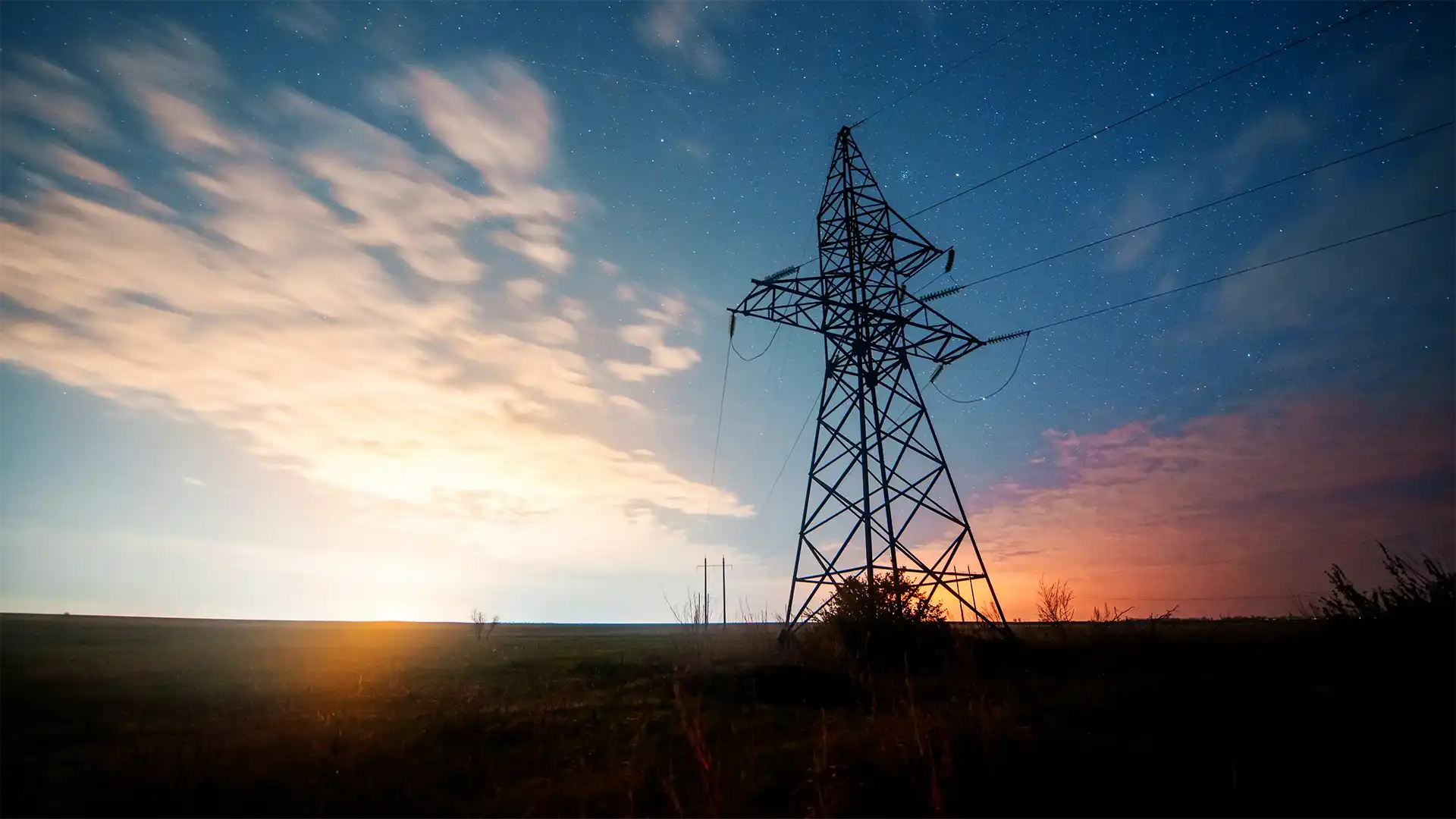
Written by John Egan for Industrial Info Resources (Sugar Land, Texas)--Wind power operators and the Bonneville Power Administration (BPA) (Portland, Oregon) are praying for cold and cloudy weather for the next few days. Otherwise, BPA will have to start temporarily curtailing wind generation in the region, which would make no one happy.
"We've had too much of a good thing," BPA spokesman Michael Milstein told Industrial Info in an interview on Monday. "Our snowpack is at about 125% of historical averages, the most it's been for at least a decade, and when it starts to melt, we have to do something with all that water. It's not likely that a lot of people in Oregon and Washington would hope for continued cold and cloudy weather, but that's what we need if we want to avoid having to shut down some wind generation.
"This is not something we want to do, and we're not happy about it, but we've put this off as long as we can," Milstein continued. "By midweek, we may be forced to begin temporarily curtailing wind power in the region. Any curtailments would be spread evenly" across the 3,500 megawatts (MW) of wind power connected to BPA's transmission system, he added.
BPA, a federal power-marketing agency, operates 75% of the high-voltage transmission lines in the Northwest and manages about 20,000 megawatts (MW) of hydroelectric generating capacity on the Columbia River. Hydroelectric generation in the region is designated as a "must run" generating resource, because the alternative--releasing water through a dam's spillways rather than running water through its hydro turbines--would have a negative impact on protected local fish like salmon and steelhead.
"Most of the time, wind and hydro work well together," Milstein said. "We use hydro to offset the intermittency of wind power. But we've got a lot of water in our reservoirs now, and nowhere to put the water that will come in when the snowpack melts."
Predictably, wind power operators reacted negatively to the potential curtailment, which was announced late last week, as that would cost them federal production tax credits (PTCs) that are only paid when power is generated. BPA said it would not reimburse wind power operators for any lost PTCs. BPA said its new interim policy for curtailing non-hydropower resources would remain in effect until next March.
Milstein said BPA has already done all it can to avert curtailing wind generators: "We've deferred all non-essential maintenance of our transmission lines, we've shut down all of our thermal electric generators, and we've approached utilities in the area to shut down their thermal generation so they can take more hydro from BPA. We've sold as much as we can outside the region. For the last few weeks, we've even been giving hydroelectricity away for free during times of low electric demand--typically at night."
BPA also is building one high-voltage transmission line, and will begin construction of a second line to accommodate more wind power in the region, Milstein said. The McNary-John Day transmission project is a $216 million, 79-mile, 500-kilovolt (kV) line that is under construction now. It is scheduled to begin operating next year. The second high-voltage transmission project, the 40-mile, 500-kV Central Ferry-Lower Monumental project, is scheduled to begin construction in a few months and be in service by 2013. The Central Ferry project has a total investment value (TIV) of about $100 million.
Beyond those two transmission projects, BPA is considering building two other high-voltage transmission lines. But both of those potential projects are going through environmental impact assessments, so there is no firm date for construction or operation, the BPA spokesman said.
"Wind power has grown faster than we ever anticipated," Milstein said. And it may continue growing if power-planners in the region get their way.
Wind power in the Pacific Northwest could more than double by 2025 as utilities scramble to meet state renewable portfolio standards (RPSs), according to estimates made last week by staff at the Northwest Power and Conservation Council (NPCC) (Portland, Oregon), which is unaffiliated with BPA. NPCC, a multi-state planning organization, is charged by Congress with coming up with a regional plan that meets the energy and environmental needs of Oregon, Washington, California and Montana.
State lawmakers in the region have established RPSs that will escalate in the coming years, putting added pressure on BPA, utilities, environmental organizations and renewable energy developers. Oregon's large utilities are required to serve 5% of their electric demand with renewables this year, increasing this to 25% by 2025. California's RPS is 33% by 2020, and Washington's is 15% by 2020.
Wind turbines operating, or under construction, in the region could reportedly bring the region's wind power generating capacity to about 6,000 MW. But Portland's Oregonian newspaper last week quoted NPCC analyst Ken Dragoon as estimating that the region could see another 5,000 to 10,000 more megawatts of wind capacity by 2025.
The construction of 5,000 MW of new wind generation would place added strain on the region's transmission grid, potentially forcing regulators, lawmakers, utilities, consumer advocates and renewable developers into more adversarial roles. Next month, representatives of these organizations will meet under the umbrella of the Northwest Wind Integration Committee, which has not met since 2007, to begin work on an action plan to integrate more wind power into the Pacific Northwest's electricity mix.
View Project Report - 22001440 200001806
Industrial Info Resources (IIR) is the leading provider of global market intelligence specializing in the industrial process, heavy manufacturing and energy markets. IIR's quality-assurance philosophy, the Living Forward Reporting Principle, provides up-to-the-minute intelligence on what's happening now, while constantly keeping track of future opportunities.
/news/article.jsp
false
Want More IIR News Intelligence?
Make us a Preferred Source on Google to see more of us when you search.
Add Us On GoogleAsk Us
Have a question for our staff?
Submit a question and one of our experts will be happy to assist you.

Forecasts & Analytical Solutions
Where global project and asset data meets advanced analytics for smarter market sizing and forecasting.
Explore Our SolutionsRelated Articles
-
NextEra Eyes Strong Backlog, Data Center Hub StrategyOctober 23, 2026
-
Winter 2026-27 Outlook: Strong El Niño Expected to Shape Nor...October 23, 2026

PECWeb Global Market Intelligence Platform
Identify opportunities, anticipate change, and execute with confidence. PECWeb connects the industrial intelligence you need, from projects and assets to operational events, all in one platform.
Discover PecwebIndustry Intel
-
Mining Capital Spending 2026: Copper, Rare Earths, AluminumPodcast Episode / Oct 23, 2026
-
Brazil Critical Minerals 2027: Rare Earths, Lithium, CopperPodcast Episode / Oct 16, 2026
-
US Craft Labor Outlook 2026: Wages, Per Diems, Data CentersPodcast Episode / Oct 16, 2026
-
Latin America Data Center Outlook 2026: Power, Hubs & GrowthPodcast Episode / Oct 9, 2026
-
Food and Beverage CapEx Outlook 2026: Tariffs, AI, AfricaPodcast Episode / Oct 9, 2026
