Metals & Minerals
Gypsum Wallboard Manufacturers Gear Up for Next Round of Expansions as Coal-Fired Power Generators Grapple with Gypsum Disposal Concerns
Since the boom period of 1999-2001, wallboard manufacturers had scaled back expansion and growth plans, but over the past year, several producers have announced major new construction projects. Includes U.S. gypsum wallboard plant start-up and operational plant analysis charts
Released Tuesday, December 14, 2004
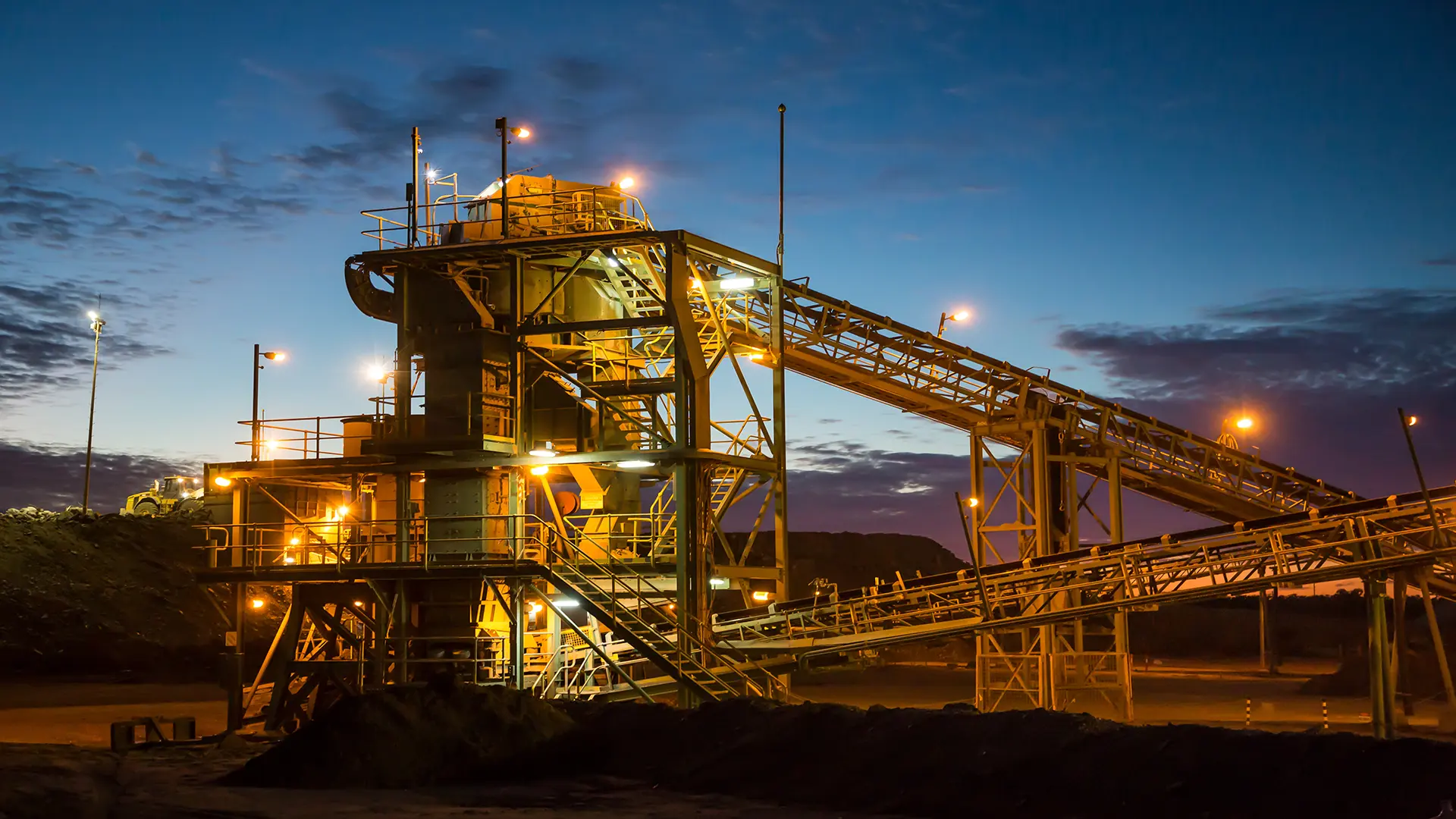
Researched by Industrialinfo.com (Industrial Information Resources, Incorporated; Houston, Texas). Increases in gypsum wallboard prices and demand have marked a turnaround for U.S. gypsum wallboard manufacturers over the past two-year period. The Gypsum Association recently reported that total gypsum wallboard demand in the U.S. was running approximately 8.4% ahead of the 2003 record-setting year through the first nine months of 2004. This is good news for gypsum wallboard manufacturers, some of whom are once again contemplating plant expansions to keep up with demand.
Since the boom period of 1999-2001, wallboard manufacturers had scaled back expansion and growth plans, but over the past year, several producers have announced major new construction projects. Both BPB America (Tampa, Florida) and National Gypsum Company (Charlotte, North Carolina) are contemplating the construction of synthetic gypsum wallboard manufacturing plants in North Carolina. Construction of new synthetic gypsum wallboard plants must take place at locales where the feedstock is produced, which is at coal-fired power plants, because it is cost prohibitive to transport the feedstock or the finished product over great distances. This limits the construction of new synthetic gypsum plants to the coal-fired power plant regions of the U.S. Midwest, Great Lakes, and Mid-Atlantic states.
 Lafarge North America Incorporated (Herndon, Virginia) recently announced plans to expand its Buchanan, New York, natural gypsum wallboard plant. Turn-key engineering, procurement, and construction services are being handled by PCL Construction (Orlando, Florida). PCL Construction had previously constructed Lafarge's Palatka, Florida, synthetic gypsum wallboard plant, first reported by Industrialinfo.com in 1999. The construction of the Palatka plant was completed in early 2001, just as the market began a decline from a significant growth period.
  Click on the image at right to view a chart showing gypsum wallboard plant start-ups in the U.S. since 1984.
During the growth period between 1999 and 2001, ten new gypsum wallboard plants came online. At the same time, numerous expansions at existing plants were taking place across the country, boosting the country's gypsum wallboard capacity up by 50%. Most of the new wallboard plants constructed during this boom period use synthetic, as opposed to naturally-mined, gypsum. These plants take advantage of new sources of synthetic gypsum from flue gas desulfurization (FGD) scrubbers at coal-fired power plants.
 Click on the image at right to view a chart showing the number of gypsum wallboard plants by market region.
The FGD scrubbers produce synthetic gypsum as a byproduct of cleaning up the atmosphere, as mandated by the Clean Air Act. According to the U.S. Geological Survey, synthetic gypsum accounted for 26% of the total domestic gypsum supply in 2003. This is up from about 17% in 2001.
As more and more FGD scrubbers are constructed and come online, there is a strong motivation to find uses for the byproduct gypsum, which otherwise has to be landfilled at significant expense to the power plant. Industry expert, Bob Bruce PhD, President of Innogyps Incorporated (Flamborough, Ontario) estimates that disposal costs will continue to increase and will reach the range of $20 - $35 per ton of gypsum in the near future. Dr. Bruce states, "The byproduct FGD gypsum industry will evolve into a multi-billion dollar industry, as more and more FGD scrubbers come online. The gypsum industry, however, will not be able to consume the entire future supply of FGD gypsum by building new wallboard plants." This will cause disposal issues, which will have to be addressed by the industry in the near future. Dr. Bruce has recently released a report - Impact of USA Flue Gas Desulfurization Programs on North American Gypsum Supply and Demand (2003, 2010, 2015), which is designed to inform and place the right tools on how to deal with future FGD gypsum disposal concerns into power plant owners' hands.
View Plant Profile - 1043390 1035554
Industrialinfo.com is the leading provider of global industrial market research. We specialize in helping companies develop information solutions to maximize their sales and marketing efforts.
Want More IIR News Intelligence?
Make us a Preferred Source on Google to see more of us when you search.
Add Us On GoogleAsk Us
Have a question for our staff?
Submit a question and one of our experts will be happy to assist you.

Forecasts & Analytical Solutions
Where global project and asset data meets advanced analytics for smarter market sizing and forecasting.
Explore Our SolutionsRelated Articles
-
U.S. Precast Concrete Manufacturing Provides Steady Project ...September 22, 2026
-
Chile: 21 New Mining Projects Worth US$24.5 Billion Are Unde...September 22, 2026
-
Chile: 21 nuevos proyectos mineros por un valor de US$24.500...September 22, 2026
-
New Mexico Bans New Uranium Mine Leases on State LandsSeptember 21, 2026
-
Argentina Mining Exports Through July Reached US$5.36 Billio...September 21, 2026

PECWeb Global Market Intelligence Platform
Identify opportunities, anticipate change, and execute with confidence. PECWeb connects the industrial intelligence you need, from projects and assets to operational events, all in one platform.
Discover PecwebIndustry Intel
-
2026 US Data Center Outlook: Power, Land & CoolingPodcast Episode / Sep 18, 2026
-
2026 Global Power Demand Outlook: Gas, Nuclear & RenewablesPodcast Episode / Sep 18, 2026
-
2026 Oil & Gas CapEx Outlook: Middle East, LNG & PermianPodcast Episode / Sep 4, 2026
-
The Answer Age Starts with Trusted Data: Introducing IIR Envoy™ MCPPodcast Episode / Sep 1, 2026
-
European Chemicals and Transport Fuels OutlookPodcast Episode / Jul 10, 2026