Production
Iran and Malaysia Sign $14 Billion of Oil and Gas Cooperation Agreements
Iran and Malaysia have entered into several deals concerning the development of liquefied natural gas (LNG) facilities and the supply of crude oil.
Released Monday, December 15, 2008
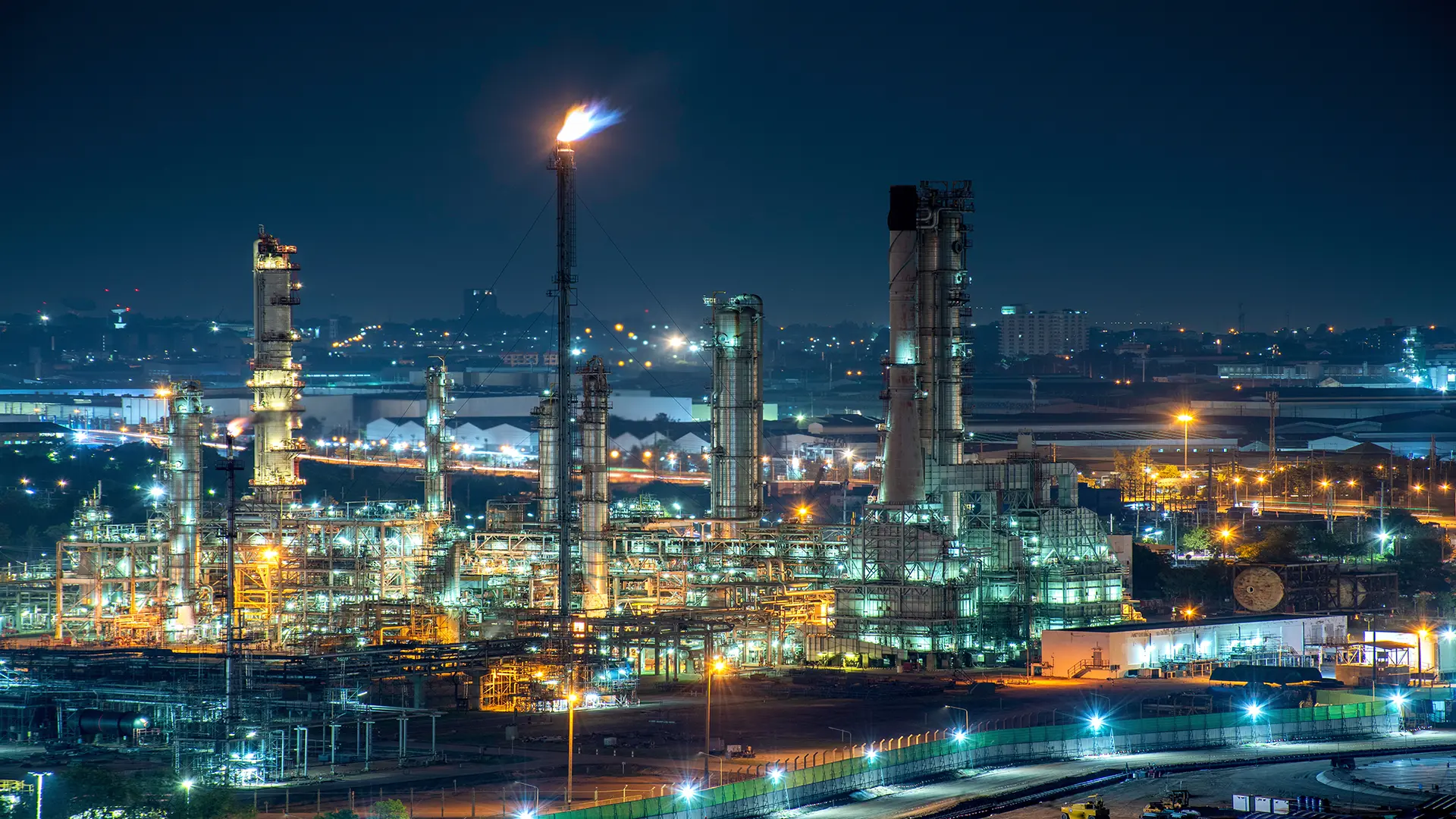
Researched by Industrial Info Resources (Sugar Land, Texas)--Iran and Malaysia have entered into several deals concerning the development of liquefied natural gas (LNG) facilities and the supply of crude oil. On December 1, 2008, the two nations entered into three agreements for cooperation in the oil and gas sector. State-owned National Iranian Oil Company (NIOC) (Teheran, Iran) and Petrofield LNG Company, a subsidiary of Malaysia's SKS Ventures held by business tycoon Al-Bukhary, signed a framework agreement and a gas sales and purchase agreement. Petrofield LNG also entered into a project development agreement with the National Iranian Gas Export Company (NIGEC), a subsidiary of NIOC.
The agreements between the two nations involve gas deals worth $14 billion to develop the Golshan and Ferdousi gas fields in Iran and produce LNG. SKS Ventures will develop the two fields based on a buy-back contract valued at $5 billion to $6 billion. Petrofield LNG will invest in and develop an LNG facility with a total capacity of 10 million tons per year consisting of two units, each with a capacity of 5 million tons per year, near the port of Deir in southern Iran. The facility will use feedstock from the Golshan field. It is estimated that the investment will be repaid in a period of seven years through sale of gas and related products. NIOC will assume complete ownership of the LNG facility after a period of 25 years. NIOC and Petrofield will also set up a shipping company through a 50:50 joint venture for the transport of LNG.
The two nations also signed agreements pertaining to exports of 250,000 barrels per day (BBL/d) of heavy and ultra-heavy crude oil from Iran to the upcoming Kedah Refinery in Malaysia. The agreements also include sale of 120,000 BBL/d of gas condensates from Iran to Malaysia starting next year. Malaysia has offered a minority stake to Iran in the $2.2 billion Kedah Refinery that is currently being developed by SKS Ventures. The two countries also entered into agreements to jointly develop refineries in Indonesia and Syria and to construct the Pars condensate refinery at Shiraz in southern Iran.
The recent LNG agreement might be related to a preliminary deal of $16 billion signed in January 2007 between SKS Ventures and NIOC to develop the Golshan and Ferdousi gas fields and set up facilities to produce LNG. This deal involved the development of an LNG plant with a total capacity of 20 million tons per year, consisting of four units, each with a capacity of 5 million tons per year. The plant was to be fed with gas from the Golshan and Ferdousi fields. However, gas from the Ferdousi field has since proved to be unsuitable for the production of LNG and this has been taken into account in the new agreement.
Gholamhossein Nozari, the Oil Minister of Iran, stated that the recent cooperation agreements covered upstream and downstream development of the gas fields and the development of an LNG facility. However, in a conflicting report, the NIGEC is said to have clarified that the agreements made in 2007 were related to the upstream development of the gas fields, whereas the agreements signed earlier this month involve midstream development of the fields and the establishment of an LNG-production facility.
In another development, Hampa Engineering Corporation (Tehran) sealed a deal valued at $6 billion with a Malaysian firm to develop a petrochemical refinery complex with a capacity of 250,000 BBL/d in the Terengganu state of Malaysia. The facility is expected to be developed over a period of six years and will produce gas oils, gasoline, jet fuel, LNG and petrochemicals for domestic consumption with surplus produce slated for export.
Washington has expressed concern over the recent spate of developments and growing trade ties between Iran and Malaysia. The two nations are members of the Group of Eight developing Islamic countries, the D-8 Group, which adopted a 10-year strategy in July of this year to boost economic and trade cooperation aimed at enhancing the position of developing Muslim nations on the global economic map.
Iran has estimated reserves of 971.15 trillion cubic feet of gas and is home to the second-largest gas reserves in the world after Russia. The Golshan field has estimated gas reserves of 42 trillion to 56 trillion cubic feet, whereas the Ferdousi field has estimated reserves of 9 trillion to 13 trillion cubic feet of gas. Iran also holds recoverable oil reserves of 138 billion barrels and produces about 4.2 million barrels per day of oil.
Industrial Info Resources (IIR) is a marketing information service specializing in industrial process, energy and financial related markets with products and services ranging from industry news, analytics, forecasting, plant and project databases, as well as multimedia services.
/news/article.jsp
false
Want More IIR News Intelligence?
Make us a Preferred Source on Google to see more of us when you search.
Add Us On GoogleAsk Us
Have a question for our staff?
Submit a question and one of our experts will be happy to assist you.

Forecasts & Analytical Solutions
Where global project and asset data meets advanced analytics for smarter market sizing and forecasting.
Learn More
Industrial Project Opportunity Database and Project Leads
Get access to verified capital and maintenance project leads to power your growth.
Learn MoreIndustry Intel
-
2026 Regional Chemical Processing OutlookOn-Demand Podcast / Mar. 2, 2026
-
From Data to Decisions: How IIR Energy Helps Navigate Market VolatilityOn-Demand Podcast / Nov. 18, 2025
-
Navigating the Hydrogen Horizon: Trends in Blue and Green EnergyOn-Demand Podcast / Nov. 3, 2025
-
ESG Trends & Challenges in Latin AmericaOn-Demand Podcast / Nov. 3, 2025
-
2025 European Transportation & Biofuels Spending OutlookOn-Demand Podcast / Oct. 27, 2025