Production
Is U.S. Oil Production at its Peak?
There are growing concerns that this might be it--that shale oil has reached its plateau, and will never again reach the heights expected in 2023
Released Tuesday, October 25, 2022
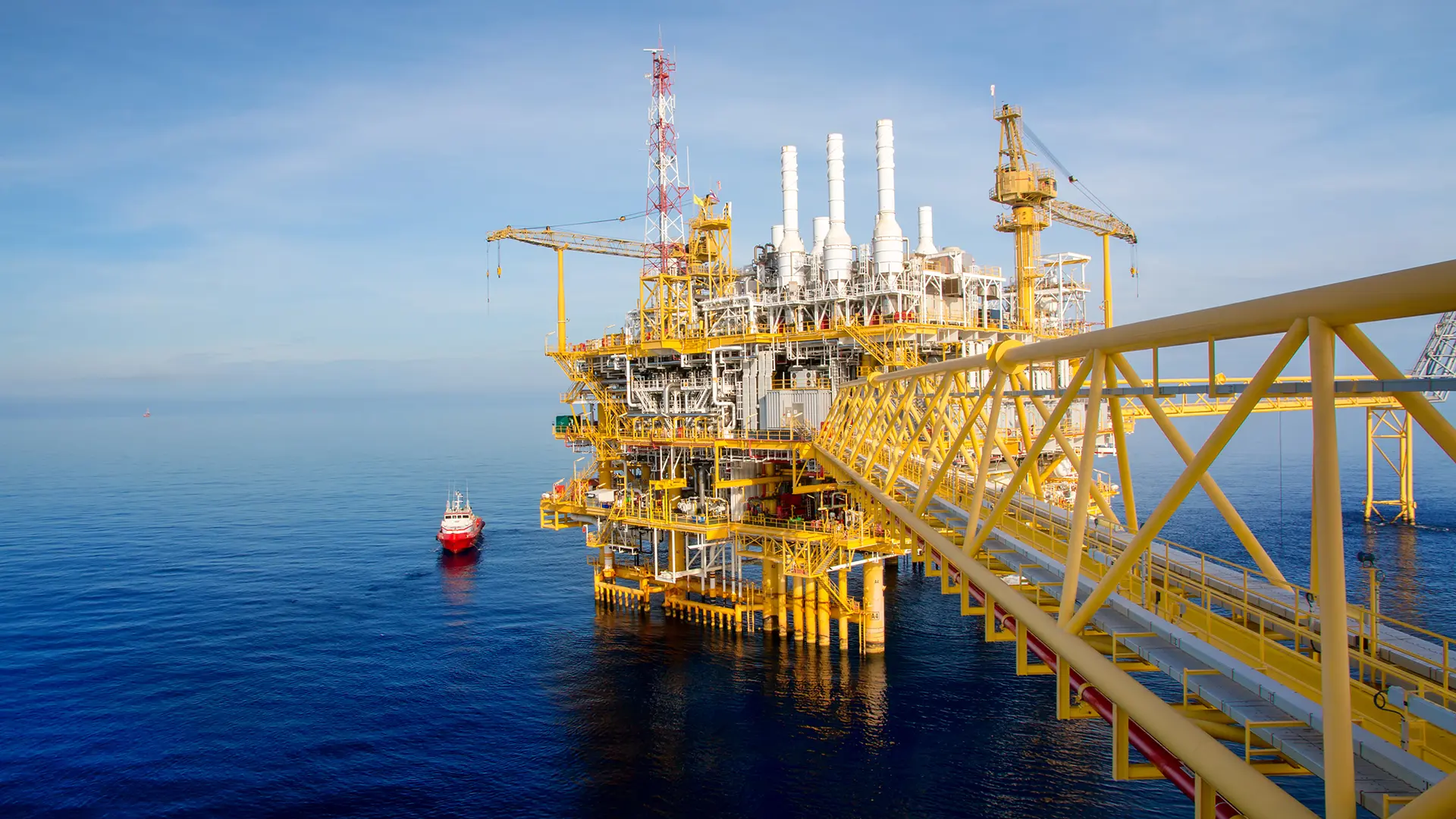
Researched by Daniel Graeber for Industrial Info Resources (Sugar Land, Texas)--Recent reports suggest the U.S. shale oil sector is on the rise in terms of production. But if you believe the hype, this may very well be the last hurrah.
The U.S. Department of Energy's most recent drilling forecast shows total shale oil production is on pace to increase by 1.1% from October levels, to reach 9.1 million barrels per day (BBL/d) in November. That would be the highest since March 2020.
Total U.S. oil production for 2022 is expected to average 11.7 million BBL/d and reach 12.4 million BBL/d by next year, which would break the previous record set in 2019.
That's exceptionally important, given the lack of spare capacity on the market and the isolation of major producers, such as Iran and Venezuela. With Western powers looking for alternatives to Russia, meanwhile, it's the U.S. that's filling the void.
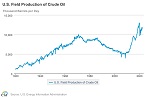 Click on the image at right for a graph from the U.S. Environmental Information Administration (EIA) detailing U.S. field production of crude oil, dating to 1920.
Up to the week ending October 14, total U.S. crude oil exports averaged 3.3 million BBL/d. By comparison, Saudi Arabia, the de facto global king of oil, sent out 6.5 million BBL/d on average last month.
There are growing concerns, however, that this might be it--that shale oil has reached its plateau, and will never again reach the heights expected in 2023.
Pandemic-related bottlenecks stifled the supply chain for most of the year, creating headwinds for shale oil producers. Items such as steel--particularly the type of steel used in pipelines--are increasingly expensive, and investors these days simply want cash more than they want crude.
"Investors have been milking the oil sector for cash in the form of dividends and share buybacks for some time," Dan Eberhart, the CEO of oilfield services company Canary LLC (Denver, Colorado), wrote in a recent op-ed in Forbes. "They want cash returns, not growth--and companies that stray from the dividends path see their shares pummeled."
A recent survey of executives working in the industry from the Federal Reserve Bank of Dallas finds the cost of supplies and the availability of essential services to be stifling. But primarily, it seems to be a labor issue.
"The biggest challenge for us is adding employees," one respondent said. "We are trying to add qualified staff, with little success, and that will negatively impact growth."
Meanwhile, there is a question of acreage. Eberhart writes that the "best" acreage for shale oil drillers already has been exhausted.
All of this comes as the entire energy sector is starting to pivot toward cleaner alternatives, such as hydrogen. Tests are underway right now to see if hydrogen--the most abundant element in the universe--can replace natural gas as an alternative fuel. It's been exceedingly rare, meanwhile, to hear of major discoveries of new sources of oil.
Historical data, however, suggests shale is still producing at a decent clip. In October 2014, the last time crude oil prices traded at current levels of about $90 per barrel for any meaningful length of time, shale oil production was about half what it is today.
Claims of peak oil are nothing new. Efficiencies in the shale patch could prove many of the analysts wrong, and let's not forget what horizontal drilling did for U.S. oil production forecasts.
Whether this indeed is the peak of U.S. crude oil remains to be seen. But it may all be for naught, should the energy transition take hold. When, and if, U.S. shale oil production falters, the world simply might not need the oil.
Industrial Info Resources (IIR) is the leading provider of industrial market intelligence. Since 1983, IIR has provided comprehensive research, news and analysis on the industrial process, manufacturing and energy related industries. IIR's Global Market Intelligence (GMI) platform helps companies identify and pursue trends across multiple markets with access to real, qualified and validated plant and project opportunities. Across the world, IIR is tracking more than 200,000 current and future projects worth $17.8 trillion (USD).
/news/article.jsp
false
Want More IIR News Intelligence?
Make us a Preferred Source on Google to see more of us when you search.
Add Us On GoogleAsk Us
Have a question for our staff?
Submit a question and one of our experts will be happy to assist you.

Forecasts & Analytical Solutions
Where global project and asset data meets advanced analytics for smarter market sizing and forecasting.
Learn More
Industrial Project Opportunity Database and Project Leads
Get access to verified capital and maintenance project leads to power your growth.
Learn MoreIndustry Intel
-
2026 Regional Chemical Processing OutlookOn-Demand Podcast / Mar. 2, 2026
-
From Data to Decisions: How IIR Energy Helps Navigate Market VolatilityOn-Demand Podcast / Nov. 18, 2025
-
Navigating the Hydrogen Horizon: Trends in Blue and Green EnergyOn-Demand Podcast / Nov. 3, 2025
-
ESG Trends & Challenges in Latin AmericaOn-Demand Podcast / Nov. 3, 2025
-
2025 European Transportation & Biofuels Spending OutlookOn-Demand Podcast / Oct. 27, 2025