Power
Lebanon's Gas for Diesel Cuts Electricity Cost and Output Going Up
Currently, under Syria's sphere of influence and with arms nominally still pitted south towards Israel, Lebanon has just done a neat $12.9 million deal with the Ukrainian State Corporation,...
Released Friday, February 14, 2003
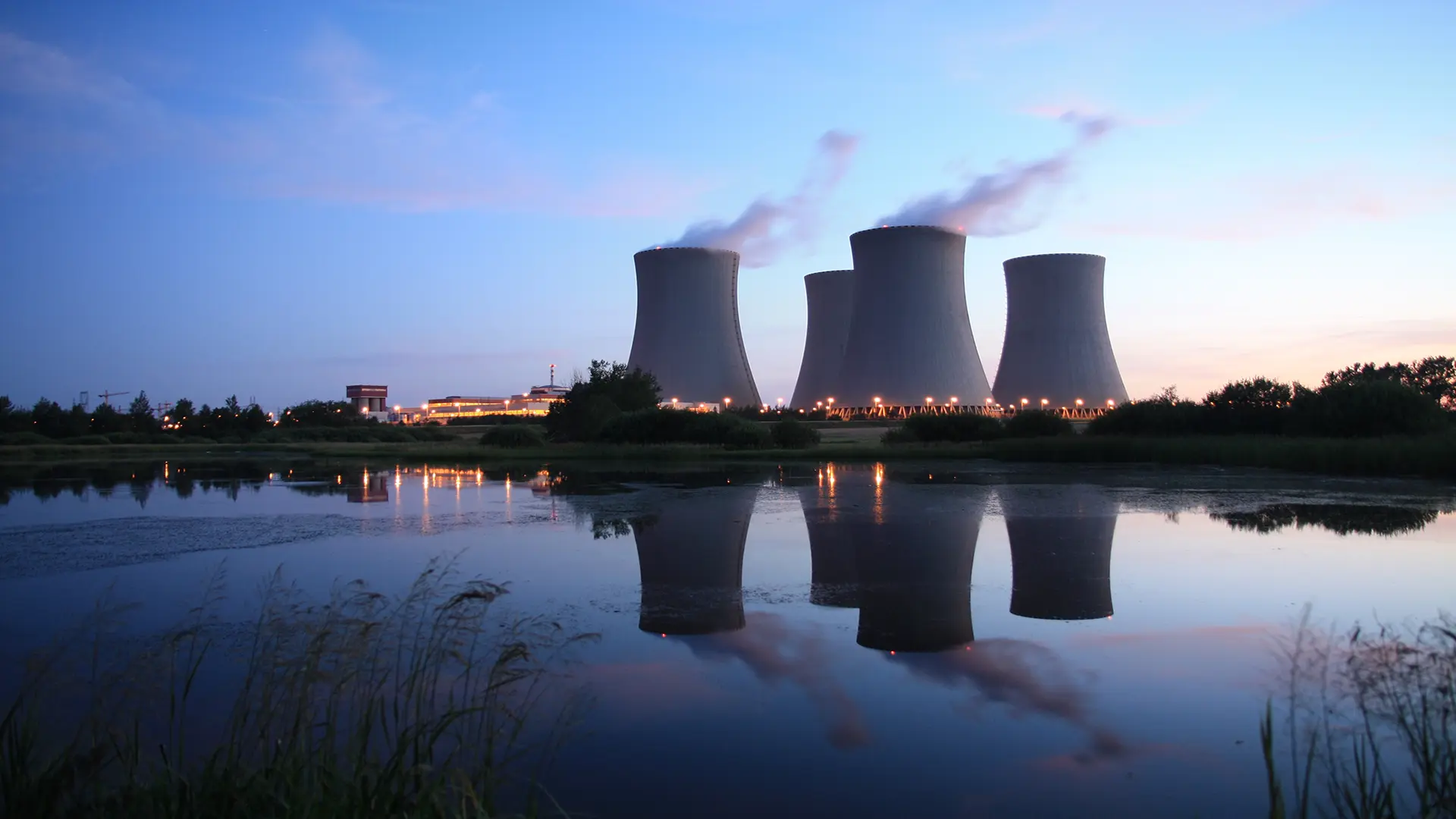
Industrialinfo.com (Industrial Information Resources Incorporated; Houston, Texas). In the greater scheme of things you might call Lebanon 'significant'. Tucked in the armpit of the eastern Mediterranean, the country and its people have a talent for resurgent survival. Think of the Phoenicians and Ptolemy's tales and you get the idea that these guys can really trade up from nothing whenever called upon to do so every few hundred years or so. They have known the world is round since way back, so they also know what goes around comes around.
Currently, under Syria's sphere of influence and with arms nominally still pitted south towards Israel, Lebanon has just done a neat $12.9 million deal with the Ukrainian State Corporation, for the construction of a 33 kilometer pipeline that will pump 1.5 million cubic meters of Syrian natural gas per day to the Baddawi power plant in northern Lebanon.
Currently Lebanon receives around 200 MW of electricity a month from Syria at a cost of up to $9 million for the month. The country prepared for a power crisis earlier in January when Syria cut its supply due to Electricite du Liban's (EDL) inability to clear a $120 million debt. Supplies were resumed in the same month.
The new pipeline is expected to go on stream by 2004. The Lebanese decision to switch from diesel fuel to natural gas is designed to cut production costs at the 440 MW plant. The Syrian LNG will reduce Lebanon's electricity production costs by half, from $0.07 kilowatt to approximately $0.032.
In mid 2002, power production in Lebanon was increasing at a rate of 3.7% to reach 812 kilowatts. This translates into an 8.4% increase in output compared to figures from the corresponding month in the previous year, as reported by the Lebanese Central Bank.
The nation's total power production for the first half of the year was 4.7 million kilowatts compared to 4.5 million kilowatts during the first half of 2001. Petroleum derivative imports increased by 7.7% during the same period to reach 2.3 million tons.
Under a contract signed last year with the Italian German consortium Ansaldo-Siemens, the Baddawi plant will receive another gas unit to produce an additional 150 MW. Also undergoing renovations in terms of the contract is the Zharani power plant in southern Lebanon and along with Baddawi, Zahrani will be set to use its steam units at full capacity. This upgrade will generate a further 150 MW in Baddawi plus 75 MW in Zahrani. The planned 375 MW increase will go on stream within the next three months, raising production by 20%.
Beirut's lights are never dim for long.
/news/article.jsp
false
Want More IIR News Intelligence?
Make us a Preferred Source on Google to see more of us when you search.
Add Us On GoogleAsk Us
Have a question for our staff?
Submit a question and one of our experts will be happy to assist you.

Forecasts & Analytical Solutions
Where global project and asset data meets advanced analytics for smarter market sizing and forecasting.
Learn More
Industrial Project Opportunity Database and Project Leads
Get access to verified capital and maintenance project leads to power your growth.
Learn MoreIndustry Intel
-
2026 Regional Chemical Processing OutlookOn-Demand Podcast / Mar. 2, 2026
-
From Data to Decisions: How IIR Energy Helps Navigate Market VolatilityOn-Demand Podcast / Nov. 18, 2025
-
Navigating the Hydrogen Horizon: Trends in Blue and Green EnergyOn-Demand Podcast / Nov. 3, 2025
-
ESG Trends & Challenges in Latin AmericaOn-Demand Podcast / Nov. 3, 2025
-
2025 European Transportation & Biofuels Spending OutlookOn-Demand Podcast / Oct. 27, 2025