Power
Older Canadian Coal-Fired Power Plants Targeted for Closure
Most of Canada's two dozen aging coal-fired power plants will be closed in the coming years as part of environmental initiative by the Canadian government...
Released Monday, October 17, 2011
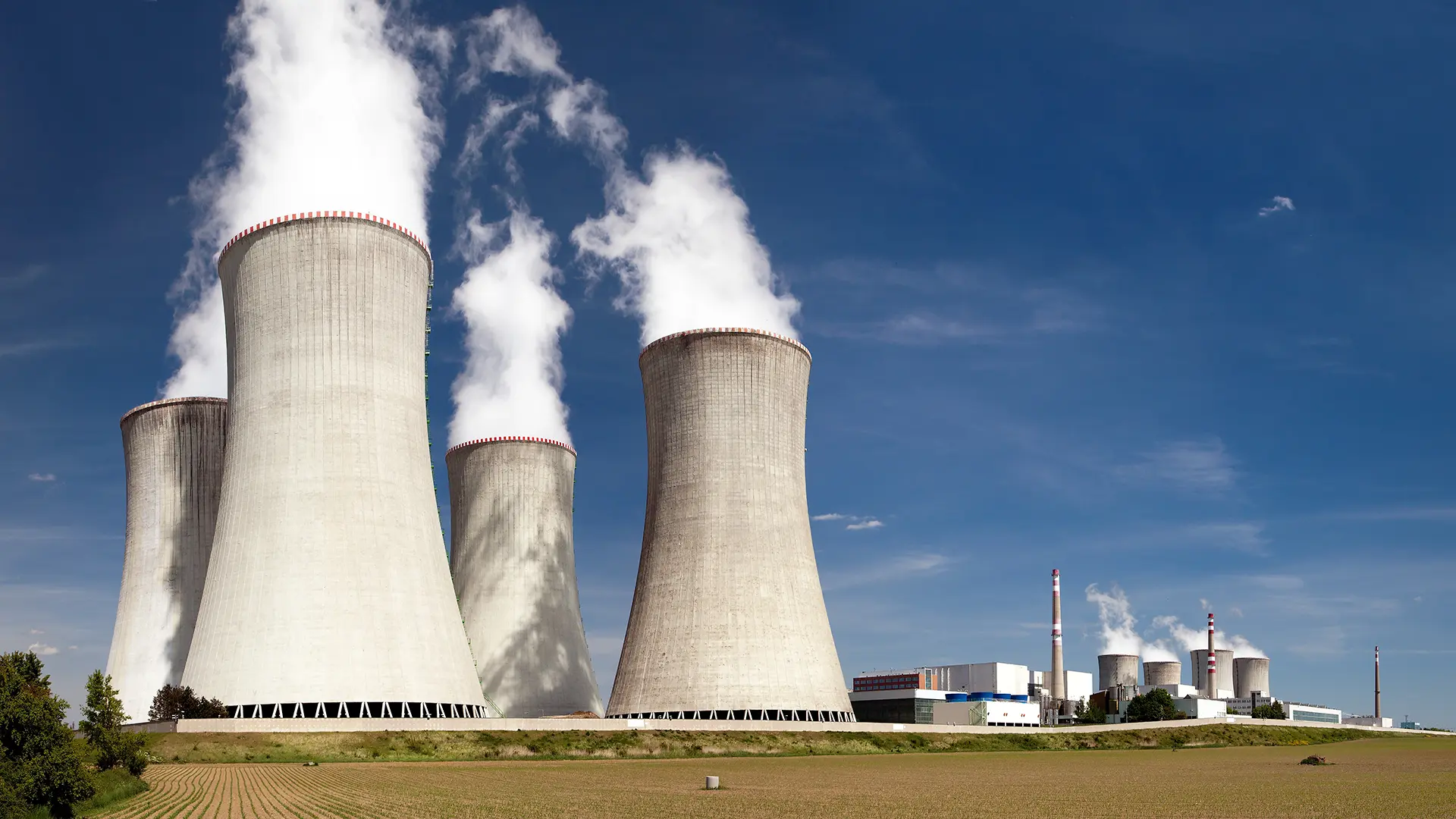
Written by John Egan for Industrial Info Resources (Sugar Land, Texas)--Most of Canada's two dozen aging coal-fired power plants will be closed in the coming years as part of environmental initiative by the Canadian government to lower emissions of carbon dioxide and other gases believed to cause climate change.
Coal-fired power plants accounted for about 78% of Canadian greenhouse gas (GHG) emissions in 2008, according to Environment Canada, the nation's environmental protection agency. Greenhouse gas (GHG) emissions that year were 19% above 1990 levels. In late 2009, the Canadian government committed to reducing its national GHG emissions to 17% below 2005 levels by 2020. The government has been implementing sector-by-sector plans to lower GHG emissions since 2009.
"Most of Canada's coal-fired generation capacity is old and nearing the end of its useful life," according to the draft regulation released this summer by Environment Canada. "As a result, the coal-fired generation sector is expected to undergo a major transition over the next several decades, with almost 85% of total coal-fired capacity reaching the end of its useful life by 2030."
In the power sector, the Canadian environmental initiative is focused on reducing carbon dioxide (CO2) emissions from older coal-fired generators. The government's approach is to close existing generators when they reach 45 years old, which the agency government defines as the end of their useful life. New coal-fired generators will be required to have CO2 emissions on a par with high-efficiency gas-fired generation. Existing generators can be retrofitted with carbon capture and sequestration (CCS) equipment to capture and store CO2 emissions. Existing generators will not be allowed to extend their useful lives by purchasing CO2 emissions allowances.
The agency has been working with interested stakeholders for more than a year to develop the draft rule, which was announced in August. Environment Canada has been taking public comments on the draft rule for two months. The rule is scheduled to be finalized in 2012, and become effective July 1, 2015.
The proposed regulation will reduce CO2 emissions from coal-fired power plants by 175 megatonnes between 2015 and 2030. The regulation will produce benefits of $9.7 billion at a cost of $8.2 billion. Both are expressed in net present value terms, using a 3% discount rate. All dollar figures are expressed in 2010 Canadian dollars, which are presently nearly identical in value to U.S. dollars.
The regulation's costs are a function of increased use of natural gas, reduced exports and new capital costs, Environment Canada said. The benefits calculation reflects the avoided social costs of CO2, avoided generation costs and the health benefits from cleaner air. Notably, the avoided social cost of carbon accounts for about 44%, or $4.3 billion, of overall projected benefits. In calculating the avoided social cost of CO2, the Canadian government priced carbon at $25 per metric ton. A higher carbon price would lead to greater net benefits, while a lower carbon price would reduce benefits.
Nationally, Canada gets about 17% of its electricity from coal. Industrial Info is tracking 24 operating coal-fired power plants in Canada: six in Alberta, five in Ontario, four each in Nova Scotia and Saskatchewan, three in New Brunswick, and one each in Quebec and Manitoba. Collectively, these power plants have about 16,600 megawatts (MW) of generating capacity and employ about 3,200 people.
Canada's provinces rely on coal for varying percentages of their electricity, according to Scott Clarke, manager of communications and outreach for the Coal Association of Canada (Calgary, Alberta):
- Alberta is Canada's most coal-dependent province: About 65% of its electricity was generated from coal in 2008.
- Saskatchewan generated about 60% of its electricity from coal in 2008.
- Nova Scotia generated about half its electricity from coal.
- New Brunswick and Ontario rely on coal for less than 20% of their electricity.
- Manitoba uses coal to generate less than 10% of its electricity.
"It's too early to say exactly how this regulation will affect Canadian coal-fired power," Clarke told Industrial Info. "But we are confident that we can meet the new emissions standards proposed by the federal government. In fact, two recently completed coal-fired generators, Genesee Unit 3 and Keephills Unit 3, meet the proposed new standards."
"Coal producers hope to offset lost domestic sales of thermal coal by increasing exports of it," he said in an interview. He added that a relatively small portion of Canada's thermal coal production is being exported today.
Located in Warburg, Alberta, the Genesee Power Station Unit 3 is a 450-MW supercritical generator with a total investment value of $600 million that was completed in 2004. The Keephills Power Station Unit 3 project, a 450-MW supercritical generator located in Duffield, Alberta, and valued at $1.9 billion, began operating a month ago.
View Plant Report - 2001743 2001404
View Project Reports - 56000099 56000502
Industrial Info Resources (IIR) is the leading provider of global market intelligence specializing in the industrial process, heavy manufacturing and energy markets. IIR's quality-assurance philosophy, the Living Forward Reporting Principle, provides up-to-the-minute intelligence on what's happening now, while constantly keeping track of future opportunities.
/news/article.jsp
false
Want More IIR News Intelligence?
Make us a Preferred Source on Google to see more of us when you search.
Add Us On GoogleAsk Us
Have a question for our staff?
Submit a question and one of our experts will be happy to assist you.

Forecasts & Analytical Solutions
Where global project and asset data meets advanced analytics for smarter market sizing and forecasting.
Learn MoreRelated Articles
-
BlackRock Stands by Solar, Wind as U.S. Energy Demand GrowsApril 15, 2026
-
European Union Probes EDF's $84 Billion Nuclear Power PlanApril 14, 2026

Industrial Project Opportunity Database and Project Leads
Get access to verified capital and maintenance project leads to power your growth.
Learn MoreIndustry Intel
-
2026 Regional Chemical Processing OutlookOn-Demand Podcast / Mar. 2, 2026
-
From Data to Decisions: How IIR Energy Helps Navigate Market VolatilityOn-Demand Podcast / Nov. 18, 2025
-
Navigating the Hydrogen Horizon: Trends in Blue and Green EnergyOn-Demand Podcast / Nov. 3, 2025
-
ESG Trends & Challenges in Latin AmericaOn-Demand Podcast / Nov. 3, 2025
-
2025 European Transportation & Biofuels Spending OutlookOn-Demand Podcast / Oct. 27, 2025