Power
North Dakota's Electric Grid Strained by Dramatic Growth of Oil & Gas Drilling
North Dakota's aging transmission and distribution system has been unable to keep up with rising electric demand created by a recent surge in Oil & Gas drilling.
Released Thursday, October 27, 2011
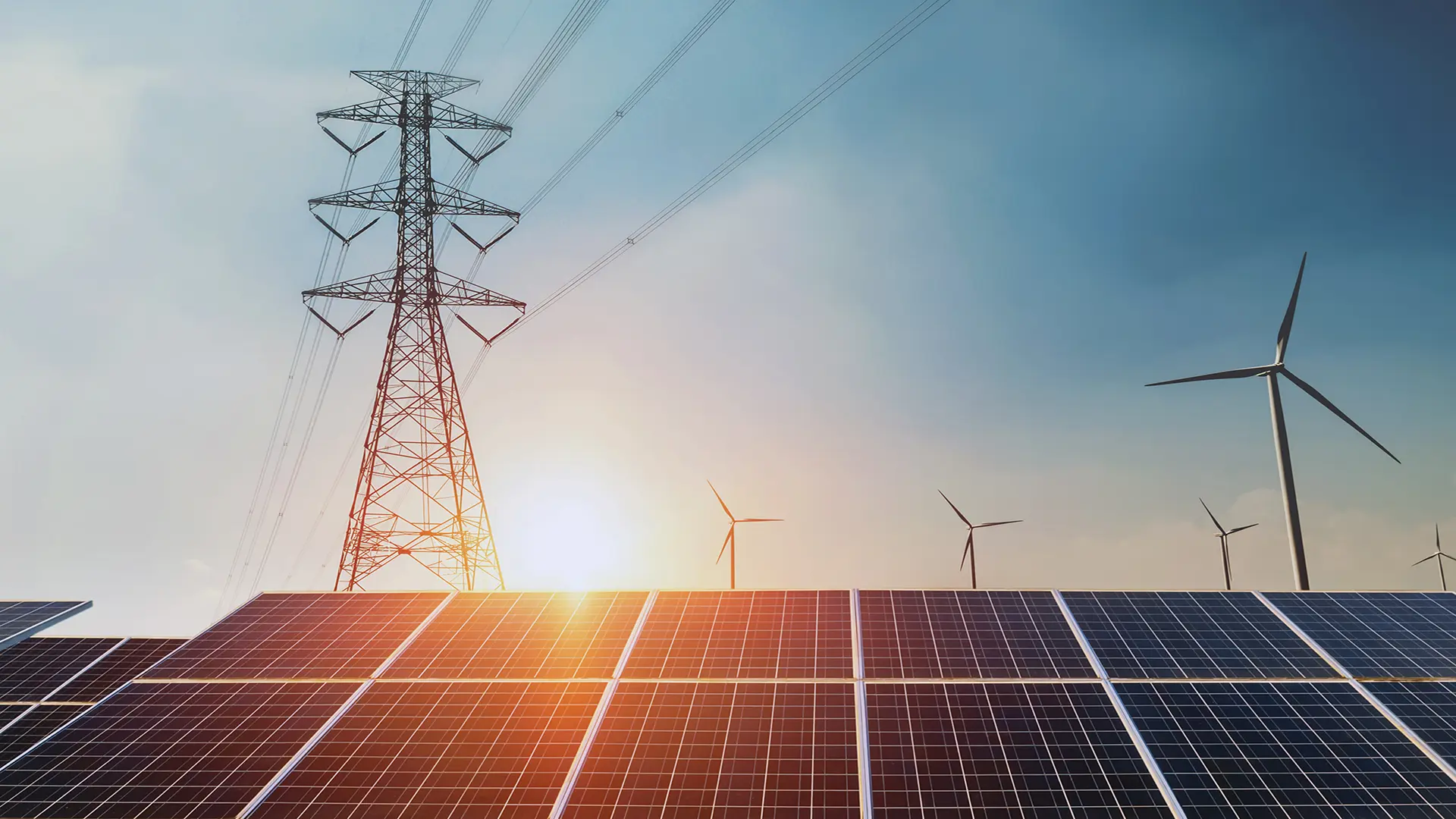
Written by John Egan for Industrial Info Resources (Sugar Land, Texas)--Portions of North Dakota suffered power blackouts last winter and may suffer more in the next year or two, because an aging transmission and distribution system has been unable to keep up with rising electric demand created by a recent surge in Oil & Gas drilling, according to Cole Gustafson, a professor at North Dakota State University (NDSU). On Tuesday, he spoke to about 350 attendees in Denver at Infocasts's 2nd Annual Bakken Infrastructure Finance & Development Summit.
"There is adequate amount of electric generation--there's even a surplus--to meet the electric demand created by extensive drilling in the Bakken," he said. "The pinch-point is transmission and distribution--the classic 'last mile' problem. The state's electric grid is old and inadequate."
Oil production in North Dakota has surged in recent years--to an estimated 12 million barrels per month this year, up from about 4 million barrels per month in 2008. The number of rigs operating in the state continues to rise sharply, and will reach about 225 by year-end. That's more than double the number of rigs operating two years ago, the NDSU professor told attendees.
The surge in drilling has led to a doubling of electric demand over the last three years at one electric provider, Mountrail-Williams Electric Cooperative (Williston, North Dakota), and demand is projected to nearly double again by 2015, Gustafson said. Overall, the state's oil-related electric demand is expected to grow by about 1,300 megawatts (MW) between 2020 and 2025, he predicted.
Gustafson pointed out that Oil & Gas exploration and production consumes a lot of electricity, not only at the drilling site, but also at pumping and compressor stations, pipelines, equipment shops and the temporary housing where workers live. The planned construction of the Keystone XL pipeline, scheduled to begin next year, will further stress the state's electricity transmission and distribution system, as the pipeline's 11 pumping stations will add an estimated 120 MW of electric demand to an already over-stretched in-state grid. For more on the Keystone XL pipeline, see October 19, 2011, article - Keystone Crude Oil Pipeline Expansion Draws Strong Support, Fierce Opposition.
The strain on the state's electric grid should be alleviated in the next few years as three planned electric transmission projects and one planned distribution project with a total investment value (TIV) of about $100 million, are completed, he said.
But because electric transmission projects can take a long time to permit, Gustafson reviewed some of the other options oil drillers have to ensure a reliable supply of electricity for their operations:
Building wind turbines near oil wells would be impractical because of the high cost and intermittency of windpower.
Diesel-fueled portable generators (gensets) can be a temporary solution in some cases, but the cost of electricity produced by those generators typically is about 35 cents per kilowatt-hour, more than 10 times the cost to produce electricity at a baseload generator.
Building gas-fired generation near an oilwell is not practical either, as the capital cost of about $1 million per MW would be onerous for operators. Although gas to fuel the generator could be sourced locally, it would still need to be transported and stored at the generator. He estimated the cost of producing power at these generators as 12 cents per kWh.
Gustafson said transmission projects have been slow to develop in North Dakota for a lot of the same reasons they have been slow to develop elsewhere: community resistance, environmental impact, a drawn-out regulatory process and wary investors.
However, several factors unique to North Dakota have further complicated the state's efforts to upgrade and expand its electric grid. The hydraulic fracturing process widely used in the state to extract oil and gas has caused some to question the environmental impact of such widespread drilling. Also, state officials are wary of committing to expensive transmission projects because some of them question the permanence of the drillers, and thus the drilling-related demand. "The city of Williston, and the state, were burned when the last oil boom ended in the mid-1980s," Gustafson told attendees. "They don't want to be left holding the bag again for investments that become uneconomic when the drillers leave town this time."
But by far the biggest hurdle to overcome is the availability of skilled craft labor to actually build the transmission and distribution projects. It's not even a question of getting affordable labor--it's the outright supply. North Dakota has a 2.9% unemployment rate, which has forced companies to bring in skilled craft labor from hundreds of miles away. Practically speaking, there are no more skilled laborers available. The completion of one construction project frees some workers to work on other projects. So the sooner these other projects are completed, the sooner the state can begin building a more reliable electric infrastructure.
Industrial Info Resources (IIR), with global headquarters in Sugar Land, Texas, and eight offices outside of North America, is the leading provider of global market intelligence specializing in the industrial process, heavy manufacturing and energy markets. Industrial Info's quality-assurance philosophy, the Living Forward Reporting Principle, provides up-to-the-minute intelligence on what's happening now, while constantly keeping track of future opportunities.
/news/article.jsp
false
Want More IIR News Intelligence?
Make us a Preferred Source on Google to see more of us when you search.
Add Us On GoogleAsk Us
Have a question for our staff?
Submit a question and one of our experts will be happy to assist you.

Forecasts & Analytical Solutions
Where global project and asset data meets advanced analytics for smarter market sizing and forecasting.
Explore Our Solutions
Industrial Project Opportunity Database and Project Leads
Get access to verified capital and maintenance project leads to power your growth.
Discover Our DatabaseIndustry Intel
-
2026-2027 Investment Radar for Mexico, Central America & the CaribbeanPodcast Episode / May 29, 2026
-
Innovations Shaping the Next Era of Power GenerationPodcast Episode / May 22, 2026
-
The Role of Contract Manufacturing in Global Pharma GrowthPodcast Episode / May 8, 2026
-
2026 North American Labor OutlookPodcast Episode / Apr 24, 2026
-
2026 European Metals & Minerals Project Spending OutlookPodcast Episode / Apr 7, 2026