Power
IEA Report: Urban Africa Needs $450 Billion to Boost Power Access
A new report says Africa needs an additional $450 billion in power sector investment
Released Wednesday, November 26, 2014
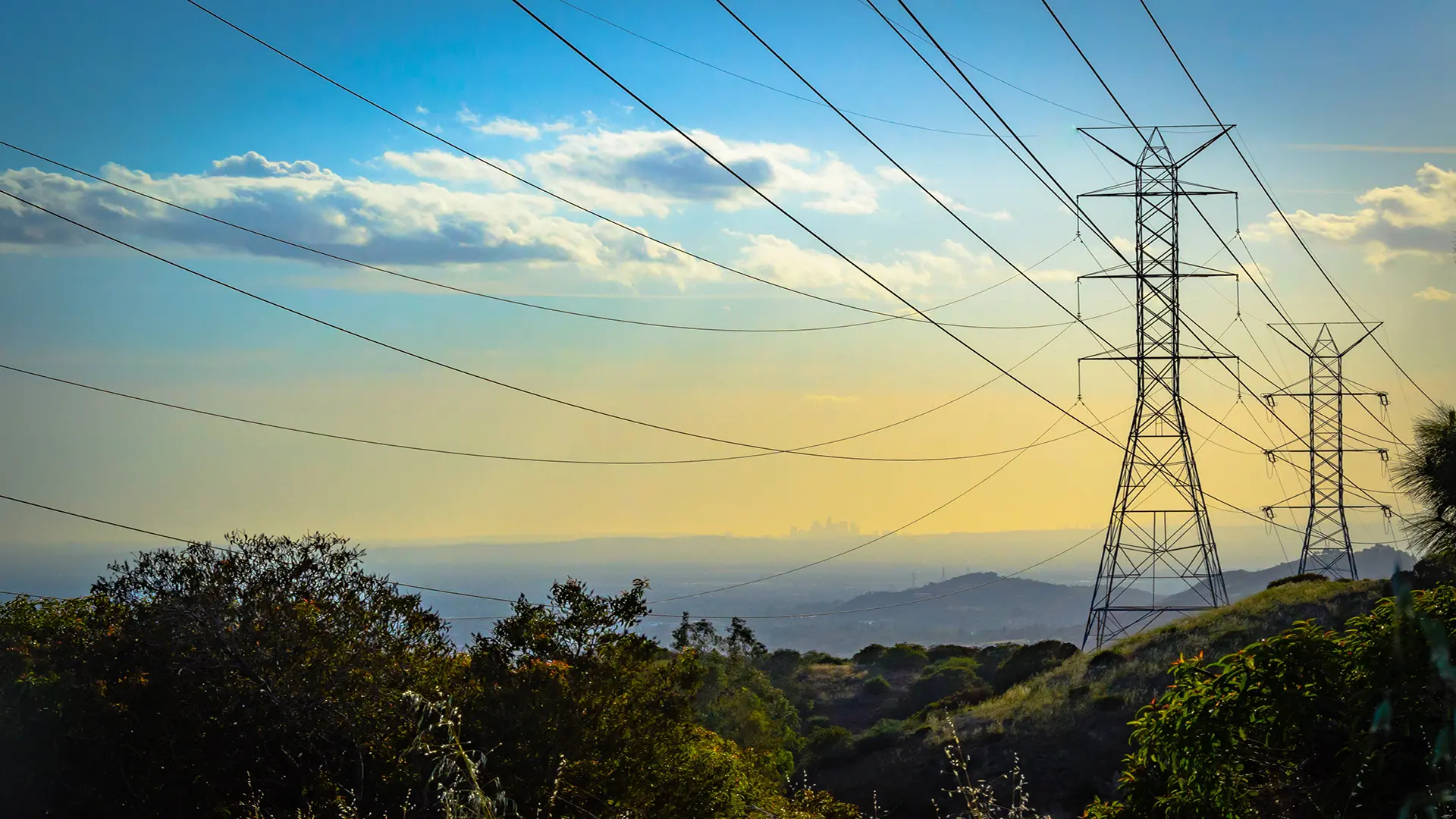
Written by Richard Finlayson, Senior International Editor for Industrial Info Resources (Sugar Land, Texas)--Sub-Saharan Africa has seen rapid economic growth in the last decade. Energy use has increased 45%, but it is still too low to address the region's poor living standards.
The International Energy Agency's (IEA) latest report, "Africa Energy Outlook," says that although many governments are now intensifying their efforts to tackle numerous regulatory and political barriers, which hold back investment in domestic energy supply, inadequate energy infrastructure poses the risk of putting a brake on improvements in living standards.
The report, which is the most comprehensive study of the region to be undertaken by the IEA, underlines the scarcity of modern energy services in many countries. In the region as a whole, only 290 million out of 915 million people have access to electricity, and the total number without access is rising. Efforts to promote electrification are gaining momentum, but are outpaced by population growth. Although investment in new energy supply is on the rise, $2 out of every $3 put into the sub-Saharan energy sector since 2000 have been committed to the development of resources for exports.
For the minority who have a grid connection today, supply is often unreliable, which necessitates widespread and costly private use of back-up generators that run on diesel or gasoline. Electricity tariffs in the region are among the highest in the world and, outside South Africa, losses in poorly maintained transmission and distribution networks are double the global average.
Reform programs are starting to improve efficiency and to bring in new capital, including funding from private investors, and grid-based generation capacity will quadruples in the IEA's main scenario to 2040, albeit from a very low base of 90 gigawatts (GW) today, of which 50% is in South Africa.
In the IEA scenario, urban areas will experience the largest improvement in the coverage and reliability of centralized electricity supply. Elsewhere, mini-grid and off-grid systems provide electricity to 70% of those gaining access in rural areas. The total number without access should start to decline in the 2020s, with 950 million people gaining access to electricity by 2040. But there will still be 500,000 people, mainly in rural areas, without electricity in 2040.
Development in the Sub-Saharan economy could quadruple in size, and energy demand could grow 80%, but energy could do much more to act as an engine of inclusive and social growth. The international arena brings capital and technology, but mixed blessings in other areas. An oil price above $100 per barrel produces a continued windfall for resource-rich countries.
The cumulative $3.5 trillion in fiscal revenue is higher than the $3 trillion that is invested in all parts of the region's energy supply to 2040. But there are few guarantees that this revenue will be re-invested efficiently, while the region's oil product import bills grow, along with vulnerability to supply interruptions.
The IEA says three actions in the energy sector, if accompanied by more general governance reforms, could boost the Sub-Saharan economy 30% by 2040, which amounts to an extra decade's worth of growth in per capita incomes.
The actions include:
- An additional $450 billion in power sector investment, reducing power outages by half and achieving full access to electricity in urban areas.
- Deeper regional cooperation and integration, facilitating new large-scale generation and transmission projects and enabling a further expansion in cross-border trade.
- Better management of resources and revenues, adopting robust and transparent processes that allow for more effective use of oil and gas revenues.
Industrial Info Resources (IIR), with global headquarters in Sugar Land, Texas, three offices in North America and 10 international offices, is the leading provider of global market intelligence specializing in the industrial process, heavy manufacturing and energy markets. Industrial Info's quality-assurance philosophy, the Living Forward Reporting Principle, provides up-to-the-minute intelligence on what's happening now, while constantly keeping track of future opportunities.
/news/article.jsp
false
Want More IIR News Intelligence?
Make us a Preferred Source on Google to see more of us when you search.
Add Us On GoogleAsk Us
Have a question for our staff?
Submit a question and one of our experts will be happy to assist you.

Forecasts & Analytical Solutions
Where global project and asset data meets advanced analytics for smarter market sizing and forecasting.
Learn More
Industrial Project Opportunity Database and Project Leads
Get access to verified capital and maintenance project leads to power your growth.
Learn MoreIndustry Intel
-
2026 Regional Chemical Processing OutlookOn-Demand Podcast / Mar. 2, 2026
-
From Data to Decisions: How IIR Energy Helps Navigate Market VolatilityOn-Demand Podcast / Nov. 18, 2025
-
Navigating the Hydrogen Horizon: Trends in Blue and Green EnergyOn-Demand Podcast / Nov. 3, 2025
-
ESG Trends & Challenges in Latin AmericaOn-Demand Podcast / Nov. 3, 2025
-
2025 European Transportation & Biofuels Spending OutlookOn-Demand Podcast / Oct. 27, 2025