Power
South Korea's Growing Nuclear, Coal-Fired Units Likely to Displace Gas-Fired Generators Through 2016
Korea Electric Power Corporation, working through its generating subsidiaries, is scheduled to commission three nuclear power units with a combined capacity of 3,800 megawatts
Released Friday, May 16, 2014
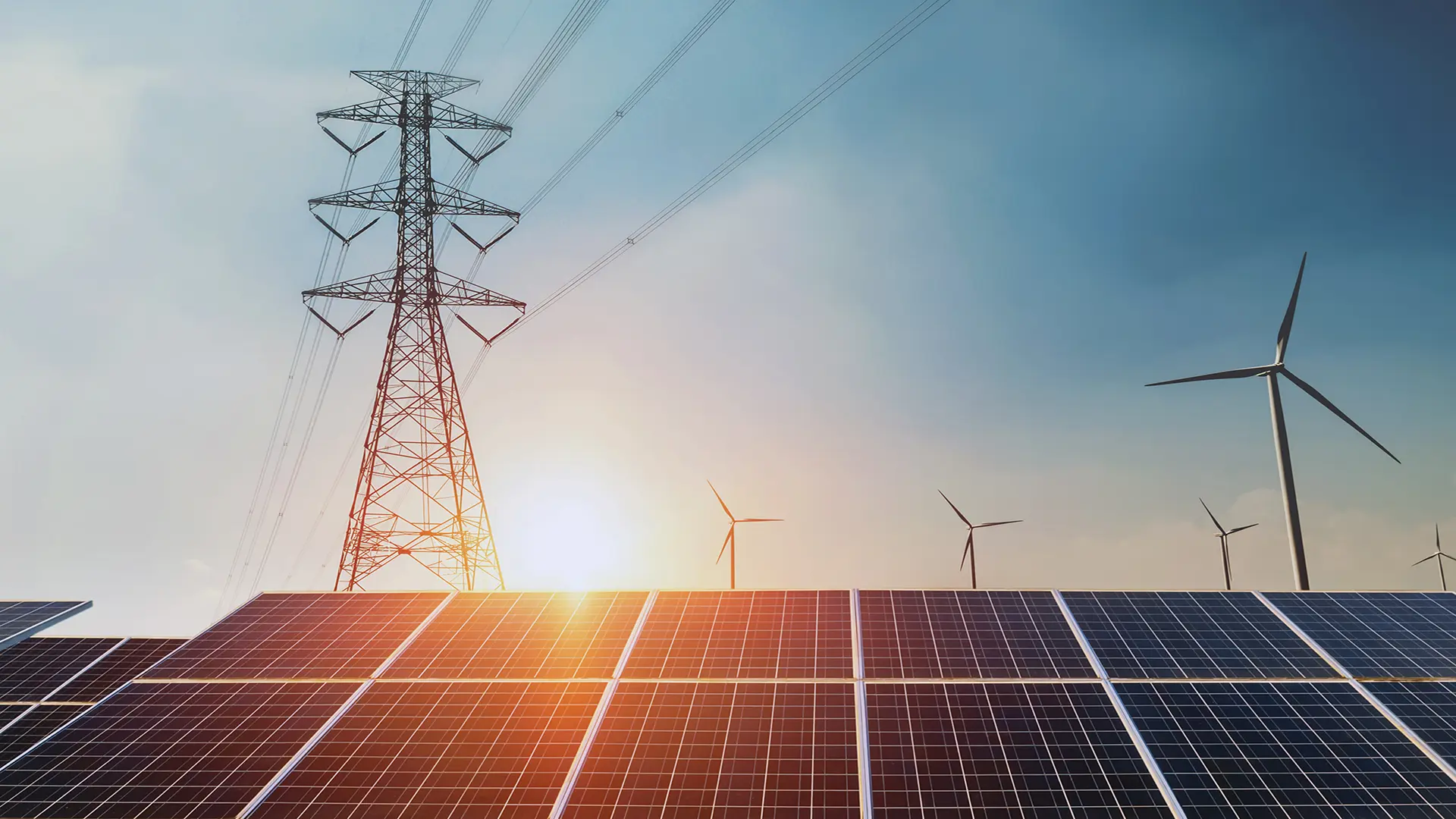
Written by Richard Finlayson, Senior International Editor for Industrial Info Resources (Sugar Land, Texas)--Korea Electric Power Corporation (KEPCO), working through its generating subsidiaries, is scheduled to commission three nuclear power units with a combined capacity of 3,800 megawatts (MW) in 2014-15; four coal-fired units with 3,760 MW of capacity in late 2014-early 2015; and seven coal-fired units with 6,470 MW of capacity in 2016-17.
The company's plans to build more nuclear reactors will not be stymied by the shutdown of three reactors in the second half of 2013, after faulty components were discovered. These parts were replaced after an urgent government-driven inspection program seems to have prevented any incident, but raised broader safety issues for the Korean nuclear industry.
The three reactors in question are managed by KEPCO's fully owned Korea Hydro and Nuclear Power Company (KHNPC), and resumed operations in January this year.
The growth in the country's power capacity will negatively affect gas-fired generators, but will help KHNPC. "Increasing power reserve margins and new base load power plants will heighten competition among power generating companies, and will as a result reduce wholesale power prices," said Mic Kang, a Moody's vice president and senior analyst.
Pressure on profit margins will be highest for independent power producers (IPPs) during the next two or three years, as they run mainly gas-fired generators.
Reserve margins in South Korea are expected to top 15% in 2015-16, as generator-capacity additions outpace electricity demand growth. New coal and nuclear power plants probably will displace more costly natural-gas and oil-fired units during the next two to three years.
For related information, see February 3, 2014, article - South Korea Grants First New Nuclear Project Since Fake Certifications.
Industrial Info Resources (IIR), with global headquarters in Sugar Land, Texas, three offices in North America and 10 international offices, is the leading provider of global market intelligence specializing in the industrial process, heavy manufacturing and energy markets. Industrial Info's quality-assurance philosophy, the Living Forward Reporting Principle, provides up-to-the-minute intelligence on what's happening now, while constantly keeping track of future opportunities.
/news/article.jsp
false
Want More IIR News Intelligence?
Make us a Preferred Source on Google to see more of us when you search.
Add Us On GoogleAsk Us
Have a question for our staff?
Submit a question and one of our experts will be happy to assist you.

Forecasts & Analytical Solutions
Where global project and asset data meets advanced analytics for smarter market sizing and forecasting.
Learn MoreRelated Articles
-
BlackRock Stands by Solar, Wind as U.S. Energy Demand GrowsApril 15, 2026
-
European Union Probes EDF's $84 Billion Nuclear Power PlanApril 14, 2026

Industrial Project Opportunity Database and Project Leads
Get access to verified capital and maintenance project leads to power your growth.
Learn MoreIndustry Intel
-
2026 Regional Chemical Processing OutlookOn-Demand Podcast / Mar. 2, 2026
-
From Data to Decisions: How IIR Energy Helps Navigate Market VolatilityOn-Demand Podcast / Nov. 18, 2025
-
Navigating the Hydrogen Horizon: Trends in Blue and Green EnergyOn-Demand Podcast / Nov. 3, 2025
-
ESG Trends & Challenges in Latin AmericaOn-Demand Podcast / Nov. 3, 2025
-
2025 European Transportation & Biofuels Spending OutlookOn-Demand Podcast / Oct. 27, 2025