Power
Upholding CSAPR Could Deal Further Blow to Power Generating Fuel Diversity
The Supreme Court's upholding of the Cross-State Air Pollution Rule on Tuesday is certain to increase the number and speed of coal-fired retirements in the coming years.
Released Thursday, May 01, 2014
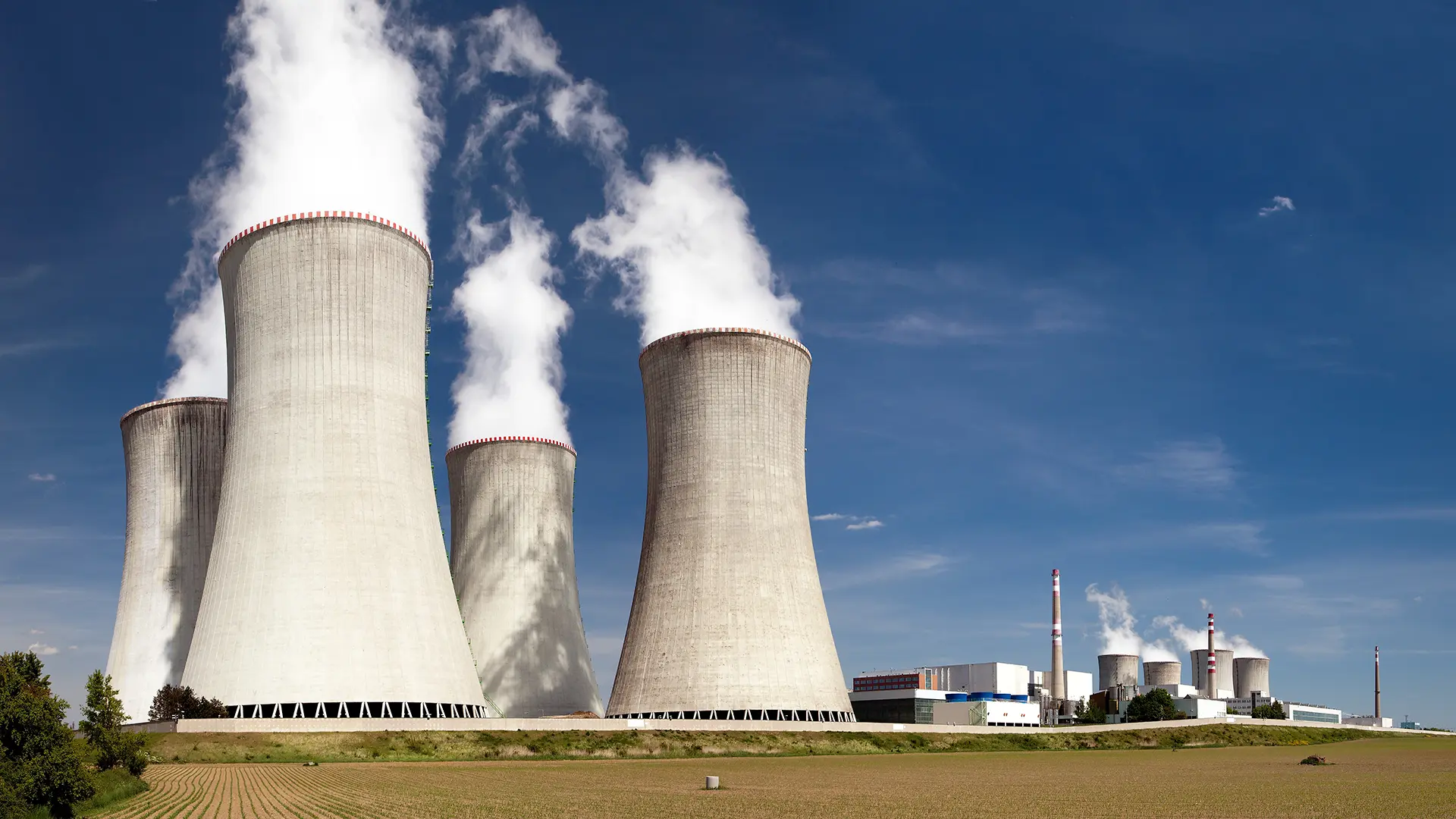
Researched by Industrial Info Resources (Sugar Land, Texas)--In a 6-2 decision, the U.S. Supreme Court voted to uphold the Environmental Protection Agency's Cross-State Air Pollution Rule (CSAPR) on Tuesday. The rule limits emissions of sulfur dioxide and nitrogen oxides in 28 states in the central and eastern U.S. in an effort to improve the air quality of downwind states. CSAPR will mainly affect coal-fired power plants, which are already facing difficulties due to other regulations such as the Mercury and Air Toxics Standards (MATS) regulation, which will begin implementation next year. In addition, low natural gas prices are chipping away at coal's viability as a fuel source.
The Cross-State Air Pollution Rule, adopted by the EPA in 2011, faced opposition almost immediately, and various states, power generation companies and industry groups challenged the legality of the rule. The challenge was upheld in 2012 by the U.S. Court of Appeals for the District of Columbia Circuit, which stated that the method of setting pollution reduction targets was unfair to some states and that states had not had a chance to formulate their own emissions-reduction policies.
The overturning of the appeal on Tuesday is certain to increase the number and speed of coal-fired retirements in the coming years. Industrial Info estimates that CSAPR and other emissions regulations could lead to the retirement of approximately 600 coal-fired units in the coming years. The Energy Information Administration's (EIA) reference case in the 2014 Annual Energy Outlook makes the projection that by 2020 approximately 50 GW, or 16% of the 310 gigawatts (GW) of coal-fired capacity available at the end of 2012, will be retired. However, even in this scenario, coal continues to provide the largest amount of electricity in the U.S. fuel mix until overtaken by natural gas in 2034.
Brock Ramey, Industrial Info's research manager for the North American Power Industry, says, "Most of the new power plant construction that we're seeing in the U.S. is not caused by increased electricity demand, but to replace generation from retiring power plants. Much of this new construction is natural gas-fired plants replacing coal-fired capacity."
Fuel Diversity
Of course, many are questioning the wisdom of decreasing fuel diversity in the U.S., particularly after this winter's polar vortex brought extremely low temperatures to the Midwest and Northeast U.S., causing both natural gas spot prices and wholesale electricity prices to soar in certain areas, as natural gas could not easily reach parts of the country with inadequate gas delivery infrastructure.
On April 10, in testimony presented to the Senate Energy and Natural Resources Committee, Nicholas Akins, the chairman, president and CEO of American Electric Power Company Incorporated (NYSE:AEP) (Columbus, Ohio), reconfirmed a previous statement that over the winter AEP had run 89% of the generation that the company plans to retire in 2015 in order to maintain regional reliability on the PJM grid, which reached a record winter peak load of 141,846 megawatts on January 7 this year.
Speaking primarily of the coal-fired capacity that will be retired because of the MATS rule, Akins said, "We need to take action now to ensure adequate power plant capacity, fuel diversity and grid investment after the retirement of significant amounts of base load generation in mid-2015 and beyond. Because the base load generation that will retire in 14 months will not be fully replaced, this reliability concern in imminent and is a concern we need to proactively address." The Supreme Court's upholding of CSAPR only serves to make this call to action more urgent.
Industrial Info's Ramey notes that, while not as widespread as coal retirements, nuclear retirements are also on the rise. "We've seen some nuclear closures, such as SONGS in California and Crystal River in Florida, because of safety and equipment concerns. But more and more, we're seeing the retirement of smaller nuclear plants because these are simply not economic to operate in today's low-price natural gas environment." Such closures include Dominion Resources' (Richmond, Virginia) 568-MW Kewaunee Nuclear Power Plant in Wisconsin, which closed in 2013, and Entergy Corporation's (NYSE:ETR) (New Orleans, Louisiana) 620-MW Vermont Yankee Nuclear Power Plant in Vermont, scheduled for closure by the end of this year. The EIA estimates that about 10,800 MW of nuclear capacity will be taken offline by 2020.
An Experiment With Unknown Consequences?
One of the outcomes of the new rule is that several projects to control emissions of SOx and NOx that have deliberately slowed development or been placed on hold will now return to an active status. While there's no way to quantify exactly how much generating capacity will be taken offline because of the high costs of complying with CSAPR, generators will undoubtedly choose to close some plants and units rather than incorporating these expensive environmental compliance technologies required by the rule.
Unfortunately, the limitations and stresses that these closures will place on regional grids is something that will remain unknown until weather events or other emergency situations cause power plant outages. Hopefully, any such event would be relatively short-lived and cause little harm, although simply "hoping" may not be enough when faced with actual, rather than hypothetical, critical situations.
Industrial Info Resources (IIR), with global headquarters in Sugar Land, Texas, three offices in North America and ten international offices, is the leading provider of global market intelligence specializing in the industrial process, heavy manufacturing and energy markets. Industrial Info's quality-assurance philosophy, the Living Forward Reporting Principle, provides up-to-the-minute intelligence on what's happening now, while constantly keeping track of future opportunities.
/news/article.jsp
false
Want More IIR News Intelligence?
Make us a Preferred Source on Google to see more of us when you search.
Add Us On GoogleAsk Us
Have a question for our staff?
Submit a question and one of our experts will be happy to assist you.

Forecasts & Analytical Solutions
Where global project and asset data meets advanced analytics for smarter market sizing and forecasting.
Explore Our SolutionsRelated Articles

PECWeb Global Market Intelligence Platform
Identify opportunities, anticipate change, and execute with confidence. PECWeb connects the industrial intelligence you need, from projects and assets to operational events, all in one platform.
Discover PecwebIndustry Intel
-
Brazil: Efficiency, Innovation, and Opportunities in the Food & Beverage IndustryPodcast Episode / Jun 12, 2026
-
2026-2027 Investment Radar for Mexico, Central America & the CaribbeanPodcast Episode / May 29, 2026
-
Innovations Shaping the Next Era of Power GenerationPodcast Episode / May 22, 2026
-
The Role of Contract Manufacturing in Global Pharma GrowthPodcast Episode / May 8, 2026
-
2026 North American Labor OutlookPodcast Episode / Apr 24, 2026