Production
U.S. Crude Railcar Derailments Up Dramatically in 2013, but Safety Levels Still on Track
Record amounts of crude oil were spilled in railroad accidents in 2013, but that does not mean that rail transport is unsafe
Released Tuesday, January 28, 2014
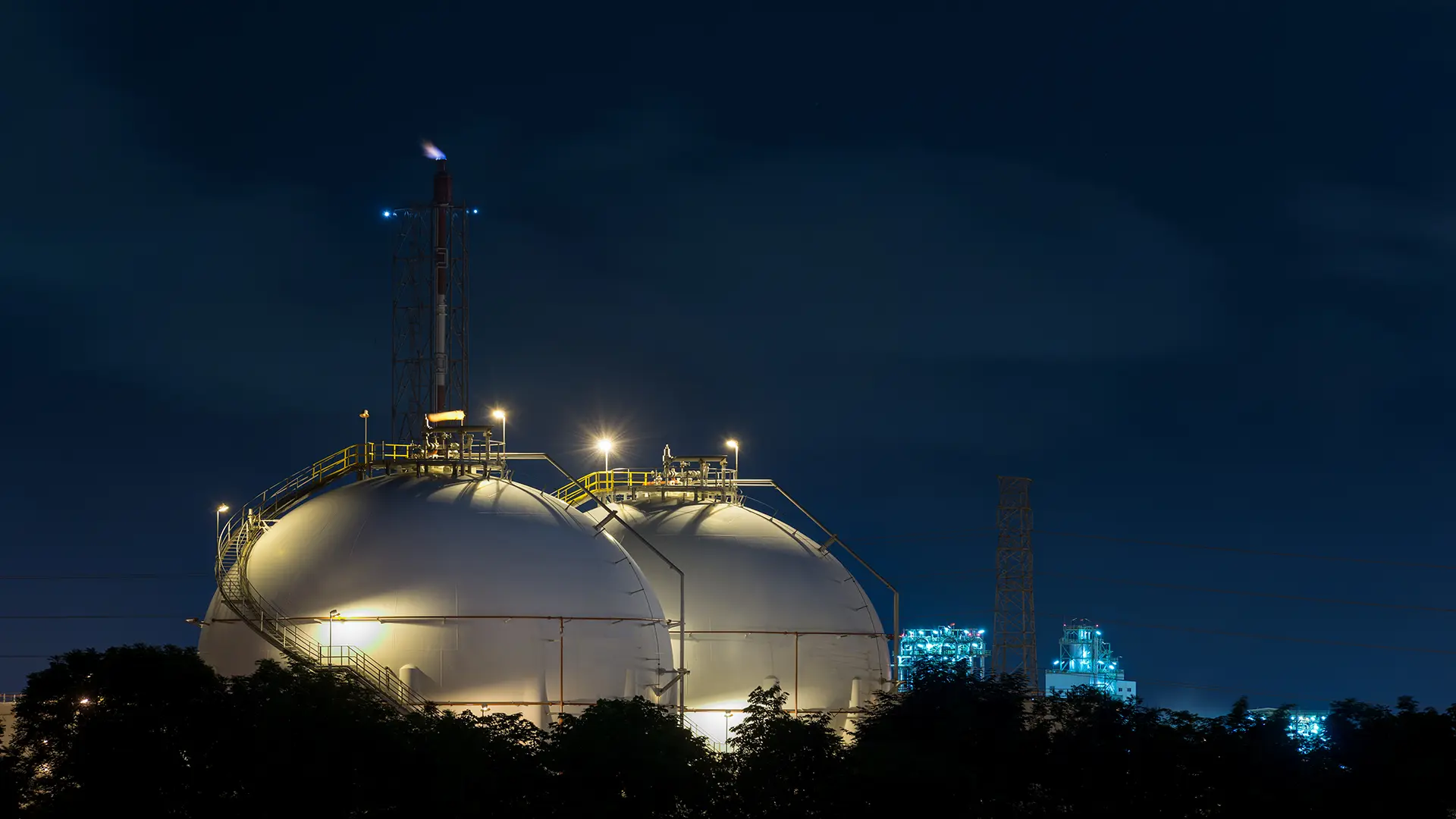
Researched by Industrial Info Resources (Sugar Land, Texas)--In 2013, the U.S. shipped record levels of crude oil, primarily from the Bakken Shale formation, via railroad to refiners on the Gulf Coast and in the Chicago area. It also spilled record levels of crude oil, totaling more than 1.1 million gallons, not including what was spilled in Alabama in November. In contrast, many are pointing to statistics indicating that only 800,000 gallons of rail-transported crude were spilled between 1975 and 2012. While the gross amount spilled last year is certainly large, relatively speaking, the safety of rail transport is considered to be quite high.
A total of 11.5 billion gallons of crude oil was shipped via rail in the U.S. in 2013. Figured against the number of barrels spilled, rail transport last year was safe all but a small fraction of the time.
Another figure to note is the total amount of crude oil spilled between 1975 and 2009. During this time, no rail-related crude oil spills were recorded. It was not until the 2009-12 period that the 800,000 gallons of crude oil spills occurred. Volumetrically speaking, during both of these previous periods, the amount of crude oil shipped by rail also was considerably lower, and the trains that carried it were not solely dedicated to carrying crude. It wasn't until recent years that dedicated crude-oil trains began operating; prior to then, a train would carry a diverse cargo with only a portion allocated to crude oil transport. Whether this correlation implies a causal relationship between the cargo of a train and the likelihood of a derailment/spill, however, is debatable.
The rail-car accidents of 2013 predominantly involved crude oil that was produced in the Bakken Shale area of North Dakota and Montana. While pipeline infrastructure is under development in the area, rail-loading facilities also are still being actively developed, despite this past year's negative press.
Industrial Info Resources (IIR), with global headquarters in Sugar Land, Texas, three offices in North America and nine international offices, is the leading provider of global market intelligence specializing in the industrial process, heavy manufacturing and energy markets. Industrial Info's quality-assurance philosophy, the Living Forward Reporting Principle, provides up-to-the-minute intelligence on what's happening now, while constantly keeping track of future opportunities.
/news/article.jsp
false
Want More IIR News Intelligence?
Make us a Preferred Source on Google to see more of us when you search.
Add Us On GoogleAsk Us
Have a question for our staff?
Submit a question and one of our experts will be happy to assist you.

Forecasts & Analytical Solutions
Where global project and asset data meets advanced analytics for smarter market sizing and forecasting.
Learn More
Industrial Project Opportunity Database and Project Leads
Get access to verified capital and maintenance project leads to power your growth.
Learn MoreIndustry Intel
-
2026 Regional Chemical Processing OutlookOn-Demand Podcast / Mar. 2, 2026
-
From Data to Decisions: How IIR Energy Helps Navigate Market VolatilityOn-Demand Podcast / Nov. 18, 2025
-
Navigating the Hydrogen Horizon: Trends in Blue and Green EnergyOn-Demand Podcast / Nov. 3, 2025
-
ESG Trends & Challenges in Latin AmericaOn-Demand Podcast / Nov. 3, 2025
-
2025 European Transportation & Biofuels Spending OutlookOn-Demand Podcast / Oct. 27, 2025