Power
Grain Belt Express Transmission Project Seeks to 'Break the Mold'
An unusual and expensive high-voltage electric transmission project is taking shape in the Midwest.
Released Friday, November 11, 2011
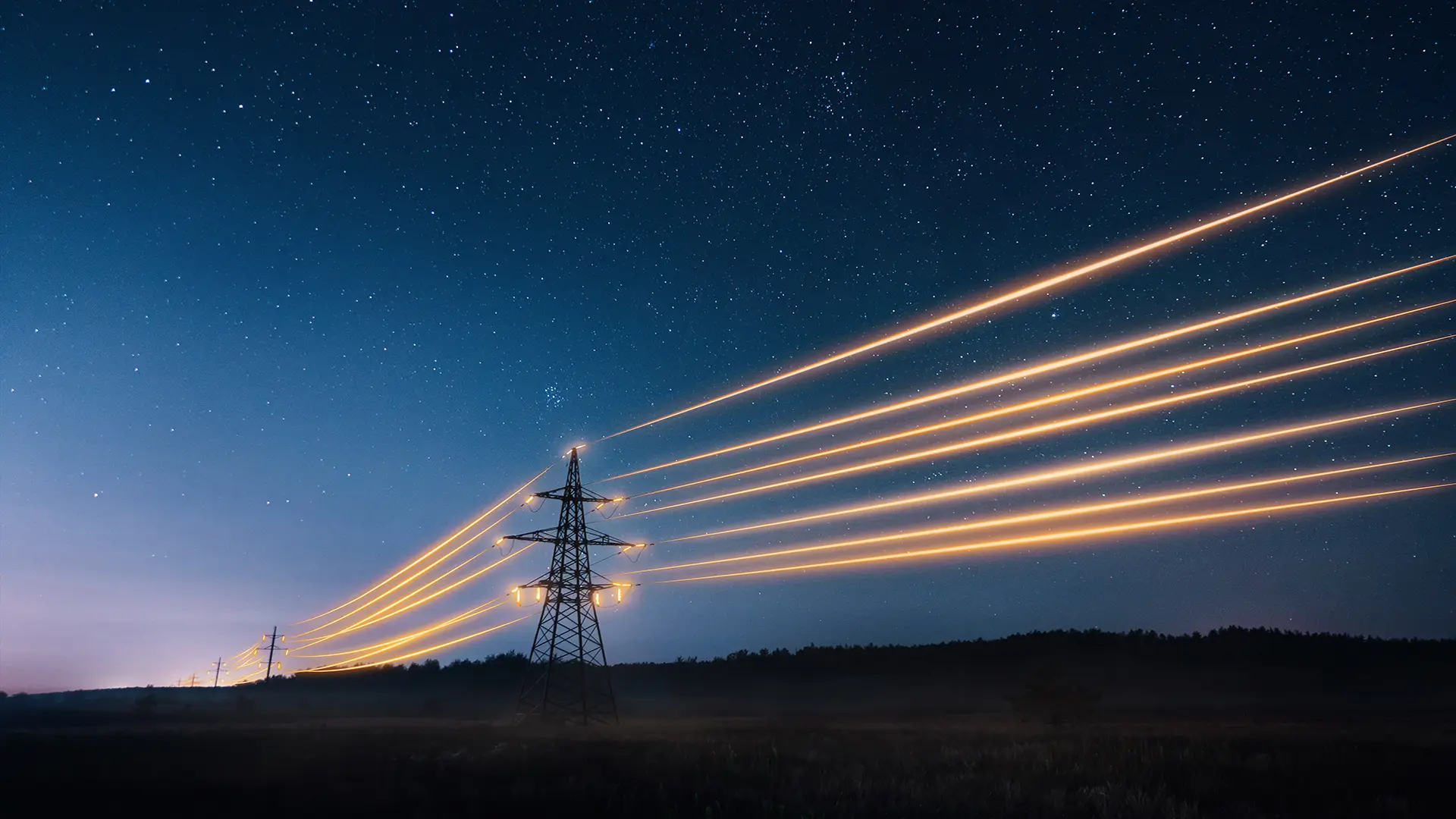
Written by John Egan for Industrial Info Resources (Sugar Land, Texas)--An unusual and expensive high-voltage electric transmission project is taking shape in the Midwest. If state regulators in the heartland give it permission to proceed, the project could stimulate billions of dollars of additional investment in windpower.
The Grain Belt Express transmission project, proposed by two-year-old Clean Line Energy Partners (Houston, Texas), would stretch about 550 miles from western Kansas to southeast Missouri, and possibly another 100 to 150 miles into Illinois. The Kansas-to-Missouri leg will cost an estimated $1.7 billion; adding the Missouri-to-Illinois leg will increase the project's price by about $300 million.
By the end of the year, the Kansas Corporation Commission is schedule to rule on Clean Line's application to operate in the state. If that vote is positive, Missouri regulators will be approached next. Then, if Clean Line wants to extend its line into southern Illinois, it will need approval from a third state regulatory commission.
Construction was originally scheduled to begin in 2014, but extending the project into Illinois could push back the start of construction to 2015. Clean Line estimates the construction will take about two years to complete. The developer has not yet selected an engineering, procurement and construction (EPC) firm.
Development of new renewable power projects has slowed as the nation's transmission system has been overwhelmed by generation proposals and a lack of transmission line capacity. More than 275,000 megawatts (MW) of proposed wind energy projects are sitting in queues waiting for transmission access, according to estimates from the American Wind Energy Association (AWEA) (Washington, D.C.). Earlier this year, the Federal Energy Regulatory Commission (FERC) (Washington, D.C.) issued Order 1000 to move transmission development forward. But legal experts say several years of litigation await that massive new rule. For more on FERC's Order 1000, see October 21, 2011, article - Experts: No Quick Fix to U.S. Transmission Logjam.
If approved by state utility regulators, the Grain Belt Express project would be a 600-kilovolt (kV), single-line, high-voltage direct current (HVDC) line capable of transmitting about 3,500 MW of wind power, Mark Lawlor, project developer for Clean Line Energy Partners, said in an interview. "Because HVDC can transmit so much more electricity than high-voltage alternating current (HVAC) lines, HVDC is less expensive and more efficient than HVAC lines. It would take several HVAC lines to carry this much electricity. The project will be an electricity superhighway: It won't interconnect with the existing grid except at its beginning and ending points."
The proposed transmission project is unusual in several ways. First, Clean Line wants to build it as a merchant project, not tied to any utility's ratebase. "Building a transmission project on a merchant basis is not completely new, but it is rare," Lawlor told Industrial Info. "One of the strengths of our merchant model is that we will only get paid by people who use it. If you don't use it, you don't pay for it."
Another unusual feature: The project aims to serve future windfarms, not current ones. Clean Line believes that a new high-capacity transmission line will lead to the development of billions of dollars of new windfarms in western Kansas.
Western Kansas has excellent quality wind resources, and states located east of Kansas need more renewable energy to meet their renewable portfolio standards (RPS), Lawlor explained. "As we move east, state RPSs increase, but the local wind resource is not as good or as abundant as it is in western Kansas. The rising demand for more renewable electricity can't be met by existing transmission lines, which is why the Grain Belt Express is needed."
"The windfarms are actually the easy part," Lawlor continued. "There are thousands of megawatts of windfarms being developed in western Kansas. Land is being acquired. There are more than enough projects under development to make this transmission project successful."
Privately funded Clean Line Energy Partners has proposed several long-haul transmission lines, but none are operating yet, and the firm has no revenue stream so far. The company is funded by its management team, the Houston-based Zilkha family and a unit of Ziff Brothers Investments LLC. Neither Lawlor nor a Clean Line spokesperson would discuss future sources of funding for the company.
Clean Energy is developing the line in an unusual way: Rather than choosing a specific route and filing a detailed proposal with state regulators, the developer is starting by holding public meetings in areas where the line, or future windfarms, could be sited. "Outreach is Job One," Lawlor said. "So far we have had hundreds of meetings with stakeholders about this project. The more outreach we do, the more our support grows. People really appreciate the early, upfront contact."
The stakeholder outreach "is part of Clean Line's core philosophy--we don't want to do things the way they have always been done," Lawlor said. He acknowledged that this approach takes more time at the front end of a project, but he expects it will pay off with less litigation and fewer delays once the regulators give it the go-ahead.
Lawlor said Kansas utility regulators have received about 150 letters supporting the proposed transmission project, and no organized opposition to the line has emerged yet. "But we don't expect to get a free pass once we propose a specific route," he added.
"People oppose transmission lines because they have the perception that companies building these projects don't want to listen to their input," Lawlor said. "We're breaking the mold in a lot of ways."
View Project Report - 300050229
Industrial Info Resources (IIR), with global headquarters in Sugar Land, Texas, and eight offices outside of North America, is the leading provider of global market intelligence specializing in the industrial process, heavy manufacturing and energy markets. Industrial Info's quality-assurance philosophy, the Living Forward Reporting Principle, provides up-to-the-minute intelligence on what's happening now, while constantly keeping track of future opportunities.
/news/article.jsp
false
Want More IIR News Intelligence?
Make us a Preferred Source on Google to see more of us when you search.
Add Us On GoogleAsk Us
Have a question for our staff?
Submit a question and one of our experts will be happy to assist you.

Forecasts & Analytical Solutions
Where global project and asset data meets advanced analytics for smarter market sizing and forecasting.
Explore Our SolutionsRelated Articles
-
Full Circle: After Lulls, U.S. LNG, Natural Gas-fired Power...September 02, 2026
-
Nigeria Aims for 62 GW Power Capacity by 2030, Driven by 77%...September 02, 2026
-
Egypt Plans Two More Reactors at El-Dabaa Nuclear PlantSeptember 02, 2026

PECWeb Global Market Intelligence Platform
Identify opportunities, anticipate change, and execute with confidence. PECWeb connects the industrial intelligence you need, from projects and assets to operational events, all in one platform.
Discover PecwebIndustry Intel
-
The Answer Age Starts with Trusted Data: Introducing IIR Envoy™ MCPPodcast Episode / Sep 1, 2026
-
European Chemicals and Transport Fuels OutlookPodcast Episode / Jul 10, 2026
-
2026 European Petroleum Refining Project OutlookPodcast Episode / Jun 26, 2026
-
Brazil: Efficiency, Innovation, and Opportunities in the Food & Beverage IndustryPodcast Episode / Jun 12, 2026
-
2026-2027 Investment Radar for Mexico, Central America & the CaribbeanPodcast Episode / May 29, 2026