Metals & Minerals
China's Fujian Province to Stop Approving Smaller Coal-Mining Proposals
China's Fujian province will no longer approve smaller proposed coal-mining projects and expansions under its new plan to regulate its coal output and promote the development of the industry
Released Friday, May 30, 2014
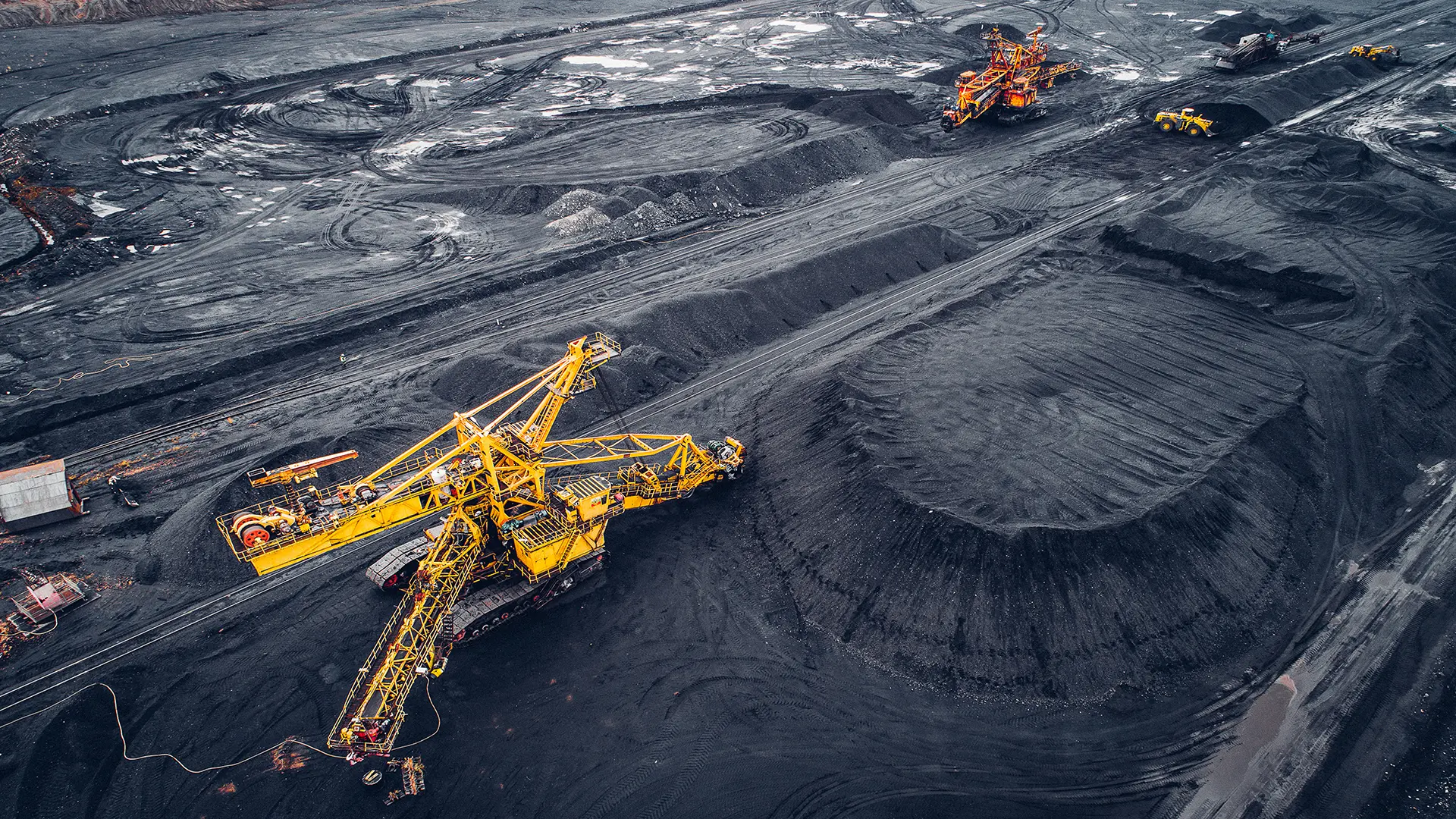
Researched by Industrial Info Resources China (Beijing, China)--China's Fujian province will no longer approve smaller proposed coal-mining projects and expansions under its new plan to regulate its coal output and promote the development of the industry.
The province also will tighten control over coal-mining safety, as well as standards for new grassroot coal mines and expansions. The province will not approve any new coal mine with a capacity of less than 300,000 tons per year, or any expansion with a production capacity of less than 90,000 tons per year. By the end of 2015, the province will eliminate all coal mines with production capacities of less than 60,000 tons per year; by the end of 2018, the province will eliminate those with production capacities of less than 90,000 tons per year.
The province also will enhance its support for coal mining companies that merge and reorganize. By October 2015, the province will eliminate all unqualified small and inefficient coal mines. Fujian officials expect to reduce the number of coal-mining enterprises from 279 in 2010 to 196 in 2015.
In the face of weak market demand, major coal producers in China have launched related policies. For instance, in Shanxi, the local government has proposed to raise the bar for coal-mining operations by no longer approving any new mine with a capacity of less than 1.2 million tons per year, compared with the current threshold of 300,000 tons per year.
Many provinces, such as Guangdong, Jiangxi and Fujian in South China, no longer approve mines with capacities of less than 300,000 tons per year, or 900,000 tons per year for those mines with high gas content. As these provinces have limited coal resources, industry insiders believe the restrictions will affect local coal production but would have less impact on demand.
As a result, coal imports from overseas or other provinces might grow.
Industrial Info Resources (IIR), with global headquarters in Sugar Land, Texas, three offices in North America and 10 international offices, is the leading provider of global market intelligence specializing in the industrial process, heavy manufacturing and energy markets. Industrial Info's quality-assurance philosophy, the Living Forward Reporting Principle, provides up-to-the-minute intelligence on what's happening now, while constantly keeping track of future opportunities.
/news/article.jsp
false
Want More IIR News Intelligence?
Make us a Preferred Source on Google to see more of us when you search.
Add Us On GoogleAsk Us
Have a question for our staff?
Submit a question and one of our experts will be happy to assist you.

Forecasts & Analytical Solutions
Where global project and asset data meets advanced analytics for smarter market sizing and forecasting.
Learn More
Industrial Project Opportunity Database and Project Leads
Get access to verified capital and maintenance project leads to power your growth.
Learn MoreIndustry Intel
-
2026 Regional Chemical Processing OutlookOn-Demand Podcast / Mar. 2, 2026
-
From Data to Decisions: How IIR Energy Helps Navigate Market VolatilityOn-Demand Podcast / Nov. 18, 2025
-
Navigating the Hydrogen Horizon: Trends in Blue and Green EnergyOn-Demand Podcast / Nov. 3, 2025
-
ESG Trends & Challenges in Latin AmericaOn-Demand Podcast / Nov. 3, 2025
-
2025 European Transportation & Biofuels Spending OutlookOn-Demand Podcast / Oct. 27, 2025