Pipelines
ExxonMobil Prevails Against Eco Protests with $4 Billion Oilfield and Pipeline Project in Chad
As a war of contention and disputation waged around them, ExxonMobil methodically and cautiously pressed on with both the project plans and the best ways to observe the necessary...
Released Thursday, September 26, 2002
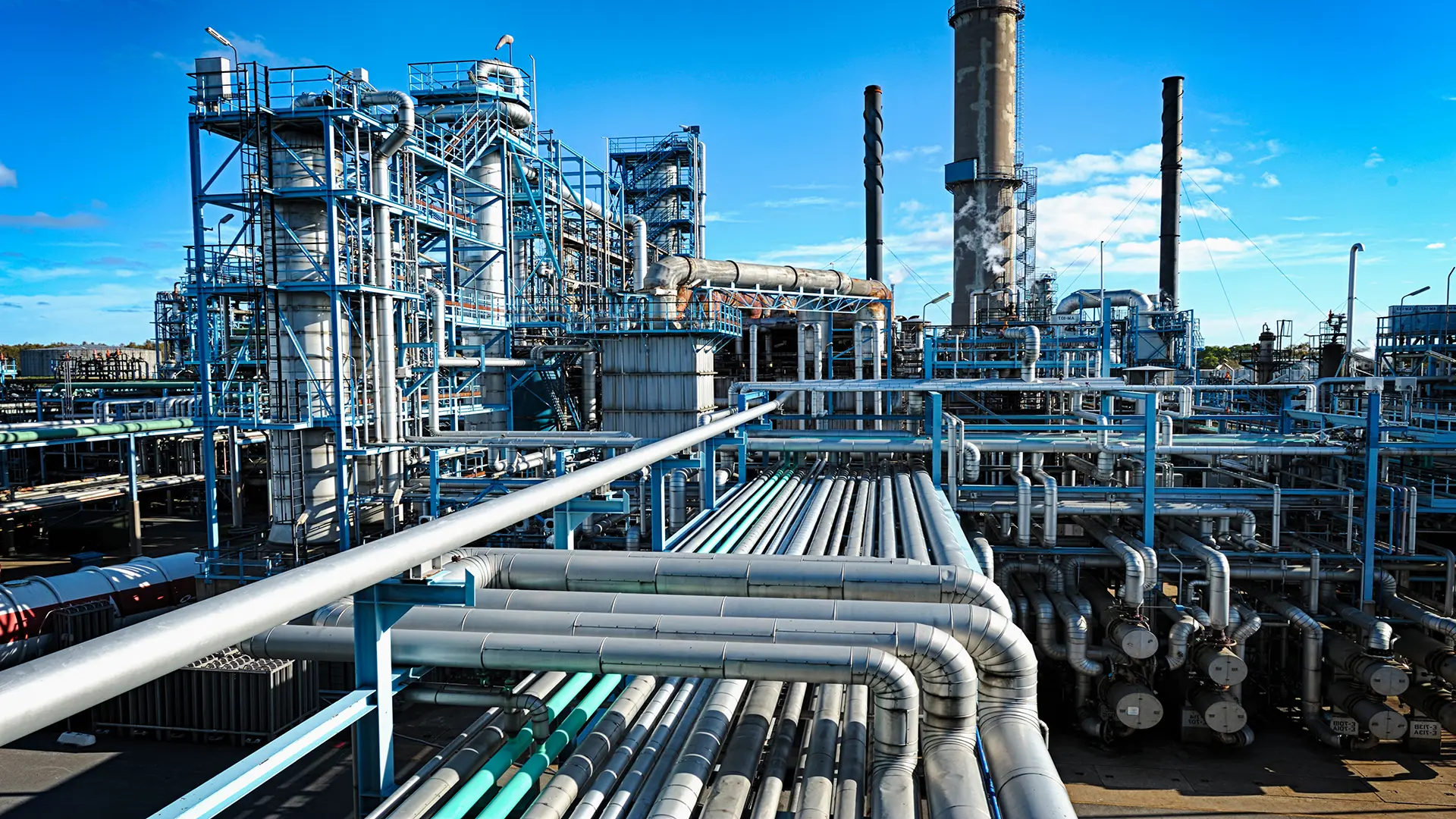
Researched by Industrailinfo.com (Industrial Information Resources Incorporated; Houston, Texas). In the late 1990's when ExxonMobil (NYSE:XOM) (Irving, Texas) announced their plans for drilling operations in the Doba Basin of the central African nation of Chad and a pipeline from Doba to the port of Kribi on the coast of neighboring Cameroon, no less than 86 environmental, human rights, and public concern groups sent a joint letter of protest to the World Bank. A multitude of points were made against the continuation of the project on grounds covering the complete spectrum of interests of the protesting groups.
As a war of contention and disputation waged around them, ExxonMobil methodically and cautiously pressed on with both the project plans and the best ways to observe the necessary environmental, social, and safety parameters required of a company working in sensitive rainforest, arid desert, and a fragile human environment. The degree of detail in the quarterly reports submitted to the World Bank (a $140 million investor in the project) on the progress and pitfalls of the project provide a vivid insight into physical operations and interchanges between various groups engaged by choice or necessity in developments. In the light of the big corporate endorsement given to renewable and defendable energy practices at the recent Johannesburg Word Summit on Sustainable Development, the ExxonMobil project is a worthwhile case study for any company venturing into virgin territory.
Contractor field monitors provide weekly and monthly reports in nearly three dozen areas, from accidents and injuries to soil erosion, archaeology, employment, and wildlife. Any serious situations, such as oil spills into water, must be reported immediately.
This month the board of directors of the World Bank gave its final approval to the $4 billion project which includes the 1,070km pipeline. Approval comes at a time when the oil company has begun exploration in Chad. Five rigs have recently begun exploration drilling to be followed by another seven by the end of the year. Over the estimated 25-30 year life of the oilfield, the company plans to drill a total of around three hundred wells.
The 250,000 bpd capacity pipeline is scheduled to open at the end of 2003. To date more than 45% of the line has been welded and buried underground. Despite the tropical storm season arriving, pipeline construction has been advancing at a rate of about 3km a day. Work is also under way for the construction of crude oil storage tanks, pump stations, and pressure reducing stations.
The pressures will not come off for ExxonMobil as an internal World Bank report suggested that the environment was being harmed and other objectives were being missed. The bank's board took the pro-project side put forward by the management board. Shareholder countries in the bank are represented on the board. Nevertheless the final report agreed that improvements should be made on environmental, social, economic, poverty reduction, and monitoring issues. ExxonMobil continues to flag good works such as its partnership with Roll Back Malaria (RBM).
ExxonMobil is the project operator with a 40% stake. State owned Petronas (Kuala Lumpur, Malaysia) holds 35% and Chevron Texaco (NYSE:CVX) (San Ramon, California) holds the balance of 25%.
The report also states that the Wildlife Conservation Society had been chosen to oversee work on the new M'bam and Djerem National Park. The new park in Northeast Cameroon and the Campo Reserve just south of Kribi are being developed as part of the overall plan to mitigate the environmental impact of the pipeline.
The involvement of the World Bank and the International Finance Corporation (IFC) has assisted the oilmen in prevailing against the sustained force of the environmental protests against the project. The IFC has a rigorous set of guidelines and interventions to check projects in a multi-dimensional manner.
A snapshot taken from the project report for the first quarter of 2002 gives a flavor of the wide range of new experiences that have become part of days work for the oilmen. "The projects archaeological teams continue to find ancient iron smelting furnaces during pre-construction surveys and excavations. The number of iron smelting sites leads to a conclusion that there must have been considerable iron tool making activity in the region. Radiocarbon dating results suggest that some of the smelter sites date back as much as 3,000 years."
Rest assured that the development minded ironmen came under sustained pressure and abuse from their returning hunter-gatherer wives, about messing up in the family hearth.
/news/article.jsp
false
Want More IIR News Intelligence?
Make us a Preferred Source on Google to see more of us when you search.
Add Us On GoogleAsk Us
Have a question for our staff?
Submit a question and one of our experts will be happy to assist you.

Forecasts & Analytical Solutions
Where global project and asset data meets advanced analytics for smarter market sizing and forecasting.
Learn MoreRelated Articles
-
Dallas Fed Sees Job Woes in the Oil & Gas SectorApril 29, 2026
-
Middle East War Takes Toll on SLB, Oil IndustryApril 27, 2026
-
Uncertainty on Iran War Drives Oil Up 15%April 27, 2026

Industrial Project Opportunity Database and Project Leads
Get access to verified capital and maintenance project leads to power your growth.
Learn MoreIndustry Intel
-
2026 North American Labor OutlookPodcast Episode / Apr 24, 2026
-
2026 European Metals & Minerals Project Spending OutlookPodcast Episode / Apr 7, 2026
-
The Age of Critical Minerals in the AmericasPodcast Episode / Mar 20, 2026
-
2026 Regional Chemical Processing OutlookPodcast Episode / Mar 6, 2026
-
From Data to Decisions: How IIR Energy Helps Navigate Market VolatilityPodcast Episode / Nov 21, 2025