Metals & Minerals
Steel Producers Seek Innovative Solutions to Raw Material Woes
The plant, which had the capacity to produce 615,000 tons per year of metallurgical coke, has been shutdown since January of 2002
Released Thursday, May 20, 2004
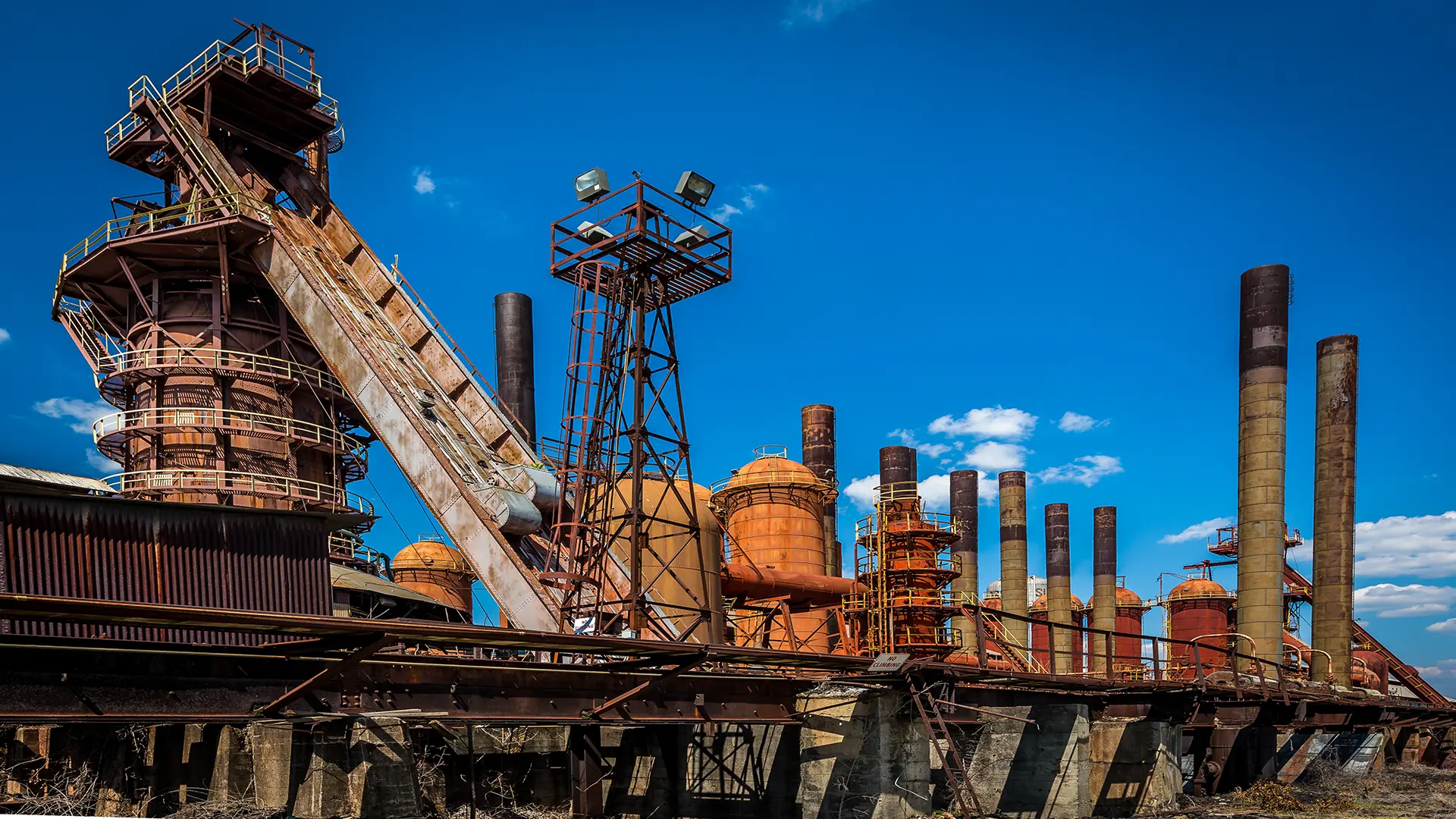
Researched by Industrialinfo.com (Industrial Information Resources, Incorporated; Houston, Texas). Recent balance sheet improvements for steel manufacturers are arriving despite increases in raw material cost at both integrated and minimill operations. Scrap steel, Iron ore, and metallurgical coke, both became scarce and pricey as steel mills started up formerly closed furnaces. International Steel Group (NYSE:ISG) (Richfield, Ohio) is trying to solve their metallurgical coke woes by increasing internal and external coke supply. For their Cleveland steel works (Plant 1014868), ISG has signed a long-term agreement to purchase coke from Sun Coke's new metallurgical coke plant being constructed in Ohio. For details see: Sun Coke Technology Rises, as Construction Begins on New Metallurgical Coke Plant. Upon completion, Haverhill North Coke Company, a subsidiary of Sun Coke Company (Knoxville, Tennessee), a subsidiary of Sunoco Incorporated (Philadelphia, Pennsylvania) will utilize 800,000 tons per year of coal to produce about 550,000 tons per year of screened blast furnace coke for ISG's Cleveland Steel Works, under a long-term agreement.
ISG has also announced plans to purchase and rebuild the former LTV Chicago Coke plant (Plant 1009346). The plant, which had the capacity to produce 615,000 tons per year of metallurgical coke, has been shutdown since January of 2002. If finalized, ISG could spend up to $60 million to replace refractory and restart the plant.
United States Steel Corporation (NYSE:X) (Pittsburgh, Pennsylvania) is also feeling the effects of coke prices. Supply disruptions from several of U. S. Steel's coal suppliers continue to affect coke operations and reduced coke production to 92% of capacity in the first quarter. In the second quarter, U. S. Steel expects to purchase approximately 240,000 tons of coke for domestic operations at significantly higher prices than those in the first quarter and will accelerate a blast furnace outage, which was scheduled for later in the year.
Of major concern to steel producers and end users this year is the price of scrap steel, which over the past year has reached historic price highs. According to Nucor Corporation (NYSE: NUE) (Charlotte, North Carolina), the average scrap and scrap substitute cost per ton used increased 64% from $122 in the first quarter of 2003 to $200 in the first quarter of 2004. The average scrap cost per ton purchased increased $123 (85%) from March 2003 to March 2004.
Despite raw material difficulties, steel producers like the "Big Three" are experiencing a continuation of improving market conditions for the domestic steel industry. For details see: Big Three Steel Makers Emerging as US Steel Industry Consolidates, and Overview of Domestic Steel Manufacturing Trends Going into 2004
/news/article.jsp
false
Want More IIR News Intelligence?
Make us a Preferred Source on Google to see more of us when you search.
Add Us On GoogleAsk Us
Have a question for our staff?
Submit a question and one of our experts will be happy to assist you.

Forecasts & Analytical Solutions
Where global project and asset data meets advanced analytics for smarter market sizing and forecasting.
Learn More
Industrial Project Opportunity Database and Project Leads
Get access to verified capital and maintenance project leads to power your growth.
Learn MoreIndustry Intel
-
2026 North American Labor OutlookPodcast Episode / Apr 24, 2026
-
2026 European Metals & Minerals Project Spending OutlookPodcast Episode / Apr 7, 2026
-
The Age of Critical Minerals in the AmericasPodcast Episode / Mar 20, 2026
-
2026 Regional Chemical Processing OutlookPodcast Episode / Mar 6, 2026
-
From Data to Decisions: How IIR Energy Helps Navigate Market VolatilityPodcast Episode / Nov 21, 2025