Power
Alstom Secures Contract to Build Chilled Ammonia Carbon-Capture Unit
Alstom SA (EPA:ALO) (Levallois-Perret, France) recently entered into an engineering, procurement and construction (EPC) contract with StatoilHydro ASA (NYSE:STO)...
Released Wednesday, June 24, 2009
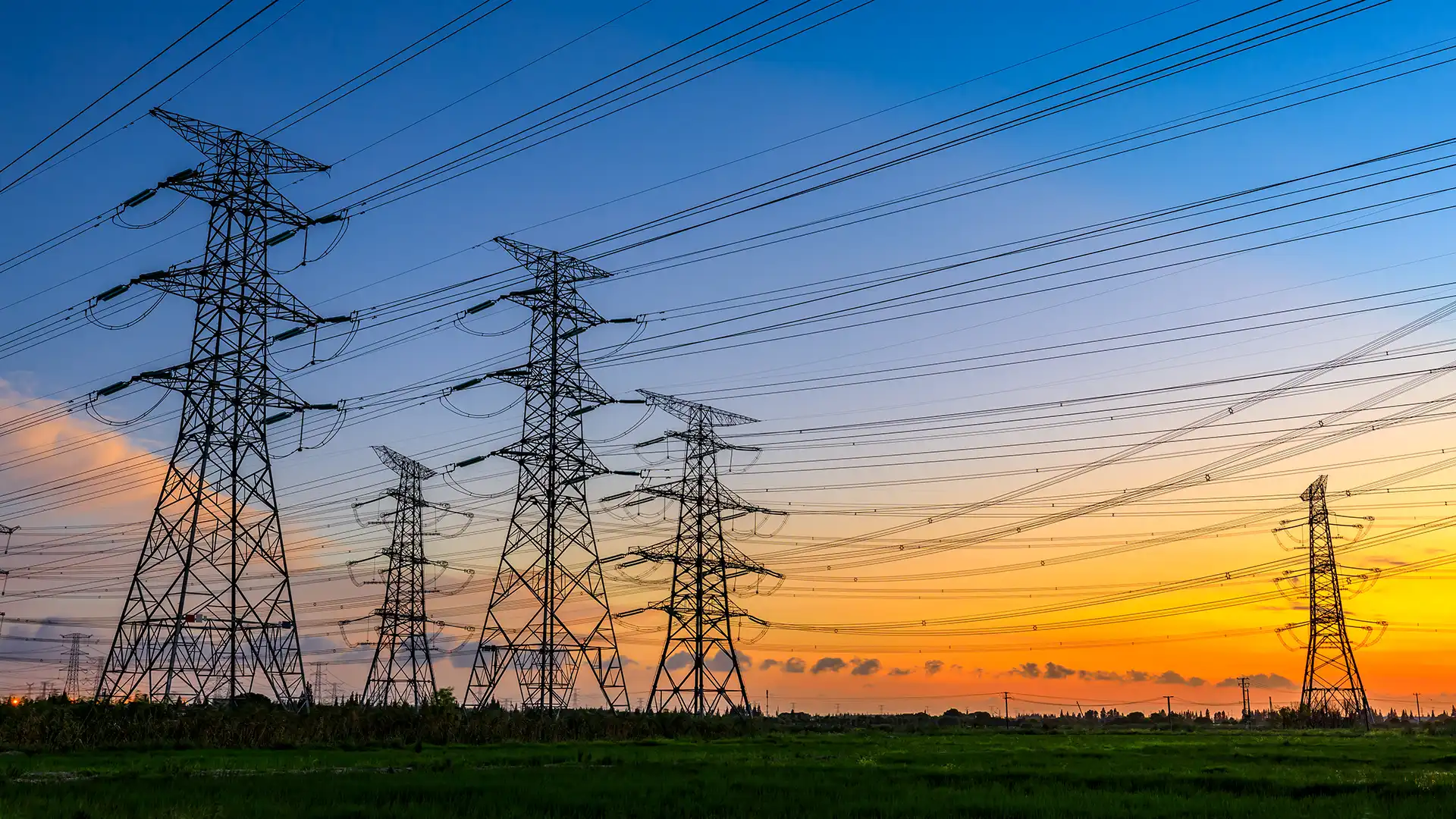
Researched by Industrial Info Resources (Sugar Land, Texas)--Alstom SA (EPA:ALO) (Levallois-Perret, France) recently entered into an engineering, procurement and construction (EPC) contract with StatoilHydro ASA (NYSE:STO) (Stavanger, Norway) to set up a demonstration carbon-dioxide capture plant based on the chilled ammonia post-combustion technology at the European CO2 Technology Centre Mongstad (TCM). StatoilHydro, the operator of the TCM project, signed the contract on behalf of the three partners in the venture - A/S Norske Shell (Tananger, Norway), Gassnova SF (Porsgrunn, Norway) and StatoilHydro.
Under the contract, Alstom will supply and install the proposed facility, which is scheduled to begin operations in November 2011. The new unit will treat flue gases emitted from a combined heat and power (CHP) facility in Mongstad, Norway, as well as from a petroleum-processing plant at a refinery nearby. The refinery emits about 1.7 million tons per year of carbon dioxide. The carbon-capture facility will be the first of its kind to undertake treatment of flue gas for the capture of carbon dioxide from a gas-fired power plant.
The TCM facility is being designed with the capacity to capture up to 100,000 tons per year of carbon dioxide, of which Alstom's chilled ammonia unit would capture up to 80,000 tons per year. The project will qualify the chilled ammonia technology for large-scale treatment of flue gases. The technology is likely to be available for commercial use by 2015.
The EPC contract follows a joint development contract signed by the two firms in early 2007 to test Alstom's chilled ammonia technology for the capture of carbon dioxide from flue gases emitted by natural-gas-fired combined cycle power plants. Under this earlier agreement, Alstom proposed to design and develop a 40-megawatt (MW) test and product validation unit for carbon capture at StatoilHydro's refinery in Mongstad. The objective was to capture at least 80,000 tons per year of carbon dioxide from the refinery's cracker unit or from the CHP facility being developed by StatoilHydro. At the time this contract was signed, the test and product validation facility for carbon-dioxide capture was scheduled to begin operations in 2009-10, with the first phase of operations and testing planned to be conducted over a period of 12-18 months.
The first stage of the chilled ammonia process involves the cleansing and cooling of the flue gas. Flue gas is usually emitted at temperatures in the range of 120-140 degrees Fahrenheit (49-60 degrees Celsius), is saturated with water and contains residual amounts of sulfur dioxide, nitrogen oxides, hydrogen chloride and particulate matter. Refrigerated water is injected directly into the flue gas stream, which is cooled as most of its water content condenses out and carries the residual contaminants with it. The water is evaporated in cooling towers to greatly reduce the total volume of flue gas and increase the concentration of carbon dioxide. The chilled flue gas is at a temperature of 35 degrees Fahrenheit (1.7 degrees Celsius) and has less than 1% moisture content.
The cooled flue gas enters the absorber vessel from the bottom and is forced upward through a slurry of ammonium carbonate and ammonium bicarbonate. The resulting chemical reactions lead to removal of more than 90% of the carbon dioxide present in the flue gas, leaving behind only nitrogen, excess oxygen and low concentrations of carbon dioxide. Residual ammonia is captured in a cold-water wash and redirected to the absorber.
The slurry, rich in carbon dioxide, is directed to a heat exchanger, where it is dissolved in a clear solution of about 175 degrees Fahrenheit (79.5 degrees Celsius). The solution is sent to a high-pressure regenerator, where a re-boiler provides additional heat to strip away the carbon dioxide. Water is the only byproduct of the entire process and can be treated or recycled and reused. The process also results in low energy loss, which refers to the amount of energy expended in carbon-dioxide capture. The chilled ammonia process results in an energy loss of 10%, compared to the conventional monoethanol amine scrubbing process that results in an energy loss of 25%.
View Project File - 80900049 80900063 8900069 80900070 80900071
Industrial Info Resources (IIR) is the leading provider of global market intelligence specializing in the industrial process, heavy manufacturing and energy related markets. For more than 26 years, Industrial Info has provided plant and project opportunity databases, market forecasts, high resolution maps, and daily industry news.
/news/article.jsp
false
Want More IIR News Intelligence?
Make us a Preferred Source on Google to see more of us when you search.
Add Us On GoogleAsk Us
Have a question for our staff?
Submit a question and one of our experts will be happy to assist you.

Forecasts & Analytical Solutions
Where global project and asset data meets advanced analytics for smarter market sizing and forecasting.
Learn MoreRelated Articles

Industrial Project Opportunity Database and Project Leads
Get access to verified capital and maintenance project leads to power your growth.
Learn MoreIndustry Intel
-
2026 North American Labor OutlookPodcast Episode / Apr 24, 2026
-
2026 European Metals & Minerals Project Spending OutlookPodcast Episode / Apr 7, 2026
-
The Age of Critical Minerals in the AmericasPodcast Episode / Mar 20, 2026
-
2026 Regional Chemical Processing OutlookPodcast Episode / Mar 6, 2026
-
From Data to Decisions: How IIR Energy Helps Navigate Market VolatilityPodcast Episode / Nov 21, 2025