Power
April Outage Scheduled for Warrick Generating Station
Coal is the most common fuel source used in generating steam to produce power. Coal-fired power plants currently account for fifty-six percent of the electricity generated in the U.S.
Released Tuesday, January 14, 2003
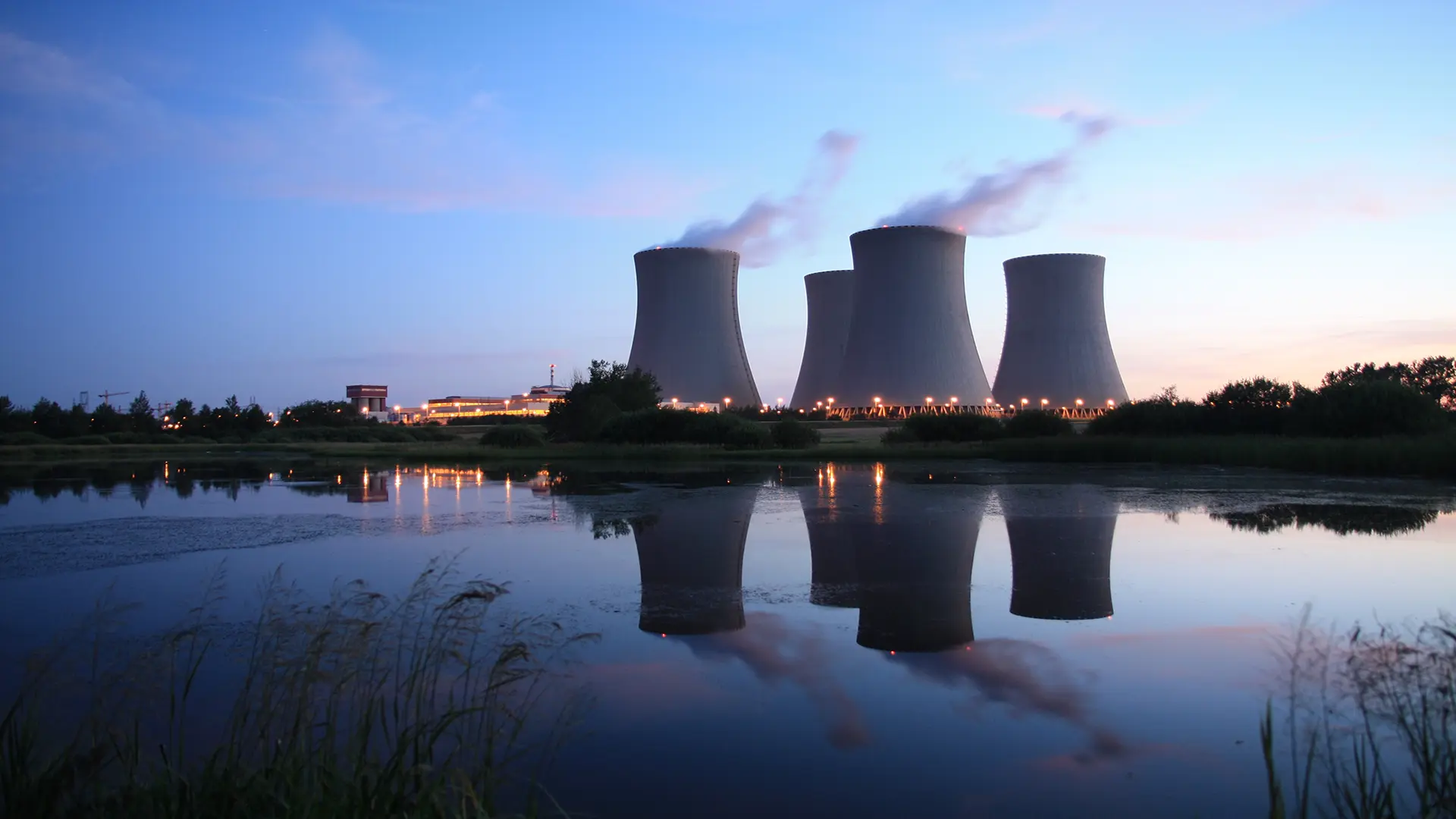
Researched by Industrialinfo.com (Industrial Information Resources, Incorporated; Houston, Texas). Warrick Generating Station is scheduled for a 42-day outage on its coal-fired unit 4 by the second quarter of this year. The plant is located in Newburg, Indiana. Unit 4 is a 323-megawatt (MW) coal Babcock & Wilcox opposed-fired dry bottom boiler, with a General Electric turbine and generator set. Maintenance scope will include Selective Catalytic Reduction (SCR) tie-ins, inspection and repair of the boiler, feed heating & cooling system, cooling tower, steam turbine/generator, fuel & ash handling systems, plus other components.
Coal is the most common fuel source used in generating steam to produce power. Coal-fired power plants currently account for fifty-six percent of the electricity generated in the U.S. As smokestack emissions of sulfur dioxide, nitrogen oxides, and fine particles are an ongoing concern, emission control equipment is an essential part of power plant maintenance and new plant construction. Significant emissions reductions are achieved through the use of Selective Catalytic Reduction technology.
SCR reduces NOx emissions from boiler flue gas by the injection of ammonia (NH3) upstream of a catalyst bed. The ammonia, in the presence of the catalyst (typically Vanadium Pentoxide) reacts with the NOx and converts it to harmless by-products. During the tie-in times for SCR Systems, the whole unit must be shut down. This technology is known to be the most effective method of reducing NOx emissions where high removal efficiencies are required.
A conventional coal-fired plant consists of a coal handling system, boiler, turbine, generator, transformer, water handling and emission control system. A coal handling system consists of the hopper, crusher, classifier, pulverizer, and conveyor. A critical part of the power generation system is water handling. After the steam passes through the turbine, it enters a condenser. The condenser converts the low-pressure steam to liquid water. The water is then pumped back to the boiler to repeat the heating/condensing cycle. The emission control system operates in parallel with power generation.
The Warrick plant will be using Black & Veatch, a leader in construction, engineering, and consulting for infrastructure projects on a global basis, as their primary contractor for this upcoming outage.
The Warrick Generating Station is operated by Alcoa Primary Metals Incorporated, one of five segments of Alcoa Incorporated (NYSE:AA)(Pittsburgh, Pennsylvania), the largest producer of aluminum in the world. The five segments consist of: Alumina and Chemicals, Primary Metals, Flat-Rolled Products (plate, sheet, foil), Engineered Products, and Packaging and Consumer (aluminum foil, plastic wrap, wax paper, other consumer goods). The Warrick generating station supplies power to Alcoa's Warrick aluminum smelter.
/news/article.jsp
false
Want More IIR News Intelligence?
Make us a Preferred Source on Google to see more of us when you search.
Add Us On GoogleAsk Us
Have a question for our staff?
Submit a question and one of our experts will be happy to assist you.
Forecasts & Analytical Solutions
Where global project and asset data meets advanced analytics for smarter market sizing and forecasting.
Learn MoreRelated Articles

Industrial Project Opportunity Database and Project Leads
Get access to verified capital and maintenance project leads to power your growth.
Learn MoreIndustry Intel
-
2026 North American Labor OutlookPodcast Episode / Apr 24, 2026
-
2026 European Metals & Minerals Project Spending OutlookPodcast Episode / Apr 7, 2026
-
The Age of Critical Minerals in the AmericasPodcast Episode / Mar 20, 2026
-
2026 Regional Chemical Processing OutlookPodcast Episode / Mar 6, 2026
-
From Data to Decisions: How IIR Energy Helps Navigate Market VolatilityPodcast Episode / Nov 21, 2025