Pipelines
Bakken's Rail Preference Explained by Access and Competition
Bakken crude-by-rail gives Bakken producers access to different markets than pipelines, thus staying competitive despite higher prices
Released Thursday, July 16, 2015
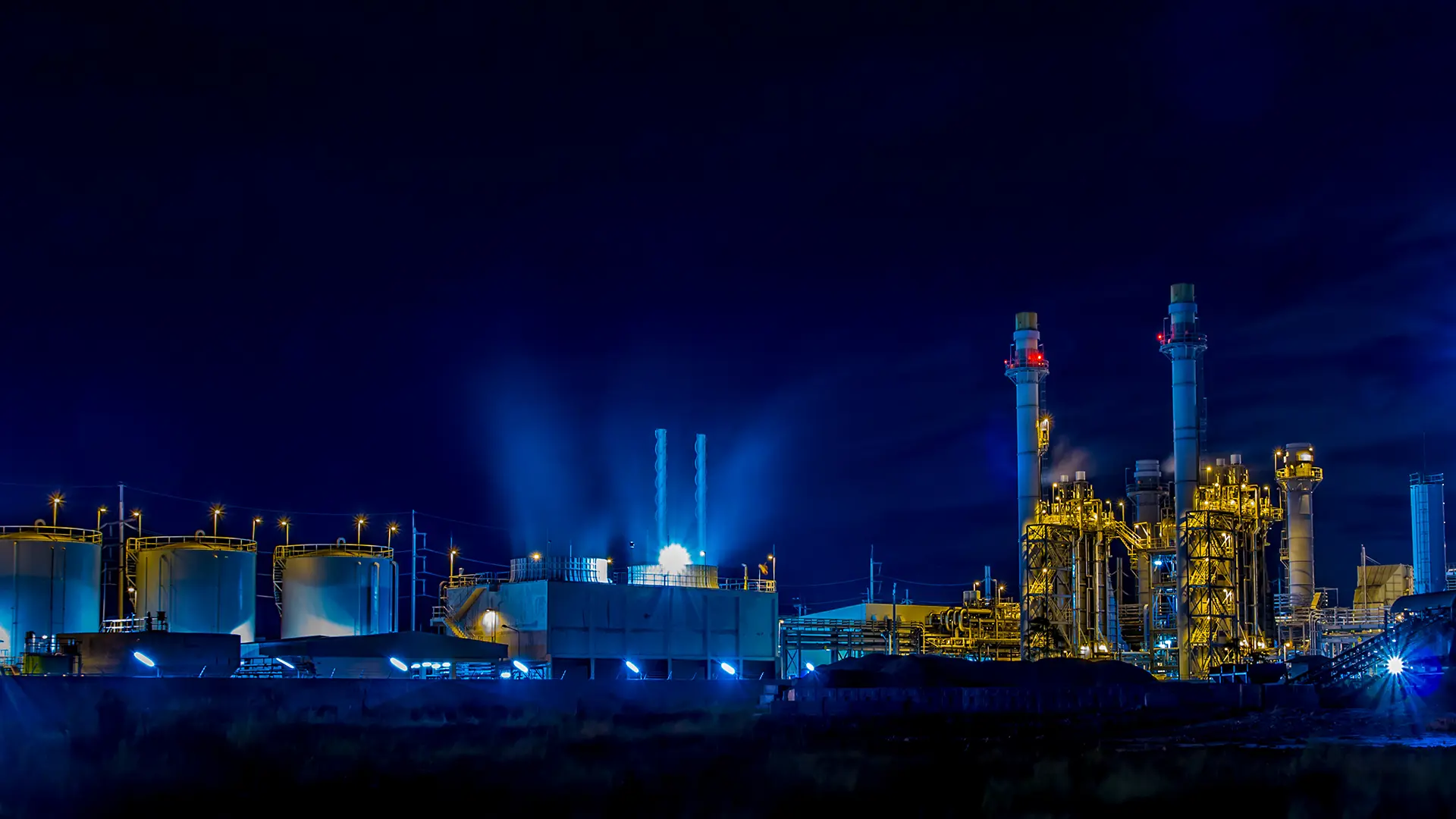
Researched by Industrial Info Resources (Sugar Land, Texas)--The Bakken Shale has an abundance of takeaway capacity, the vast majority of which--roughly 1.6 million barrels per day (BBL/d)--is in crude-by rail transport. Even though unit-train transport costs can be double or triple that of pipeline transportation, proposed pipeline projects have a tendency to fail before ever coming to fruition. Those that have succeeded also serve secondary markets, or are tied into massive existing infrastructure.
Rail brings Bakken crude to markets that cannot currently be reached by pipelines, or that would be uneconomical to attempt to reach via new pipelines--specifically, the U.S. East and West coasts. In these markets, Bakken crude does not face the same kinds of competition and provides refiners with an alternative source of lighter crude oil, making it more attractive.
The projects that have been proposed and then canceled were centered on the notion of transporting Bakken crude oil to the refinery hub in the Gulf Coast. However, the Bakken's light sweet crude must compete with the local Eagle Ford Shale's similar blend of hydrocarbons. It is less costly to move crude to Gulf Coast refineries from the Eagle Ford than from the Bakken.
The successful pipelines, however, have taken the Bakken's crude to the Rockies, where it is a welcome alternative for local refiners, or is tied into the Enbridge Incorporated (NYSE:ENB) (Calgary, Alberta) Mainline System from Canada, where it is blended with the heavier Canadian crude, making it more palatable for refineries.
By contrast, the BNSF Railway (Fort Worth, Texas), a subsidiary of Berkshire Hathaway (NYSE:BRK.A) (Omaha, Nebraska), has a direct link from the Bakken to Washington state, and connections south into California. Both of these locations are home to a number of refineries that do not have an abundance of pipelines, and are in states where regulatory processes and public opinion are largely stacked against building more petrochemical infrastructure.
While a pipeline to either destination is theoretically possible, any plan to travel across undeveloped federal land through states without a strong leaning toward energy infrastructure development is very likely to end up mired in regulatory red tape. By contrast, the rail infrastructure to reach these areas is already in place, allowing shippers to reach market in the short term and still profit, and allowing refiners to access cheaper light crudes, and reduce dependence on imports.
Industrial Info Resources (IIR), with global headquarters in Sugar Land, Texas, five offices in North America and 10 international offices, is the leading provider of global market intelligence specializing in the industrial process, heavy manufacturing and energy markets. Industrial Info's quality-assurance philosophy, the Living Forward Reporting Principle, provides up-to-the-minute intelligence on what's happening now, while constantly keeping track of future opportunities.
/news/article.jsp
false
Want More IIR News Intelligence?
Make us a Preferred Source on Google to see more of us when you search.
Add Us On GoogleAsk Us
Have a question for our staff?
Submit a question and one of our experts will be happy to assist you.

Forecasts & Analytical Solutions
Where global project and asset data meets advanced analytics for smarter market sizing and forecasting.
Learn MoreRelated Articles
-
Dallas Fed Sees Job Woes in the Oil & Gas SectorApril 29, 2026
-
Middle East War Takes Toll on SLB, Oil IndustryApril 27, 2026
-
Uncertainty on Iran War Drives Oil Up 15%April 27, 2026

Industrial Project Opportunity Database and Project Leads
Get access to verified capital and maintenance project leads to power your growth.
Learn MoreIndustry Intel
-
2026 North American Labor OutlookPodcast Episode / Apr 24, 2026
-
2026 European Metals & Minerals Project Spending OutlookPodcast Episode / Apr 7, 2026
-
The Age of Critical Minerals in the AmericasPodcast Episode / Mar 20, 2026
-
2026 Regional Chemical Processing OutlookPodcast Episode / Mar 6, 2026
-
From Data to Decisions: How IIR Energy Helps Navigate Market VolatilityPodcast Episode / Nov 21, 2025