Power
Baltic States Power Interconnection Highlights Nuclear and National Utility Issues for Larger Russo-European Plan
Starting in 2005 Lithuania will start exporting electrical power to Scandinavian countries. Some 560 million kWh of electricity per annum will be exported through the new 315 megawatt (MW) cable.
Released Friday, May 28, 2004
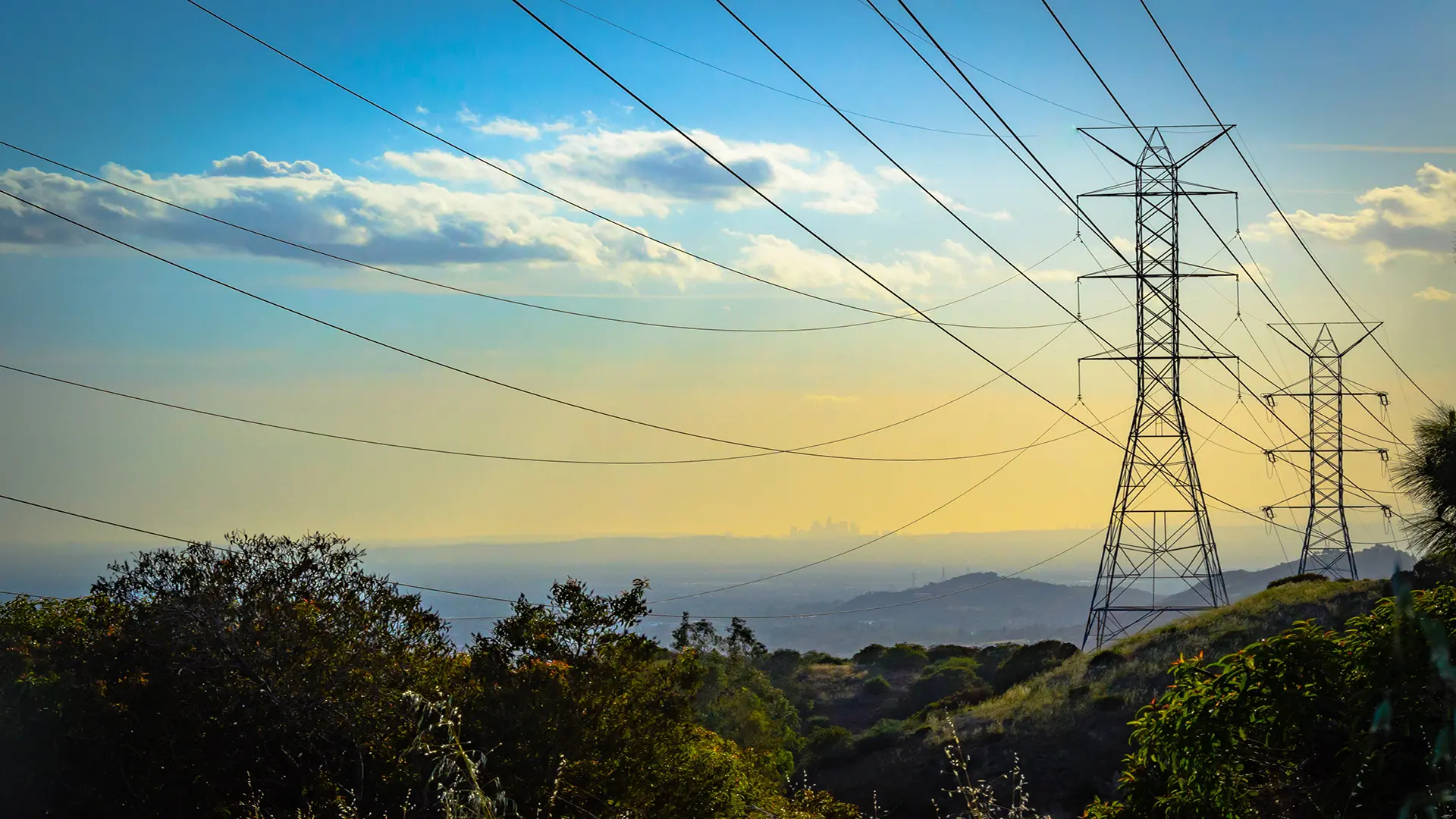
Researched by Industrialinfo.com (Industrial Information Resources Incorporated; Houston, Texas). In an ongoing scenario where the three 'Baltic States' - Lithuania, Estonia and Latvia - are in the process of reforming and normalizing their power systems away from the structures of previous Soviet dominance to new, more integrated systems, the Lithuanian power company Lietuvos Energija (LE) (Vilnius, Lithuania) is planning to invest $26 million in a project to lay a power cable through the Baltic Sea from Estonia to Finland according to local reports. With the investment LE looks to become a 20% shareholder in the electricity distribution system that is estimated to bring a positive return by 2010-2011.
Starting in 2005 Lithuania will start exporting electrical power to Scandinavian countries. Some 560 million kWh of electricity per annum will be exported through the new 315 megawatt (MW) cable. Energy companies in Estonia, Latvia and Lithuania have signed an agreement for LE to join the project that will have a total cost of between $131 million and $143 million. Other partners in the project include state owned Eesti Energia (Tallin, Estonia), Latvenergo (Riga, Latvia) and the Finnish companies Pohjolan Voima and Helsingen Energia (Helsinki).
In the past Lithuania exported over 40% of their power to neighboring Baltic States and adjacent regions of Russia. In 2003 6.8 billion kWh of electricity was sold into the domestic market and exports totaled 7.5 billion kWh with the larger part of this total going to Russias Unified Energy System (UES), which supplied it to the Kaliningrad region and to Belarus. The export target for 2004 is 7 billion kWh.
The future profile of Lithuania's (population - 3.6 million) power generation industry is entering a decision stage. The Soviet built, safety-suspect RBMK nuclear reactors at Ignalina power station are due to be completely closed down by 2009 as Lithuania has given this undertaking to the EU. With one decommissioned the capacity of the second unit is sufficient to supply 80% of Lithuania's energy requirements and still provide over 25% of the country's power exports. The unit also made a profit of over $5 million in 2003.
General director of the Ignalina power station, Victor Shevaldin, said at a recent seminar on the future power plans said that a political decision on the continuing use of nuclear power was needed and that potential investors should be sought for a new nuclear power station. He was supported by technical experts who said the country has the technical base and qualified personnel to operate a new, up-to-date nuclear power station. Cooperation with the neighboring Baltic States could enable the finance for the new plant to be put together.
In April, Kazmiera Prunsiene, chairperson of the country's energy commission (former prime minister) backed the future of nuclear energy in Lithuania. She said that although the EU was contributing to the costs of dismantling the plant the costs were in fact greater because Lithuania will lose revenue from its exports of nuclear power and could also find it becoming dependent on energy imports, with much of the imported energy coming from Russia. She argued that the EU already depends on Russian gas for 30% of its needs, and that this is a good reason why Europe should want to help with the construction of a new and modern nuclear plant in Lithuania. That, she said, would be a useful development for Lithuania and for the EU, too, if the energy distribution system and connections to the rest of Europe were modernized.
The interconnection of the energy systems of Russia, the former Soviet states (CIS) and the Baltic states with the electricity network of the western, central and southeastern European countries (TESIS) is a work-in-progress with the Systint (Systems Interconnection) international working group and task force which is drawn from all regions.
The main purpose of interconnection is the creation of infrastructure that will allow mutually beneficial exchange of power between UES of Russia and the electricity networks of the CIS and the Baltic states with TESIS. The technical feasibility has been confirmed by a number of expert international researches. Experts point out that the three most important advantages of interconnection are: superposing of the schedules of electric loads, combining of the power reserves and the so-called seasonal effect (mutual seasonal and day/night) electric power exchange.
Lithuania and the Baltic states may be relatively small in numbers but because of the timing of their power system transition, their nuclear debate and the critical position of power utility in their 'new' economies they provide some interesting models in the 'state-and-regional' priorities relationships now under discussion in many parts of the world and in particular to the 800 million people who may eventually benefit directly from secure power supply development through Systint and the regional power associations.
/news/article.jsp
false
Want More IIR News Intelligence?
Make us a Preferred Source on Google to see more of us when you search.
Add Us On GoogleAsk Us
Have a question for our staff?
Submit a question and one of our experts will be happy to assist you.
Forecasts & Analytical Solutions
Where global project and asset data meets advanced analytics for smarter market sizing and forecasting.
Learn More
Industrial Project Opportunity Database and Project Leads
Get access to verified capital and maintenance project leads to power your growth.
Learn MoreIndustry Intel
-
2026 North American Labor OutlookPodcast Episode / Apr 24, 2026
-
2026 European Metals & Minerals Project Spending OutlookPodcast Episode / Apr 7, 2026
-
The Age of Critical Minerals in the AmericasPodcast Episode / Mar 20, 2026
-
2026 Regional Chemical Processing OutlookPodcast Episode / Mar 6, 2026
-
From Data to Decisions: How IIR Energy Helps Navigate Market VolatilityPodcast Episode / Nov 21, 2025