Metals & Minerals
Brass Rod Producers Struggle with Overcapacity on Heels of 1990's Expansion
Chase Brass recently completed phase 3 of its Project 400 at its Montpelier, Ohio plant, which expanded annual brass rod production up over 400 million pounds.
Released Tuesday, September 03, 2002
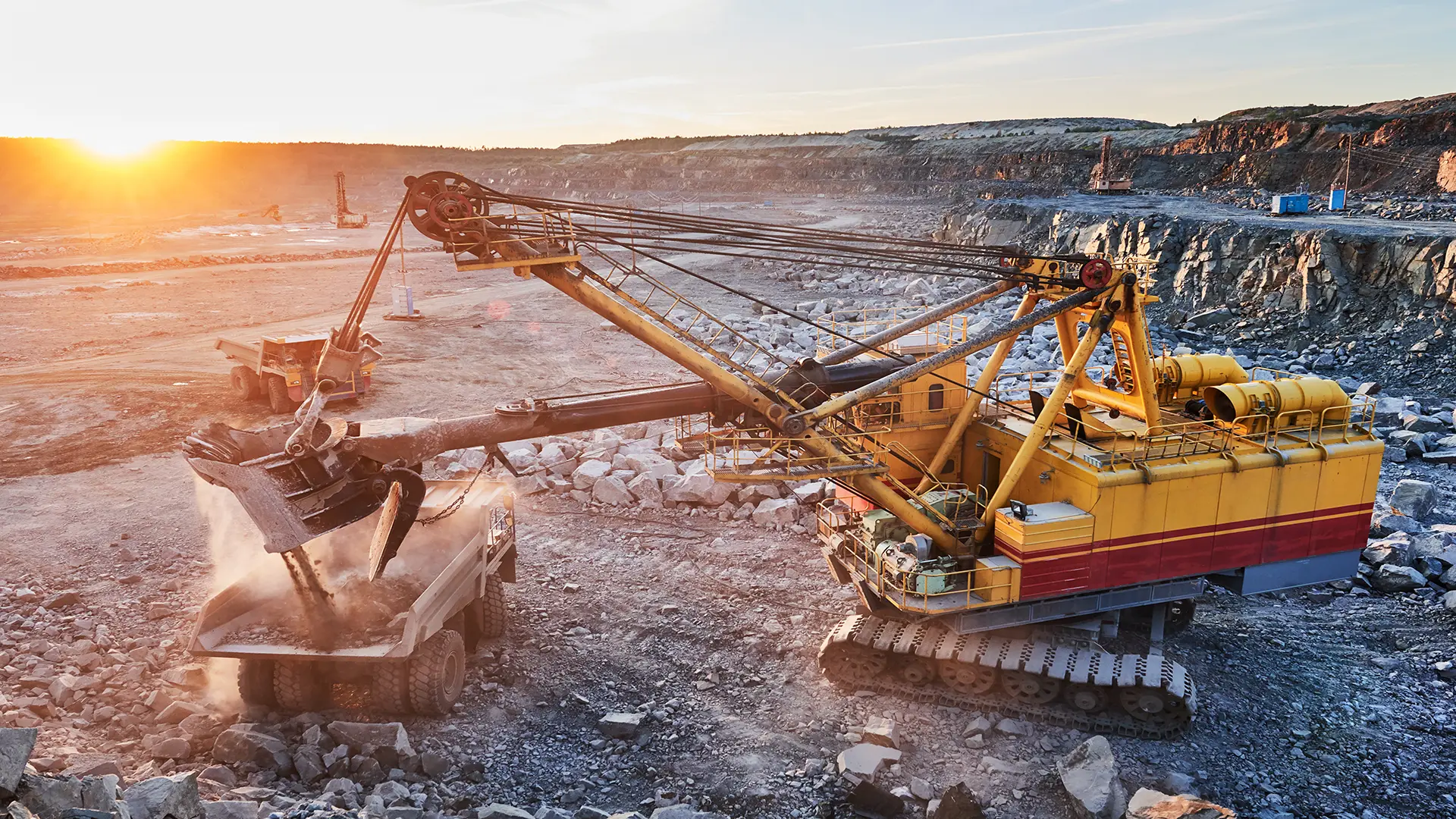
Researched by Industrialinfo.com (Industrial Information Resources, Incorporated; Houston, Texas). Like all metals industries, the brass industry has witnessed tremendous technological advancements in the latter half of the 20th century. These technological advancements, mainly in the form of process automation and equipment improvements, have allowed brass rod producers to make more product with less employees and equipment thereby allowing for considerable industry consolidation. Forty years ago, there were 26 operating domestic brass rod mills. Now there are five. These five manufacturers produce more tonnage more efficiently than ever before. The industry is at the tail end of an expansion period, which has seen capacity increase many times over.
Chase Brass recently completed phase 3 of its Project 400 at its Montpelier, Ohio plant, which expanded annual brass rod production up over 400 million pounds. Phase 3 was a $50 million expansion and is part of over $90 million that the company has spent at the site in the last decade. SSOE Incorporated (Toledo, Ohio) provided engineering for the project and Lathrop Company (Maumee, Ohio) was the construction manager for the project.
Most brass rod producers have finished their expansion programs and as this new capacity has come online, the industry is experiencing overcapacity. At some companies sales volumes are off by as much as 25% of 1990's volume and the current market is not helping. Brass companies are looking to increase market share but are doing so with reduced profit margins due to the overcapacity and poor prices for brass rod. Overcapacity is causing companies to sell product at a cheaper price leading to lower profit margins for most.
The brass rod industry is driven by the housing/plumbing market, which remains strong, but saw greater expansion in the late 90's. The 90's surge in the housing market spurred the most recent expansion for brass rod production. The second largest user of brass rods is in forged heavy truck parts and brake liners. Brass rods are also used in high-pressure fittings because of their anti-corrosion properties.
Earlier this year Olin Corporation (NYSE:OLN) (Norfolk, Connecticut) announced its intension to merge with Chase Brass & Copper Company (NYSE:CSI) (Montpelier, Ohio), whereby Chase Brass would become a wholly owned subsidiary of Olin. There are five major producers of brass rod in the U.S. They are Chase Brass, Mueller Brass, Extruded Metals, Chicago Extruded Metals, and Cerro Brass. Chase Brass is largest, producing over 400 million pounds annually with the completion of its Project 400 expansion. Most of these companies have completed expansions of brass rod production over the last five years. Mueller Brass has added a new melt shop/foundry and extrusion line.
Extruded Metals, Incorporated (Belding, Michigan) recently completed an $8.5 million expansion. Most of the equipment was manufactured and engineered in Europe. The fully integrated brass rod manufacturing plant produces 500,000 pounds a day and includes a melt shop, foundry, and finishing departments.
The industry has a high recycle rate. About 60-70% of the raw material used in the smelting of brass billets comes in the form of recycled brass including #1 brass scrap chips.
/news/article.jsp
false
Want More IIR News Intelligence?
Make us a Preferred Source on Google to see more of us when you search.
Add Us On GoogleAsk Us
Have a question for our staff?
Submit a question and one of our experts will be happy to assist you.

Forecasts & Analytical Solutions
Where global project and asset data meets advanced analytics for smarter market sizing and forecasting.
Learn More
Industrial Project Opportunity Database and Project Leads
Get access to verified capital and maintenance project leads to power your growth.
Learn MoreIndustry Intel
-
2026 North American Labor OutlookPodcast Episode / Apr 24, 2026
-
2026 European Metals & Minerals Project Spending OutlookPodcast Episode / Apr 7, 2026
-
The Age of Critical Minerals in the AmericasPodcast Episode / Mar 20, 2026
-
2026 Regional Chemical Processing OutlookPodcast Episode / Mar 6, 2026
-
From Data to Decisions: How IIR Energy Helps Navigate Market VolatilityPodcast Episode / Nov 21, 2025