Power
Coal Shortage Leads to Major Shutdowns in Southern China's Power Grid
The coal shortage has forced the shutdown of 10,300 megawatts (MW) of generating units in areas including Guizhou Province (4,200 MW), Yunnan Province...
Released Thursday, January 31, 2008
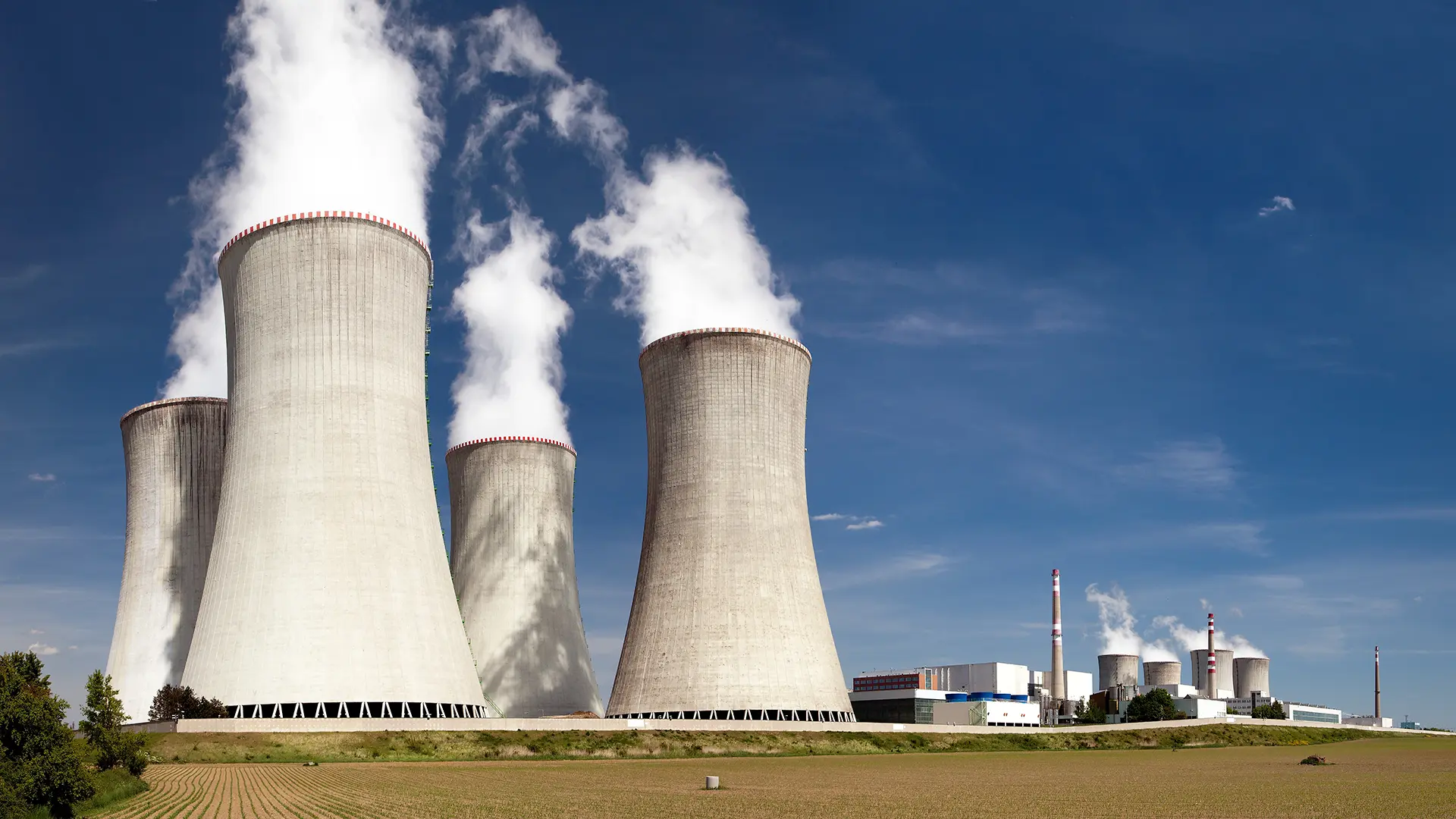
Researched by Industrial Info Resources (Sugar Land, Texas)--A shortage in coal supply has led to shutdowns in several provinces and regions in southern China's power grid, leading to further shortages in power, Xiao Peng, Vice President of China Southern Grid Corporation (Guangzhou, China), said January 15, 2008, in Beijing at a summit on energy development.
The coal shortage has forced the shutdown of 10,300 megawatts (MW) of generating units in areas including Guizhou Province (4,200 MW), Yunnan Province (2,300 MW) and the Guangxi Autonomous Region (2,300 MW). The shutdowns are the largest the grid has experienced since it was established, Xiao said. There are several reasons for the forced shutdown:
The shutdown of small coal mines
Insufficient transportation capacity
The inability of small coal mines to supply large power plants
However, several insiders have said that the main reason for the shutdowns is the major rise in the price of coal. The price has been rising quickly in China since 2007, and the contract price for power-coal supply rose an additional 10% in 2008. The price of coal in Guizhou rose $11-$14 per metric ton, according to data provided by Xiao Peng.
Although various measures for energy conservation and emissions reduction have been taken and many new large units have been put into operation in the electric power sector, grid technology has been limited, and the potential for reductions in coal consumption by power producers is also limited. The suspension of price linkage between coal and power has reduced the possibility of changes to the price of coal from power producers. In addition, oil-fired units had to stop operating because of the "high fever" in oil price.
China has maintained control of prices over utilities such as power. In order to compensate for costs for power producers, China had implemented a mechanism to link coal and power, especially when the price rise in coal surpassed 5%. However, the Chinese government recently announced that no price hikes are allowed for utilities because of the current risk of inflation.
Because of the continual rise in the price of coal, it is understandable for some power producers to stop operating. However, the contradiction between deregulated coal price and regulated electricity price will be always a risk in the country's power supply.
Industrial Info Resources (IIR) is the leading marketing information services company for the industrial process, heavy manufacturing and energy-related markets throughout the world. Celebrating its 25th anniversary, IIR provides accurate and timely intelligence featuring plant and project information databases, focused market databases, industry forecasting, key industry contacts, industry and territorial map products, direct marketing services and applications, and daily industry news.
/news/article.jsp
false
Want More IIR News Intelligence?
Make us a Preferred Source on Google to see more of us when you search.
Add Us On GoogleAsk Us
Have a question for our staff?
Submit a question and one of our experts will be happy to assist you.

Forecasts & Analytical Solutions
Where global project and asset data meets advanced analytics for smarter market sizing and forecasting.
Learn More
Industrial Project Opportunity Database and Project Leads
Get access to verified capital and maintenance project leads to power your growth.
Learn MoreIndustry Intel
-
2026 North American Labor OutlookPodcast Episode / Apr 24, 2026
-
2026 European Metals & Minerals Project Spending OutlookPodcast Episode / Apr 7, 2026
-
The Age of Critical Minerals in the AmericasPodcast Episode / Mar 20, 2026
-
2026 Regional Chemical Processing OutlookPodcast Episode / Mar 6, 2026
-
From Data to Decisions: How IIR Energy Helps Navigate Market VolatilityPodcast Episode / Nov 21, 2025