Power
Estonian Windfarm Viable on Kyoto Carbon Credits Sale Alone
A subsidiary of Vardar, the Norwegian energy utility, Pakri Tuulepark, has ordered 8 x 2.3 MW N90 wind turbines from Nordex
Released Friday, May 21, 2004
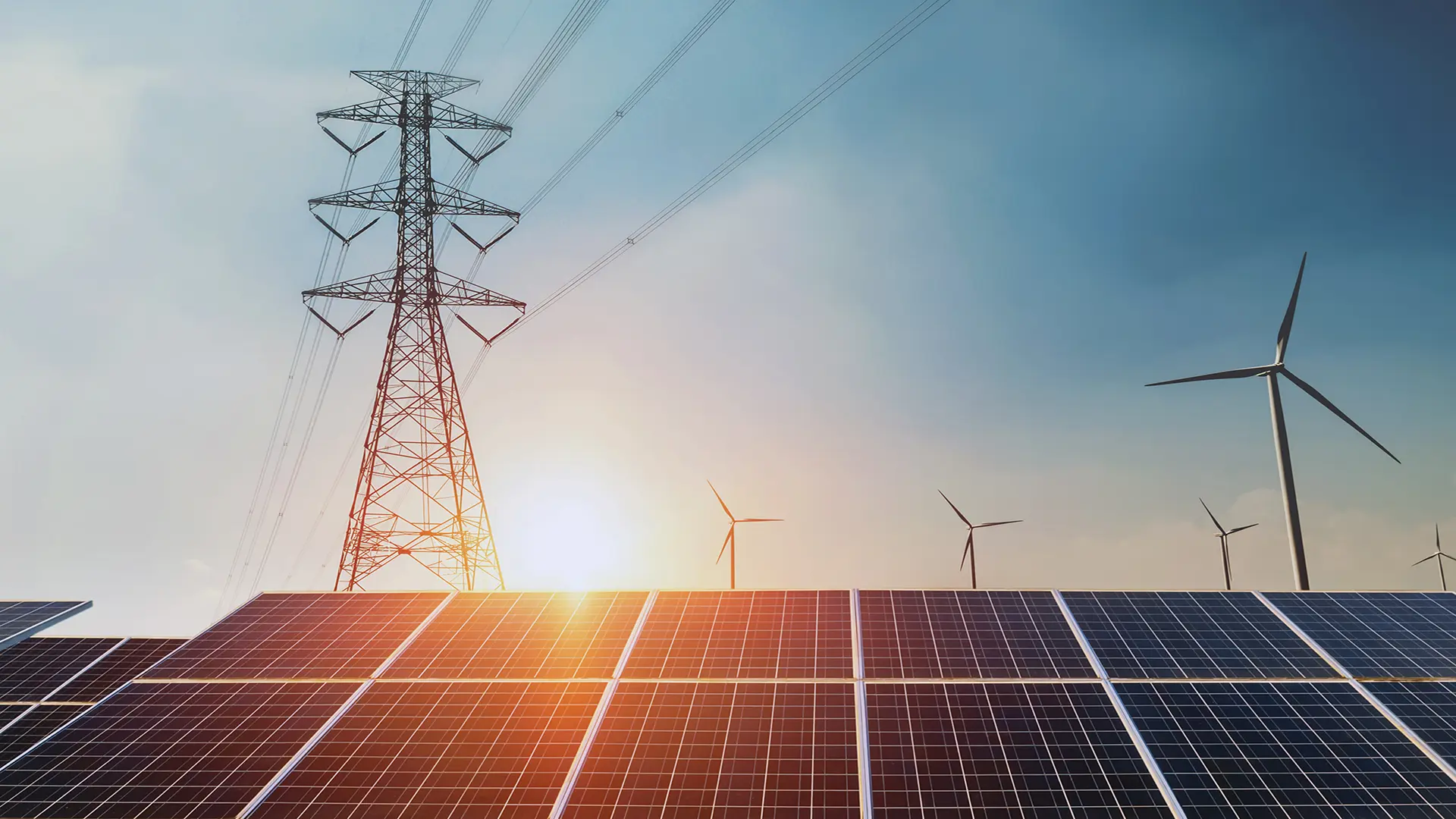
Researched by Indutrialinfo.com (Industrial Information Resources, Incorporated; Houston, Texas). The Pakri windfarm in Estonia will be one of the first such facilities in the world where income from carbon credits guarantees the economic feasibility of project. The 18.4 MW windfarm project is being constructed under the Kyoto Protocol and will see the sale of 500,000 tons of reduced greenhouse gas emissions to the Finnish Republic.
A subsidiary of Vardar, the Norwegian energy utility, Pakri Tuulepark, has ordered 8 x 2.3 MW N90 wind turbines from Nordex ((FRANKFURT: NDX) (Bornbach -Norderstedt, Germany) which will connect the turbines to the grid in Estonia on a turnkey basis by the end of the year. Nordex will also equip the windfarm with a mobile power crane which the company has developed for offshore windfarms. The crane system allows for replacement of all the main components of the turbines for service and maintenance purposes.
Pakri is situated on the Paldiski Peninsula on the Gulf of Finland that was the site for a Soviet (then Russian) naval and submarine base from 1968 to 1994. Nuclear reactors, which were used for training submariners and regional power supply, were dismantled under and the site was transferred to Estonia in 1995. Subsequently the two story reactors were encased in a concrete sarcophagus and the Estonians assumed responsibility for the final clean up by Estonian experts trained in the US.
After precautionary discounts are taken into account the windfarm will yield 56,000 MW hours annually which corresponds to about one per cent of Estonia's national electricity consumption. The yield projections is based on intensive wind measurements over a period of 42 months which showed an average wind speed of 8.0 meters per second at a turbine hub height of 80 meters. (The Nordex N90 turbine has a 90-meter diameter)
The project is supported by the Fifth Framework Programme of the European Commission that promotes the deployment of large-scale wind turbines in areas with poor infrastructure. The project will make possible the avoidance of 1.3 million tons of CO2.
Vardar is looking to establish a broad cooperation with Esti Energia. The local company owns oil shale plants and the greater part of the Estonian national grid. A joint venture could be established to build and run windfarms and possibly other renewable energy plants. There are only three small wind energy operations currently operating in Estonia. With three bigger projects (including Pakri) planned on Paldiski and surrounding regions another 90 MW could be added to total capacity. According to Europower, at current levels of energy consumption Estonia's targets for renewable energy, set by the EU, could be met with 100 MW of installed capacity.
/news/article.jsp
false
Want More IIR News Intelligence?
Make us a Preferred Source on Google to see more of us when you search.
Add Us On GoogleAsk Us
Have a question for our staff?
Submit a question and one of our experts will be happy to assist you.

Forecasts & Analytical Solutions
Where global project and asset data meets advanced analytics for smarter market sizing and forecasting.
Learn MoreRelated Articles

Industrial Project Opportunity Database and Project Leads
Get access to verified capital and maintenance project leads to power your growth.
Learn MoreIndustry Intel
-
2026 North American Labor OutlookPodcast Episode / Apr 24, 2026
-
2026 European Metals & Minerals Project Spending OutlookPodcast Episode / Apr 7, 2026
-
The Age of Critical Minerals in the AmericasPodcast Episode / Mar 20, 2026
-
2026 Regional Chemical Processing OutlookPodcast Episode / Mar 6, 2026
-
From Data to Decisions: How IIR Energy Helps Navigate Market VolatilityPodcast Episode / Nov 21, 2025