Power
India Intensifies Nuclear Power Plant Construction and Generation Plans
S.K. Jain, Chairman and Managing Director of the state-run Nuclear Power Corporation of India Limited (NPCIL) (Mumbai, Maharashtra), said recently...
Released Wednesday, December 10, 2008
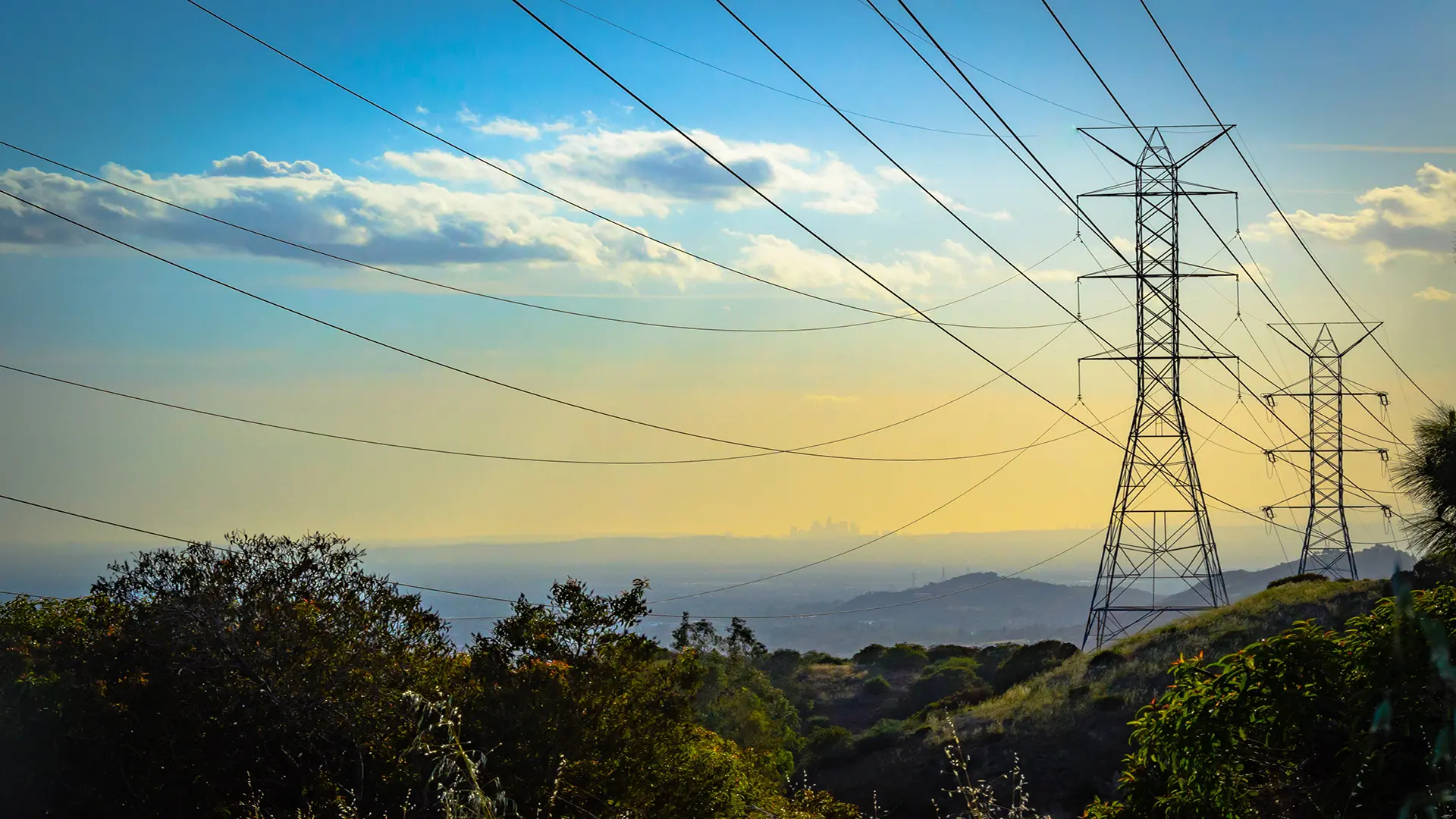
Researched by Industrial Info Resources (Sugar Land, Texas)--S.K. Jain, Chairman and Managing Director of the state-run Nuclear Power Corporation of India Limited (NPCIL) (Mumbai, Maharashtra), said recently that the company would set up a series of reactors with capacities ranging from 1,000 megawatts (MW) to 1,650 MW. Five or six coastal sites have already been identified for the reactors. The states of Andhra Pradesh and Tamil Nadu are included in this list. The corporation also intends to set up 10 light water reactors of at least 1,000 MW each in collaboration with companies worldwide. As part of long-term plans, NPCIL plans to set up 25 to 30 light water reactors by 2030. NPCIL is waiting for the central government's approval regarding the plans. Jain said that all efforts would be made to ensure that the price of the power generated by these plants is comparable to that generated by thermal power plants.
The Eleventh Five-Year Plan (2007-12) includes setting up 12 reactors, eight of which will be pressurized heavy water reactors (PHWR) of 700 MW each. Three will be fast breeder reactors (FBR) of 500 MW each, and the last one will be a 300-MW advanced heavy water reactor. Work on all the reactors is scheduled to begin in a few months, which presents an almost impossibly tight schedule for all the plants to be commissioned in 2012. The eight PHWRs were actually a part of India's Seventh Five-Year Plan, but restrictions on uranium mining caused delays that set back the overall schedule.
According to Jain, the plans are part of India's three-stage nuclear development program, and the current focus of the country is to expand capacity through indigenization. The Atomic Energy Commission (AEC) has identified some PHWRs that cannot be put in the civilian domain. Some will provide the fuel feed for the FBRs in the second stage along with the interconnecting fuel cycle or the reprocessing plants, and in the third stage, the thorium reactors from the uranium related fuel cycle. The Department of Atomic Energy (DAE) has confirmed its commitment to the thorium fuel cycle and has proposed to set up a dozen indigenously developed nuclear power reactors with thorium as the basic fuel feed. As the technology is not yet ready to be used on a commercial basis at the global level, Jain stressed the need to keep it out of the civilian domain and protect the development from external vulnerabilities. At present, imported conventional reactors will supplement these reactors. India has ample deposits of the thorium resource.
The current PHWR program under the AEC has about 4,400 MW in operation or under construction, with another 5,600 MW planned. Looking through 2050 the AEC foresees its FBR program growing to 30 to 40 times the current size. According to Jain, the program in the noncivilian domain has to be large since the country's energy independence can come about only through a three-stage nuclear power program. Other than building on its nuclear power generation program, there is practically no other way, in the longer term, to meet the country's base power shortage of 17%.
The plant load factor in the existing nuclear power plants is about 50% but this should soon go up to 80% with the availability of additional uranium. NPCIL recently commissioned another mine in Jaduguda, Bihar, and this will double the availability of uranium in the near future. The additional fuel will reduce the gap between fuel supplies and plant capacities. NPCIL requires about 1.2 million pounds of uranium to generate the 4,120 MW of power that is supplied to its 17 running plants. This quantity is not enough to allow the plants to run at full capacity. NPCIL is currently in talks with global vendors regarding contracts for long-term supplies of uranium and the corporation also intends to invest in uranium mining overseas. In fact, it has earmarked $1 billion to purchase stakes in four overseas uranium mines.
While companies in Africa, Canada, Kazakhstan, and the Russian Federation are being considered as possible suppliers of uranium, the world's largest supplier of uranium, Canada's Cameco Corporation (NYSE:CCJ) (Saskatoon, Saskatchewan), has expressed interest in doing business with India.
Industrial Info Resources (IIR) is a marketing information service specializing in industrial process, energy and financial related markets with products and services ranging from industry news, analytics, forecasting, plant and project databases, as well as multimedia services.
/news/article.jsp
false
Want More IIR News Intelligence?
Make us a Preferred Source on Google to see more of us when you search.
Add Us On GoogleAsk Us
Have a question for our staff?
Submit a question and one of our experts will be happy to assist you.

Forecasts & Analytical Solutions
Where global project and asset data meets advanced analytics for smarter market sizing and forecasting.
Explore Our SolutionsRelated Articles

Industrial Project Opportunity Database and Project Leads
Get access to verified capital and maintenance project leads to power your growth.
Discover Our DatabaseIndustry Intel
-
The Role of Contract Manufacturing in Global Pharma GrowthPodcast Episode / May 8, 2026
-
2026 North American Labor OutlookPodcast Episode / Apr 24, 2026
-
2026 European Metals & Minerals Project Spending OutlookPodcast Episode / Apr 7, 2026
-
The Age of Critical Minerals in the AmericasPodcast Episode / Mar 20, 2026
-
2026 Regional Chemical Processing OutlookPodcast Episode / Mar 6, 2026