Chemical Processing
Indonesia Proceeds with Fertilizer Industry Revitalization Program, but Struggles to Secure Gas Supplies
The Indonesian government is implementing a revitalization program in its fertilizer industry. The pre-feasibility study of the second phase of the program is under way.
Released Monday, March 29, 2010
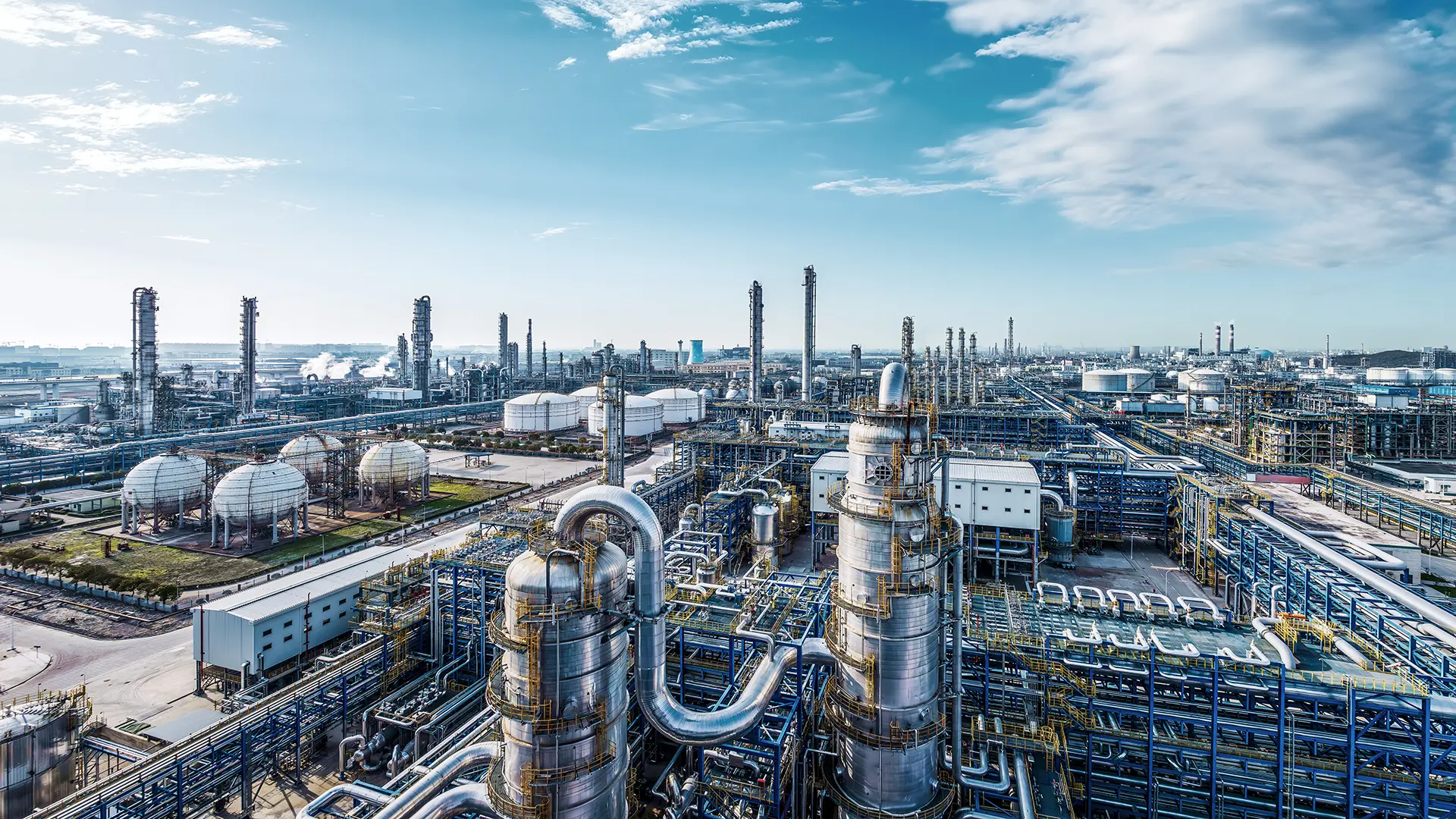
Researched by Industrial Info Resources (Sugar Land, Texas)--The Indonesian government is implementing a revitalization program in its fertilizer industry. The pre-feasibility study of the second phase of the program is under way, and according to an officer of the ministry, the second phase will require an additional investment of about $4.52 billion. The revitalization program is part of the government's strategy to enhance the agriculture sector and become self sufficient in food production, besides increasing the export of commodities.
The first phase of the revitalization program is still being implemented; according to the plans, the second phase will involve the development of five new urea fertilizer plants in areas that produce gas, and the development of infrastructure in those areas. According to Alexander Barus, the director of Downstream Chemical Industry at the Ministry of Industry, the most favorable areas for the new plants are the gas-rich Donggi-Senoro in Central Sulawesi, Masela in East Nusatenggara, and Tangguh in Papua.
According to data released by the holding company of state fertilizer producers, PT Pupuk Sriwijaya (PT Pusri) (Palembang, Indonesia), the combined production capacity of the five new fertilizer plants will be 5.77 million tons per year, each with a capacity of 1.155 million tons per year. Of the five plants, one will be set up at Donggi-Senoro; Masela I and II will be set up at Masela; and Tangguh I and II will be set up at Tangguh. However, all three sites lack infrastructure, access roads, electricity and water facilities, and seaports need to be built before the plants can begin production.
The second phase of the program will require a total gas volume of 455 million standard cubic feet per day, or 91 million standard cubic feet per day per plant. According to estimates made by the ministry, each plant would require an investment of about $700 million. Another $200 million would be required to develop the necessary infrastructure in the area. To eliminate the cost of gas processing, the new plants are likely to be fuelled by raw gas rather than by liquefied natural gas (LNG).
The contractors for the new projects have not been selected yet. According to early reports, PT Pusri may develop the plant at Donggi-Senoro and one at Tangguh, provided the company receives a confirmation from the government regarding a sufficient supply of gas. Dadang S. Kudri, the president and director of PT Pusri, said that the company is ready to invest up to $1 billion to construct the two plants. Construction would take about 33 months each. He said that while the plant at Donggi-Senoro would produce urea fertilizer only, the plant at Tangguh would produce both ammonia and urea fertilizers.
An acute shortage of natural gas has hit Indonesia's industrial sector pretty hard. Although it is one of the world's largest producers of natural gas, most of its production is exported in the form of LNG. The state-owned oil and gas company Pertamina (Jakarta, Indonesia) and its partners had expressed an interest in processing the gas from the Donggi-Senoro area into LNG for export purposes, but the plan stands cancelled as the government wants the gas to be available for the domestic market.
The gas shortage is adversely affecting the government's revitalization program, as about 57% of the additional fuel required to achieve the targeted production has yet to be secured. PT Pusri is in the middle of discussions with several gas supply companies to secure supplies. PT Pusri is of the opinion that for the program to succeed, the government must give state fertilizer plants first access to any available gas.
The revitalization program aims to improve the performance of 14 existing fertilizer plants owned by PT Pusri and subsidiaries PT Petrokimia Gresik (Gresik, Indonesia), PT Pupuk Iskandar Muda (Lhokseumawe, Indonesia), PT Pupuk Kaltim (Bontang, Indonesia), and PT Pupuk Kujang (Cikampek, Indonesia). PT Pupuk Kaltim is the only company that has successfully secured gas supplies for its plant.
Industrial Info Resources (IIR) is the leading provider of global market intelligence specializing in the industrial process, heavy manufacturing and energy markets. IIR's quality-assurance philosophy, the Living Forward Reporting Principle, provides up-to-the-minute intelligence on what's happening now, while constantly keeping track of future opportunities.
/news/article.jsp
false
Want More IIR News Intelligence?
Make us a Preferred Source on Google to see more of us when you search.
Add Us On GoogleAsk Us
Have a question for our staff?
Submit a question and one of our experts will be happy to assist you.

Forecasts & Analytical Solutions
Where global project and asset data meets advanced analytics for smarter market sizing and forecasting.
Explore Our SolutionsRelated Articles
-
U.S. Seeks New Section 301 Tariffs in Forced Labor FlapJune 18, 2026
-
Urenco Announces New U.S. Uranium Processing ExpansionJune 12, 2026
-
Germany's Hydrogen Support Fund Gets EU ApprovalJune 02, 2026

Industrial Project Opportunity Database and Project Leads
Get access to verified capital and maintenance project leads to power your growth.
Discover Our DatabaseIndustry Intel
-
Brazil: Efficiency, Innovation, and Opportunities in the Food & Beverage IndustryPodcast Episode / Jun 12, 2026
-
2026-2027 Investment Radar for Mexico, Central America & the CaribbeanPodcast Episode / May 29, 2026
-
Innovations Shaping the Next Era of Power GenerationPodcast Episode / May 22, 2026
-
The Role of Contract Manufacturing in Global Pharma GrowthPodcast Episode / May 8, 2026
-
2026 North American Labor OutlookPodcast Episode / Apr 24, 2026