Metals & Minerals
IREL Plans Orissa Titanium Plant on Build-Own-Operate Basis
State-owned Indian Rare Earths Limited (IREL) (Mumbai, India), operating under the Department of Atomic Energy (Mumbai) is looking for developers to set up a...
Released Wednesday, September 10, 2008
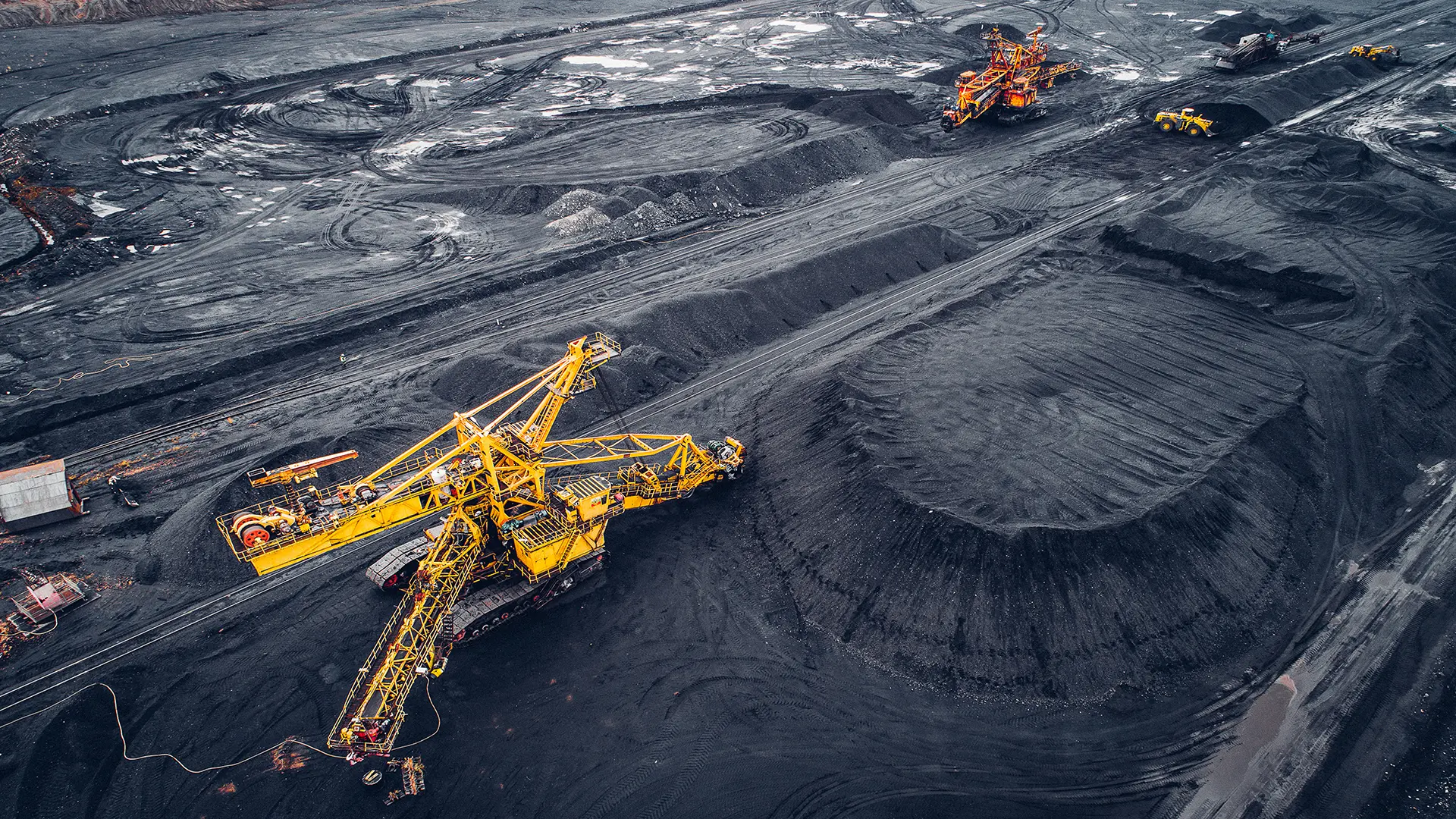
Researched by Industrial Info Resources (Sugar Land, Texas)--State-owned Indian Rare Earths Limited (IREL) (Mumbai, India), operating under the Department of Atomic Energy (Mumbai) is looking for developers to set up a new 10,000-ton-per-year titanium sponge plant in the Ganjam district of Orissa. The plant is to be set up on a build-own-operate mode in IREL's Orissa Sands Complex (OSCOM).
The project will be developed on a time-bound basis. The plant must be erected, tested, and commissioned within 60 months from the date of signing the agreement. The developer must have attained production capacity of the first 5,000 tons of the product within 72 months of signing the agreement. IREL has also communicated that the selected developer would have to hand over, as royalty, a fixed percentage of the product.
IREL will be extending support on several fronts to the developer. Ilmenite, or iron titanium oxide, is the main raw material used to obtain titanium. Subject to the approval of the Indian government and the Orissa government, IREL is willing to sublease the mining lease of the north sector II of the OSCOM plant. Based on reports, the area contains a minimum reserve of 7 million tons of ilmenite and other associated minerals. All mined ilmenite must be used in the new plant.
Additionally, IREL will also supply up to 50,000 tons per year of OR-grade ilmenite at a fixed price, or the developer can also choose to buy 15,000 tons per year of rutile at a fixed price from IREL. Both ilmenite and rutile will be obtained from OSCOM, and the supply agreement will last for a period of five years from the date of signing the mining lease.
IREL is willing to provide up to 40 hectares (100 acres) of land on a 20-year lease, provided the developer sets up the plant near OSCOM. Power up to 7 MW will be made available to the new plant. The developer can also use the existing railway siding for transporting raw materials and finished products. Both the land and power provisions are subject to government approval.
IREL has four units that operate in three different states. The Chavara Mineral Division in Kerala is involved in dry and wet mining as well as mineral separation. The plant's annual production capacity is 154,000 tons per year of ilmenite, 14,000 tons per year of zircon, 9,500 tons per year of rutile, and 7,000 tons per year of sillimanite. The Manavalakurichi (MK) Mineral Division in Tamil Nadu produces 90,000 tons per year of 55%-grade ilmenite and 10,000 tons per year of zircon. The plant also produces smaller quantities of monazite, rutile, and garnet. OSCOM produces 220,000 tons per year of 50%-grade ilmenite and associated minerals such as garnet, rutile, zircon, and sillimanite. A thorium plant at OSCOM produces 240 tons per year of mantle grade thorium nitrate. The Rare Earths Division (RED) at Aluva in Kerala is not involved in mining; it has a chemical plant that treats monazite obtained from MK and separates thorium as a hydroxide upgrade and rare earths in their composite chloride form. The plant treats about 3,600 tons per year of monazite.
Zircon is the mineral of interest for India's atomic energy program. The three mining units produce about 25,000 tons per year of zircon. However, only the Chavara and the MK grade zircon are suitable for the production of zircoloy, an alloy used in the nuclear power industry for its heat and corrosion resistant properties.
Through RED, IREL has also become involved in the production of nuclear-grade ammonium diuranate from all possible secondary resources. RED has facilities to recover uranium value not only from monazite and thorium hydroxide, but also from other secondary resources such as magnesium fluoride slag, residue from niobium and tantalum recovery plants, and phosphoric acid from fertilizer plants.
View Project File - 89001279
Industrial Info Resources (IIR) is a marketing information service specializing in industrial process, energy and financial related markets with products and services ranging from industry news, analytics, forecasting, plant and project databases, as well as multimedia services.
/news/article.jsp
false
Want More IIR News Intelligence?
Make us a Preferred Source on Google to see more of us when you search.
Add Us On GoogleAsk Us
Have a question for our staff?
Submit a question and one of our experts will be happy to assist you.

Forecasts & Analytical Solutions
Where global project and asset data meets advanced analytics for smarter market sizing and forecasting.
Explore Our SolutionsRelated Articles

PECWeb Global Market Intelligence Platform
Identify opportunities, anticipate change, and execute with confidence. PECWeb connects the industrial intelligence you need, from projects and assets to operational events, all in one platform.
Discover PecwebIndustry Intel
-
Brazil: Efficiency, Innovation, and Opportunities in the Food & Beverage IndustryPodcast Episode / Jun 12, 2026
-
2026-2027 Investment Radar for Mexico, Central America & the CaribbeanPodcast Episode / May 29, 2026
-
Innovations Shaping the Next Era of Power GenerationPodcast Episode / May 22, 2026
-
The Role of Contract Manufacturing in Global Pharma GrowthPodcast Episode / May 8, 2026
-
2026 North American Labor OutlookPodcast Episode / Apr 24, 2026