Industrial Manufacturing
Nation's Mass Transit Industry Underfunded at $40 Billion Annually
The list of cities with similar issues is long and distinguished, and the problems in maintenance funding are not limited to subway operations. The bottom line is ...
Released Friday, January 18, 2008
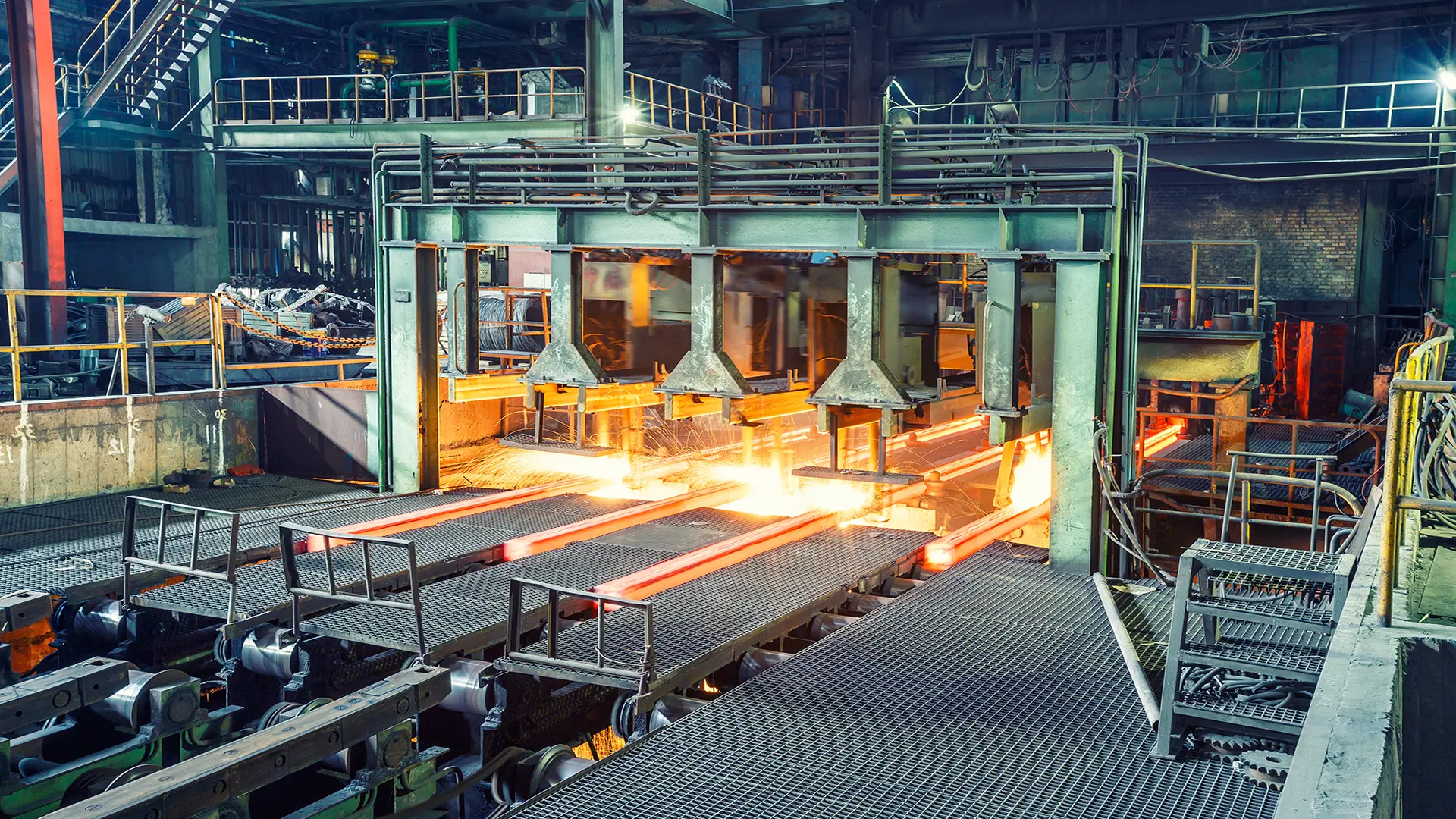
Researched by Industrial Info Resources (Sugar Land, Texas)--In 1870 New York City began its subway system operation. Today, 138 years and 500 miles of track later, the New York City subway system is in dire need of billions of dollars worth of general maintenance and repairs on an annual basis just to maintain its daily schedule of operation. Chicago's subway system, dubbed the "L," which started in 1892 and operates 242 miles of track, is in a similar state of emergency. The list of cities with similar issues is long and distinguished, and the problems in maintenance funding are not limited to subway operations. The bottom line is that the United States spends approximately $40 billion annually on maintenance and repairs of its infrastructure, but that is not nearly enough.
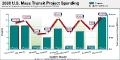 Click on the image to see a breakdown of 2008 U.S. mass transit spending.
A recent study by Cambridge Systematics Incorporated (Cambridge, Massachusetts) revealed that an additional $25 billion is required on an annual basis just to maintain the mass transit infrastructure in this country. This does not include the $100 billion-plus in funding that is being asked for to expand freight, commuter or light rail systems from coast to coast.
The backlog of project work across the U.S. is staggering with many transit entities struggling to get by each year, working with antiquated equipment and infrastructure. For example, in Chicago the average age of the rail cars currently operating on the Chicago Transit Authority's (CTA) (Chicago, Illinois) L is 23 years. The maximum recommended lifespan of a mass transit rail car is 25 years, and nearly a third of CTA's fleet exceed that. In addition, portions of the L track are in such bad shape that trains designed to travel at 50 mph are slowed to 5 mph in places.
On the freight rail side, a recent study suggests that $148 billion worth of upgrades and modifications, at a minimum, will be required over the next 28 years to upgrade, modernize and repair the nation's freight rail system. Without this critical funding and project work, much of the freight that is transported across the country will be forced back onto the roadways, as the rail system will simply not be able to keep up with demand.
The mass transit industry, both in terms of people transportation and product transportation, needs an influx of capital in the next decade, but there is no concrete plan in place to address these issues. Studies are performed, but they all appear to reach the same conclusions: More money is needed. The real issue is where the funding will come from.
With the war in Iraq still in full swing, federal funding has been limited. On the state level, governments continue to squabble over funding the transit agencies within their borders, and local agencies must rely on state and federal funding or additional taxation of residents for their annual budgets.
Currently, $22 billion worth of mass transit projects are scheduled to begin construction during 2008 in the U.S. The majority of this work is expansion rather than maintenance and upgrade. While expansion is necessary, it also is easier to get funded, as expanding is much "sexier" than maintaining existing infrastructure. Everyone wants light or commuter rail in their community. Everyone is interested in getting motor vehicles off the roads to help save the environment. However, when it comes to addressing additional funding for annual maintenance and upgrade work, not everyone is willing to get on board. Yet, when those same rail systems begin to break down and service is interrupted, or worse, when trains derail because of poorly maintained rail systems that have been unable to find the necessary funding to keep them safe, you can bet that everyone is up in arms.
Industrial Info Resources (IIR) is the leading marketing information services company for the industrial process, heavy manufacturing and energy-related markets throughout the world. Celebrating its 25th anniversary, IIR provides accurate and timely intelligence featuring plant and project information databases, focused market databases, industry forecasting, key industry contacts, industry and territorial map products, direct marketing services and applications, and daily industry news.
/news/article.jsp
false
Want More IIR News Intelligence?
Make us a Preferred Source on Google to see more of us when you search.
Add Us On GoogleAsk Us
Have a question for our staff?
Submit a question and one of our experts will be happy to assist you.

Forecasts & Analytical Solutions
Where global project and asset data meets advanced analytics for smarter market sizing and forecasting.
Learn More
Industrial Project Opportunity Database and Project Leads
Get access to verified capital and maintenance project leads to power your growth.
Learn MoreIndustry Intel
-
2026 North American Labor OutlookPodcast Episode / Apr 24, 2026
-
2026 European Metals & Minerals Project Spending OutlookPodcast Episode / Apr 7, 2026
-
The Age of Critical Minerals in the AmericasPodcast Episode / Mar 20, 2026
-
2026 Regional Chemical Processing OutlookPodcast Episode / Mar 6, 2026
-
From Data to Decisions: How IIR Energy Helps Navigate Market VolatilityPodcast Episode / Nov 21, 2025