Power
Siemens Energy Chosen as Technology Partner for Finnish CCS Project
Siemens Energy (Erlangen, Germany) has been selected as the technology partner for the carbon capture and storage project planned at the 565-megawatt coal-fired power plant at ...
Released Friday, October 16, 2009
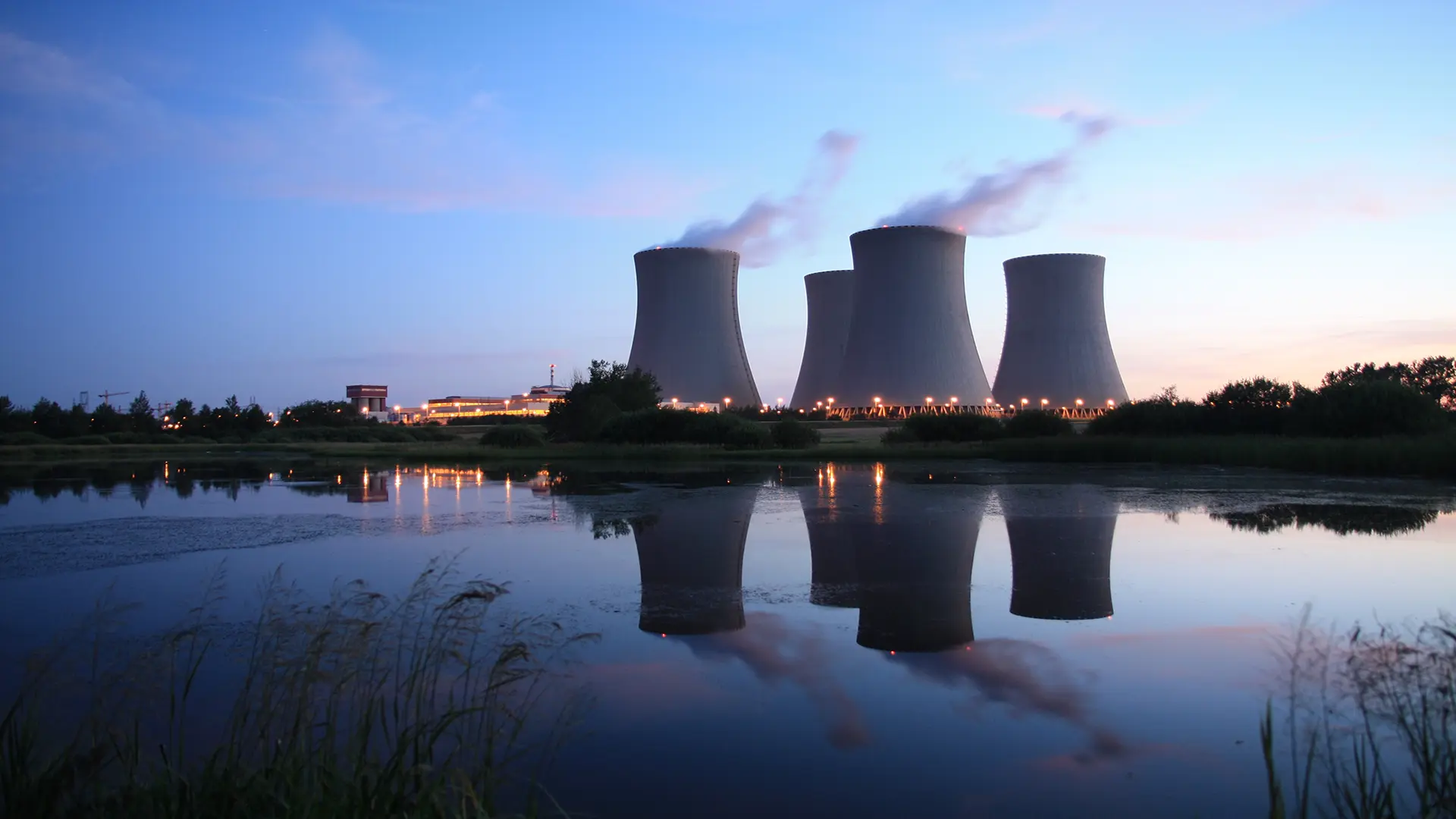
Researched by Industrial Info Resources (Sugar Land, Texas)--Siemens Energy (Erlangen, Germany), a subsidiary of Siemens AG (NYSE:SI) (Munich, Germany), has been selected as the technology partner for the carbon capture and storage (CCS) project planned at the 565-megawatt (MW) coal-fired power plant at Meri-Pori in Finland. Siemens Energy was shortlisted by plant owners Fortum Oyj (HEL:FUM1V) (Espoo, Finland) and Teollisuuden Voima Oyj (TVO) (Helsinki, Finland). The selection was based on Siemens Energy's technology expertise in the sector.
As part of the proposed venture, a pilot-scale version of Siemens Energy's post-combustion carbon-capture technology will be implemented, which will process about 50% of the flue-gas emissions from the power plant and recover 90% of the carbon dioxide from the effluent stream.
This CCS demonstration project at Meri-Pori is said to be the largest in Europe to date. The Fortum-TVO consortium plans to apply for the European Flagship Program based on the complete solution, which includes transportation and storage of carbon dioxide, in addition to Siemens Energy's capture technology. The first phase of the Flagship Program selection process is likely to be cleared by 2011, subsequent to which the stakeholders are expected to finalize the investment details by 2011-12. The Meri-Pori power plant is slated to commence operations by 2015.
Capture technology generally involves repetitive adsorption (scrubbing) of carbon dioxide from the flue-gas stream using a solvent and regenerating (stripping) the solvent from the resulting mixture, thereby separating carbon dioxide. Solvent regeneration consumes large quantities of heat, mainly derived from the low-pressure steam cycle of the power plant. Also, compression of carbon dioxide for storage purposes drains some amount of energy from the power plant, cutting down the net efficiency of the plant.
Siemens Energy's technology was chosen from among several other competitors based on emissions control, energy efficiency, eco-friendliness and financial viability. The firm has experimented with a range of solvents and processes to arrive at a proven process-solvent combination that offers optimal performance. The firm's amino-acid-salt-based capture technology ensures zero solvent-loss during the scrubbing and stripping processes, a high rate of adsorption, low levels of energy consumption and oxygen degradation, and an eco-friendly solvent.
Power output data from 2008 reveals that about 92% of power produced by Fortum in Europe is already free from carbon dioxide, while the 14.5 terawatt-hours of carbon-dioxide-free energy output from TVO's Olkiluoto nuclear power plant represents 16% of Finland's annual energy consumption. With Siemens Energy as the capture technology partner, Forum and TVO are set to minimize emissions from coal-based plants to a negligible level, saving about 1.25 million tons of carbon-dioxide emissions per year.
Finland, which is already a major clean energy producer, draws about 20% of its energy requirements from bio-energy sources. By 2020, the country hopes to achieve renewable energy consumption of 38%, including a 10% biofuel consumption share in the transport sector. By 2015, a 25% increase in clean-energy consumption has been planned, which will eventually be ramped up to 40% by 2025.
Based on the targets set for 2020 by the European Union, Finland is required to increase the consumption of renewable energy by 9.5 percentage points compared to 2005 consumption volumes, resulting in 38% of total energy consumption. The country is also required to reduce greenhouse-gas emissions in the agriculture, housing and transport sectors, which are not part of the emissions-trading sectors, by about 16% from 2005 levels during the same period. For sectors using emissions-trading facilities, the emissions cap has been set at 21% lower than 2005 levels.
Most of Finland's power plants and heating units rely on coal for operation. The successful completion of the Meri-Pori demonstration CCS project will help the country reduce emissions in its coal-based ventures.
View Plant Profile - 1057954
Industrial Info Resources (IIR) is the leading provider of global market intelligence specializing in the industrial process, heavy manufacturing and energy related markets. For more than 26 years, Industrial Info has provided plant and project opportunity databases, market forecasts, high resolution maps, and daily industry news.
/news/article.jsp
false
Want More IIR News Intelligence?
Make us a Preferred Source on Google to see more of us when you search.
Add Us On GoogleAsk Us
Have a question for our staff?
Submit a question and one of our experts will be happy to assist you.

Forecasts & Analytical Solutions
Where global project and asset data meets advanced analytics for smarter market sizing and forecasting.
Explore Our SolutionsRelated Articles
-
Turkey Announces New Wind and Solar DriveJuly 24, 2026
-
Nuclear Resurgence Spurs Permitting, Supply Chain IssuesJuly 24, 2026
-
GE Vernova Orders Up 88% Year-over-YearJuly 23, 2026

PECWeb Global Market Intelligence Platform
Identify opportunities, anticipate change, and execute with confidence. PECWeb connects the industrial intelligence you need, from projects and assets to operational events, all in one platform.
Discover PecwebIndustry Intel
-
European Chemicals and Transport Fuels OutlookPodcast Episode / Jul 10, 2026
-
2026 European Petroleum Refining Project OutlookPodcast Episode / Jun 26, 2026
-
Brazil: Efficiency, Innovation, and Opportunities in the Food & Beverage IndustryPodcast Episode / Jun 12, 2026
-
2026-2027 Investment Radar for Mexico, Central America & the CaribbeanPodcast Episode / May 29, 2026
-
Innovations Shaping the Next Era of Power GenerationPodcast Episode / May 22, 2026
