Power
South African Business Expansion at Risk with Eskom Power Outages
The management of the state's power utility Eskom was meeting with business leaders to find ways to cut power consumption by up to 15% for the next five...
Released Wednesday, January 23, 2008
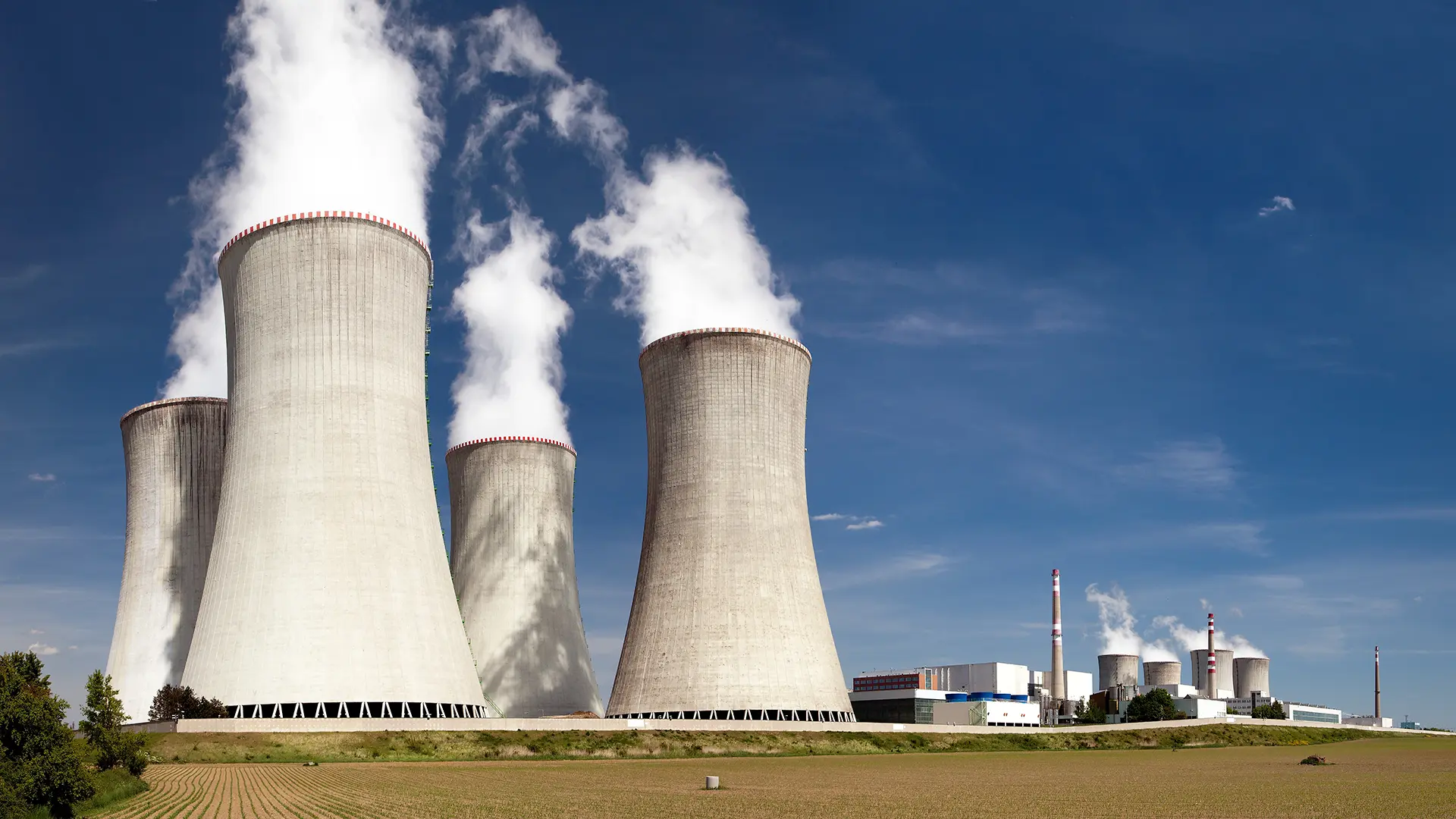
Reported by Richard Finlayson, Senior International Editor for Industrial Info Resources (Sugar Land, Texas)--The atmosphere in a Johannesburg suburban hardware store on Monday afternoon had some of the contained frenzy of a crowd at an airport desperate to get out of a beleaguered city. The shop was blacked out in a power outage, except for the cash registers, as a queue of people snaked around the counter loading up on standby lighting units and mini gas stoves. The suburb had been hit by the second power outage of the day and was preparing for more of the same morning and afternoon (and sometimes evening) outages it had been suffering for a week or more with no respite in sight. Their experience is the same as that suffered by homes, businesses and industries all over South Africa.
The management of the state's power utility Eskom was meeting with business leaders to find ways to cut power consumption by up to 15% for the next five years to contain the effect of an overall power deficit caused by the lack of new generation capacity over a period when the country's economy was chasing a growth target of 6% per year.
Eskom has said that it might put major new power intensive projects under review and has urged stalling their promotion until power supplies and reserves are back in balance in 2013. Current expansion plans in the mining and heavy industries sectors will probably be completed, but new projects are in for scrutiny.
Anglo Platinum will need an additional 500 megawatts (MW), above its current consumption of 1,000 MW, to implement planned projects and cope with a 5% to 6% annual increase in refined metal output. The company, which produces 40% of the world's platinum, has budgeted $5.63 billion for expansion projects through 2010. BHP Billiton, South Africa's largest power consumer, cannot commit to the expansion of two of its aluminum smelters until additional power is guaranteed beyond 2010, and Rio Tinto's planned Coega smelter could be postponed once again. Agriculture and the domestic and export food supply, production and cold chains are taking a hit as are small and midsize businesses.
Although the industry has expressed a willingness to join the battle to cut consumption, many are waiting to hear of vigorous, short-term plans to meet the crisis as many companies are looking at the cost implications of providing their operations with full capacity generator standby power. Eskom must already look to the government to back the $43 billion it has planned to spend on infrastructure over the next five years. Even if power and packaged power generation sets can be imported, the bill will mount.
Eskom, which for years has supplied the world's cheapest power, is raising tariffs by 14.2% this year with annual increments of the same order predicted. Apart from government shilly-shallying on new power-station construction, the low rates for power made it difficult for independent producers to enter the market with viable operations. In the late 1990s, power shortages beginning in 2006 were predicted, but the government hopped from one policy to another and ignored warnings.
Just to fill Eskom's cup, the country's environment minister has warned that the 1980s power stations, which are being de-mothballed to help fill the power gap, will have to adhere to much more stringent pollution control regulations than applied in their original operating phase.
In order to supply the domestic market, Eskom has cut power exports to Zambia and Zimbabwe. Both countries experienced blackouts over the weekend, hitting the mining industry as well as the long-suffering residents. Losses are estimated at millions of dollars, and pumping problems and equipment damage due to the cuts will have hangover effects on operations.
The power shortage is now very much out in the open in South Africa. Recent political shifts in the ruling ANC party have focused the voice of organized labor, which is pro-growth and pro-exports in terms of job creation and poverty alleviation. It is possible that industry and labor will find some sense of identity toward the power problem and find some shorter-term packaged solutions based on good technical advice and acceptable risks. Eskom might not be averse to someone else risking the answer.
For related information, view December 14, 2007, article - SPX Wins $235 Million Contract in South Africa's Volatile Power Scene.
Industrial Info Resources (IIR) is the leading marketing information services company for the industrial process, heavy manufacturing and energy-related markets throughout the world. Celebrating its 25th anniversary, IIR provides accurate and timely intelligence featuring plant and project information databases, focused market databases, industry forecasting, key industry contacts, industry and territorial map products, direct marketing services and applications, and daily industry news.
/news/article.jsp
false
Want More IIR News Intelligence?
Make us a Preferred Source on Google to see more of us when you search.
Add Us On GoogleAsk Us
Have a question for our staff?
Submit a question and one of our experts will be happy to assist you.

Forecasts & Analytical Solutions
Where global project and asset data meets advanced analytics for smarter market sizing and forecasting.
Explore Our SolutionsRelated Articles
-
Data Centers Push Vistra to Grow U.S. Nuclear, Natural Gas F...August 25, 2026
-
Typhoon Saudel Threatens Okinawa, Eastern ChinaAugust 25, 2026
-
DOE Seeking Loan Applicants for U.S. Energy Projects Favored...August 25, 2026

PECWeb Global Market Intelligence Platform
Identify opportunities, anticipate change, and execute with confidence. PECWeb connects the industrial intelligence you need, from projects and assets to operational events, all in one platform.
Discover PecwebIndustry Intel
-
European Chemicals and Transport Fuels OutlookPodcast Episode / Jul 10, 2026
-
2026 European Petroleum Refining Project OutlookPodcast Episode / Jun 26, 2026
-
Brazil: Efficiency, Innovation, and Opportunities in the Food & Beverage IndustryPodcast Episode / Jun 12, 2026
-
2026-2027 Investment Radar for Mexico, Central America & the CaribbeanPodcast Episode / May 29, 2026
-
Innovations Shaping the Next Era of Power GenerationPodcast Episode / May 22, 2026