Production
Sub-Saharan African Growth Depends on Global Commodity Demand, Chinese Growth, Says IMF
Overall growth across Sub-Saharan Africa should accelerate this year, 'especially [among] fragile states and oil exporters,' according to the International Monetary Fund's outlook
Released Tuesday, May 06, 2014
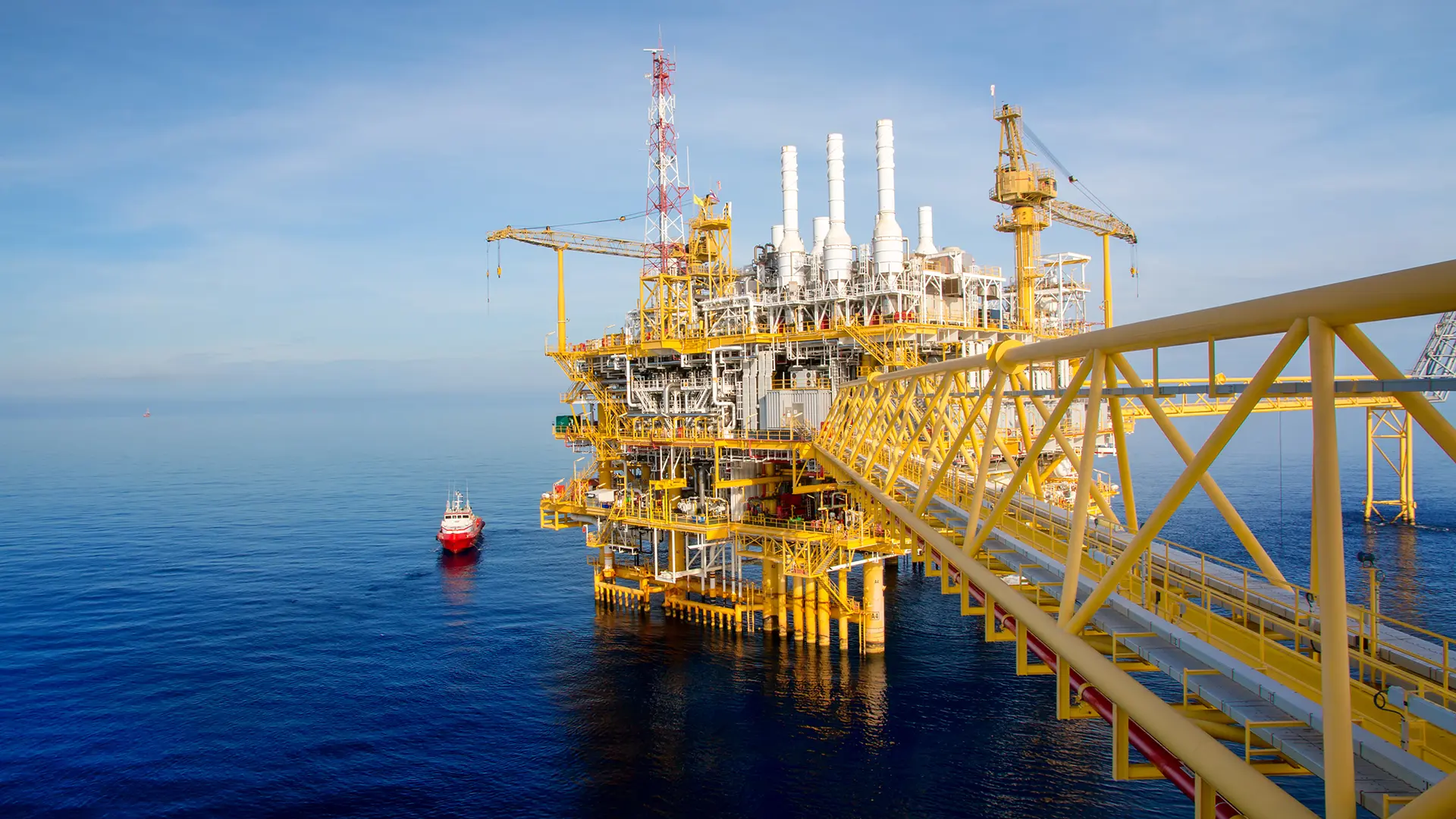
Written by Richard Finlayson, Senior International Editor for Industrial Info Resources (Sugar Land, Texas)--Overall growth across Sub-Saharan Africa should accelerate this year, "especially [among] fragile states and oil exporters," according to the International Monetary Fund's (IMF) (Washington D.C.) economic outlook for the region.
Economic growth in the region is expected to rise to 5.5% during 2014, from 4.9% in 2013. Growth in middle-income countries is projected to increase about 0.3% in 2014 and accelerate further in 2015, helped by sustained exports--especially to advanced economies--in addition to ongoing investments and improved business confidence.
In Nigeria, the IMF projects growth to be broad-based, rising to about 7% in both 2014 and 2015 as major oil pipelines are repaired and non-oil output continues to expand.
Economic activity in the region continues to be underpinned by large investments in infrastructure, mining and maturing investments. But the IMF warned that the high growth enjoyed by many Sub-Saharan nations in recent years has been supported by strong growth in the largest emerging market economies.
"Should growth in these countries, and particularly in China, slow much more that currently envisaged, the implications for the region could be significant," said the report.
In the event of a slowdown, many countries would face lower export demand. The outlook for some commodity prices, particularly copper and iron ore, "would likely also be grim, with adverse implications for further mining investment for these commodities."
A significant share of the region's trade is now with emerging markets. One third of non-oil exports of the region go to the BRIC countries of Brazil, Russia, India and China, compared with less than 10% a decade ago. Apart from the direct demand channel, growth in emerging economies, notably China, has fuelled growth in Sub-Sahara Africa through high commodity prices and investment flows, the report said.
Weaker commodity prices and slower growth in emerging markets may also reduce net inflows of foreign direct investment, which are particularly important in natural-resource-rich, low-income countries and fragile states, the report warned.
"These factors could also reduce external investors' interest in the exploration and development of new sources, and softening economic conditions in originating countries could result in the postponement or rescaling of some of these initiatives, particularly greenfield projects that are still in the early phase of development," the report said.
Growth in South Africa is set to improve modestly, supported by strengthening external demand, but hampered by tightening global financial conditions and domestic monetary policies, soft commodity prices, tense industrial relations and continuing supply bottlenecks, including in the energy sector.
Growth is expected to remain strong or accelerate in other countries with the help of "massive investments in infrastructure," including mining in Ethiopia, Liberia, Mozambique, Uganda, Democratic Republic of Congo (DRC), Mozambique, Niger and Sierra Leone; improved transportation in Mozambique; and expanded capacity in the energy sector in Ethiopia and Tanzania.
The report concluded that sustained economic expansion and job creation in the region will require continued sound macroeconomic policies and the removal of structural distortions. This needs to be supplemented by significant improvements in infrastructure to lower the cost of doing business and increase output.
According to a recent World Bank (Washington D.C.) report, net foreign direct investments in the region increased 16%, to a near-record $43 billion, in 2013. The bank said foreign director investments were boosted by new oil and gas discoveries in countries, including Angola, Mozambique and Tanzania.
In the first 10 months of 2013, China's direct investment in African non-financial sectors increased 71.6% from the same period in 2012 to $2.54 billion, as reported by the Chinese Ministry of Commerce. Zhang Wei, vice-chairman for the Council for the Promotion of International Trade, told Xinhua News Agency that more than 2,000 Chinese companies are investing in Africa in sectors such as agriculture, infrastructure, finance, logistics and construction.
Industrial Info Resources (IIR), with global headquarters in Sugar Land, Texas, three offices in North America and 10 international offices, is the leading provider of global market intelligence specializing in the industrial process, heavy manufacturing and energy markets. Industrial Info's quality-assurance philosophy, the Living Forward Reporting Principle, provides up-to-the-minute intelligence on what's happening now, while constantly keeping track of future opportunities.
/news/article.jsp
false
Want More IIR News Intelligence?
Make us a Preferred Source on Google to see more of us when you search.
Add Us On GoogleAsk Us
Have a question for our staff?
Submit a question and one of our experts will be happy to assist you.

Forecasts & Analytical Solutions
Where global project and asset data meets advanced analytics for smarter market sizing and forecasting.
Learn More
Industrial Project Opportunity Database and Project Leads
Get access to verified capital and maintenance project leads to power your growth.
Learn MoreIndustry Intel
-
2026 Regional Chemical Processing OutlookOn-Demand Podcast / Mar. 2, 2026
-
From Data to Decisions: How IIR Energy Helps Navigate Market VolatilityOn-Demand Podcast / Nov. 18, 2025
-
Navigating the Hydrogen Horizon: Trends in Blue and Green EnergyOn-Demand Podcast / Nov. 3, 2025
-
ESG Trends & Challenges in Latin AmericaOn-Demand Podcast / Nov. 3, 2025
-
2025 European Transportation & Biofuels Spending OutlookOn-Demand Podcast / Oct. 27, 2025