Production
Twenty Years Ago, Hurricane Katrina Changed the Gulf Coast and the Energy Industry
On August 29, 2005, Hurricane Katrina made landfall near Buras, Louisiana, and became one of the most devastating natural disasters in American history.
Released Friday, August 29, 2025
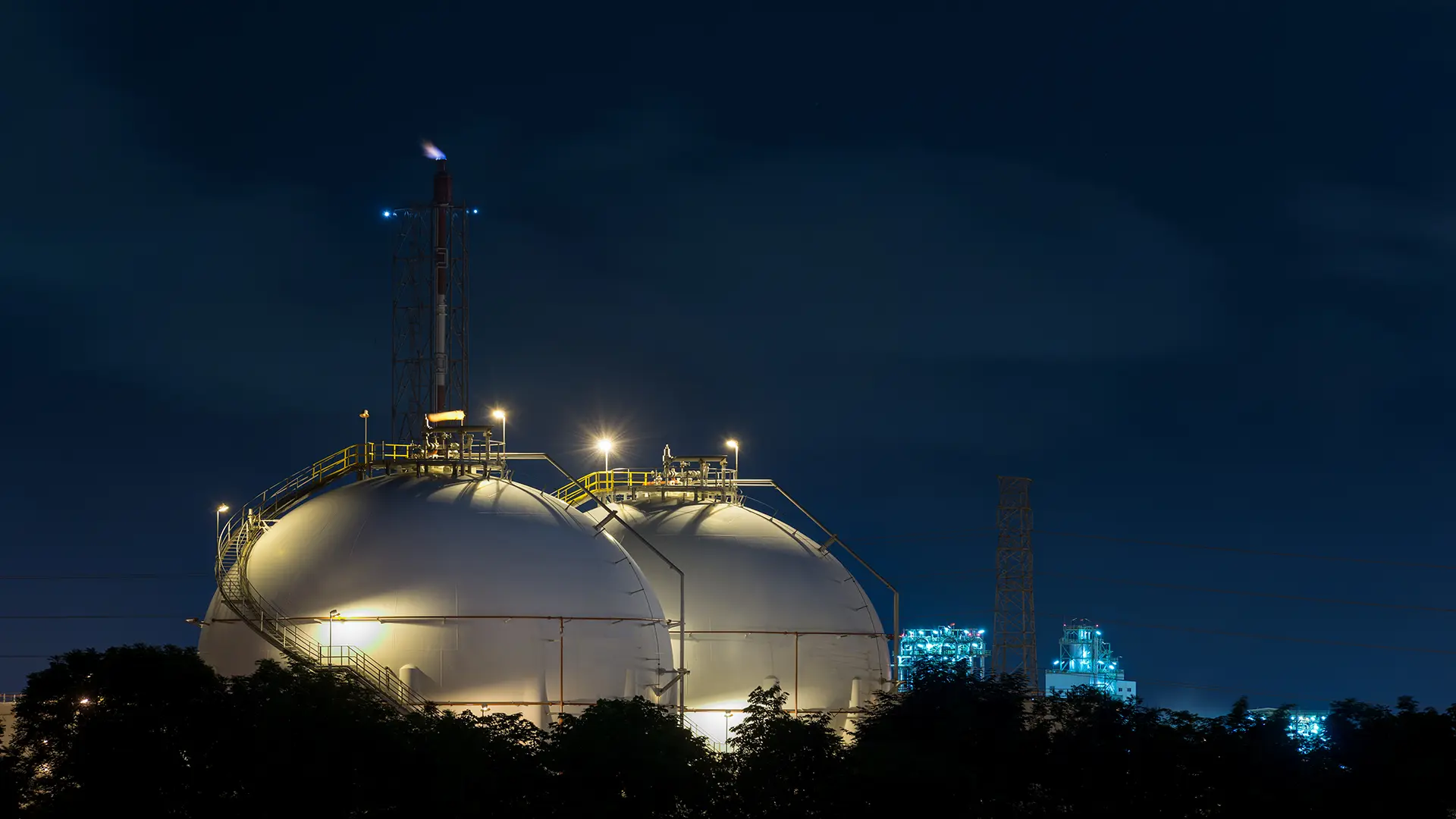
Written by Aaron Studwell for Industrial Info Resources (Sugar Land, Texas)--On August 29, 2005, Hurricane Katrina made landfall near Buras, Louisiana, and became one of the most devastating natural disasters in American history. Two decades later, its impact endures not only in the collective memory of New Orleans and the Mississippi coast, but also within the energy industry that fuels the Gulf Coast and much of the nation.
The disturbance that eventually became Hurricane Katrina was first identified as a tropical wave moving off the coast of Africa on August 19, 2005. The National Hurricane Center began monitoring it for potential tropical development as it crossed the Atlantic. By August 23, the wave and associated low was classified as a tropical depression over the Bahamas, which rapidly intensified into a hurricane as it crossed southern Florida on August 25.
After briefly weakening due to the land interaction, Katrina entered the Gulf of Mexico where record-warm sea surface temperatures and favorable upper-level conditions fueled rapid intensification. By August 28, Katrina had become a deadly Category 5 hurricane with sustained winds topping 170 miles per hour (mph) and a central pressure of 902 millibars--one of the lowest ever recorded in the Atlantic basin.
Despite its slight weakening prior to landfall, Katrina maintained its Category 5 strength with maximum sustained winds of 150 mph. The storm's sheer size, with hurricane-force winds extending 120 miles from the center, ensured catastrophic damage across the northern Gulf Coast.
For New Orleans, Katrina was less about the direct force of the winds and more about the storm surge. The surge overwhelmed the city's levee system, flooding 80% of the metropolitan area and displacing hundreds of thousands of residents. Further east, the Mississippi coast endured the direct impact of the eastern (stronger) eyewall with maximum sustained winds of 120 mph and storm surge reaching 17 to 22 feet from Gulfport to Pascagoula, Mississippi, penetrating at least six miles inland, with records up to 12 miles inland in bays and river inlets.
While the human impacts are rightfully remembered first, Katrina also marked a watershed moment for the energy industry. During late summer 2005, roughly 30% of U.S. oil production and nearly 20% of natural gas production came from the Gulf of Mexico.
At Katrina's peak impact on offshore output, the Minerals Management Service reported about 8.8 billion cubic feet per day of natural gas and almost 1.5 million barrels per day of crude oil shut in (about 88% of gas and 95% of oil production in the federal Gulf), based on its August 30, 2005, update. Offshore, Katrina destroyed 46 platforms and damaged more than 100 others, leading to the single largest disruption of domestic energy supply in U.S. history up to that point.
Onshore, the storm knocked out key refineries in Louisiana and Mississippi, which collectively represented more than 10% of U.S. refining capacity. Power outages compounded the disruptions, halting pipeline operations and delaying the restart of facilities. The national average gasoline price spiked sharply, surging from $2.65 per gallon on August 25 to $3.07 on September 5, an increase of 16%.
This was the first time that gasoline surpassed $3 per gallon nationally, sending shockwaves through the broader economy. For weeks, supply chains scrambled to adapt, and the U.S. government released crude oil from the Strategic Petroleum Reserve (SPR) to stabilize markets. Roughly 9.8 million barrels of crude oil were loaned to refiners whose supply had been disrupted in the days immediately following landfall. On September 6, the Department of Energy announced the sale of 11 million barrels of crude oil from the SPR to stabilize markets.
Katrina also accelerated long-term change through the energy industry. The storm highlighted the fragility of U.S. energy infrastructure in the face of natural disasters, spurring both industry and policymakers to reconsider resilience strategies. Offshore, design standards for platforms were strengthened to withstand larger storm surges and waves. Refineries invested heavily in flood protection, elevating equipment and fortifying levees around critical plants.
Twenty years later, the Gulf remains a key contributor to U.S. energy production and the lessons of Katrina endure. As climate change contributes to rising sea levels and potentially stronger hurricanes, the balance between energy security and environmental vulnerability remains a pressing challenge.
Industrial Info Resources (IIR) is the leading provider of industrial market intelligence. Since 1983, IIR has provided comprehensive research, news and analysis on the industrial process, manufacturing and energy related industries. IIR's Global Market Intelligence (GMI) helps companies identify and pursue trends across multiple markets with access to real, qualified and validated plant and project opportunities. Across the world, IIR is tracking over 200,000 current and future projects worth $17.8 trillion (USD).
/news/article.jsp
false
Want More IIR News Intelligence?
Make us a Preferred Source on Google to see more of us when you search.
Add Us On GoogleAsk Us
Have a question for our staff?
Submit a question and one of our experts will be happy to assist you.

Forecasts & Analytical Solutions
Where global project and asset data meets advanced analytics for smarter market sizing and forecasting.
Explore Our SolutionsRelated Articles
-
Equinor's U.S, Global Oil & Gas Output Hits RecordsMay 08, 2026
-
Maintenance Curbs U.S. LNG ActivityMay 08, 2026

Industrial Project Opportunity Database and Project Leads
Get access to verified capital and maintenance project leads to power your growth.
Discover Our DatabaseIndustry Intel
-
The Role of Contract Manufacturing in Global Pharma GrowthPodcast Episode / May 8, 2026
-
2026 North American Labor OutlookPodcast Episode / Apr 24, 2026
-
2026 European Metals & Minerals Project Spending OutlookPodcast Episode / Apr 7, 2026
-
The Age of Critical Minerals in the AmericasPodcast Episode / Mar 20, 2026
-
2026 Regional Chemical Processing OutlookPodcast Episode / Mar 6, 2026