Metals & Minerals
Use of Hydrogen in Industry Comes from Two Directions
The discussion of how to integrate industry into the hydrogen economy involves two different aspects of 'use.' Currently, the great majority of hydrogen is already used in industry--as a feedstock
Released Monday, July 25, 2022
Reports related to this article:
Project(s): View 3 related projects in PECWeb
Plant(s): View 1 related plant in PECWeb
Written by Paul Wiseman for Industrial Info Resources (Sugar Land, Texas)--The discussion of how to integrate industry into the hydrogen economy involves two different aspects of "use." Currently, the great majority of hydrogen is already used in industry--as a feedstock. It goes into ammonia, which becomes fertilizer, which boosts food production across the globe. It is used in metals production and medicine (to make hydrogen peroxide, a disinfectant).
Hydrogen also is used in oil and gas refining, in hydrocracking, to reduce sulfur in diesel. It also is a base ingredient in methanol.
But the true goal of the hydrogen economy is to reduce the burning of fossil fuels that release CO2 and other petroleum-based byproducts. Here, the future of hydrogen is murkier because in processes like smelting steel and making concrete, the process itself gives off CO2.
In 2020, the Rocky Mountain Institute issued a report stating: "The industrial processes used in the production of things like steel, cement, glass and chemicals all require high temperature heat. For these hard-to-abate sectors, there is essentially no way to reach net-zero emissions at the scale required without using hydrogen."
Actually getting to zero emissions in some industries is currently out of reach, the steel industry being at the top of that list. It currently releases 3 billion metric tons of CO2 per year--more than all but two entire nations. So any notable reduction would be significant on a global scale, assuming widespread adoption of new technology.
The most common method of turning iron ore into carbon steel requires temperatures of 2,000 degrees Fahrenheit. Coke, a coal product, and limestone combine with the ore to make molten pig iron, which itself has a carbon content of 4% to 5%, hence the name carbon steel. Reaching those intense temperatures otherwise is the challenge.
Newer processes use a combination of hydrogen and natural gas to create syngas, which fires furnaces at 1,000 degrees Fahrenheit. The direct reduced iron (DRI) that comes out through this process several hours later has a carbon content of 1-4%. It then goes to an electric arc furnace to become steel. By using natural gas and hydrogen for fuel, this process reduces the carbon footprint by 35-40%, and even more if the electricity comes from renewable sources.
Concrete Production
Some figures show that the concrete industry is responsible for 8% of global CO2 emissions and 5.5% of total emission of greenhouse gas. Reducing CO2 emissions in the industry is complicated because the gas is released both by fuel combustion to heat the mix of limestone, fine and course gravels and other ingredients into what is called "clinker," and by the process itself. Clinker is then ground into a fine powder and mixed with gypsum to make cement.
Fuel use accounts for only 25-40% of CO2 emissions, while the calcination process of the cement itself accounts for the rest. Hydrogen's only role in cement would be in the heating process, but because that accounts for less than half the greenhouse gas emissions, there seem to be few if any pilot projects for using hydrogen to reduce greenhouse gases in the heating process. Presumably, as in electricity generation, hydrogen could be mixed incrementally with natural gas.
Other Industrial Uses
While hydrogen peroxide is one healthcare use for hydrogen, more hospitals and institutions are using the gas for backup power. One fixture of hospital grounds, especially those built in recent years, has been a machinery compound containing the large HVAC compressors and heat exchangers--and a collection of exhaust pipes attached to gas-fired backup generators.
With hundreds or thousands of patients depending on ventilators, IVs and other equipment to stay alive, backup power is a necessity for a healthcare facility. Today, an increasing number of them are switching to hydrogen-powered fuel cells. Used in this way, hydrogen's only byproduct is water. When burned, while emitting no CO2, hydrogen can give off nitrogen oxides, making that a less-environmentally-friendly option.
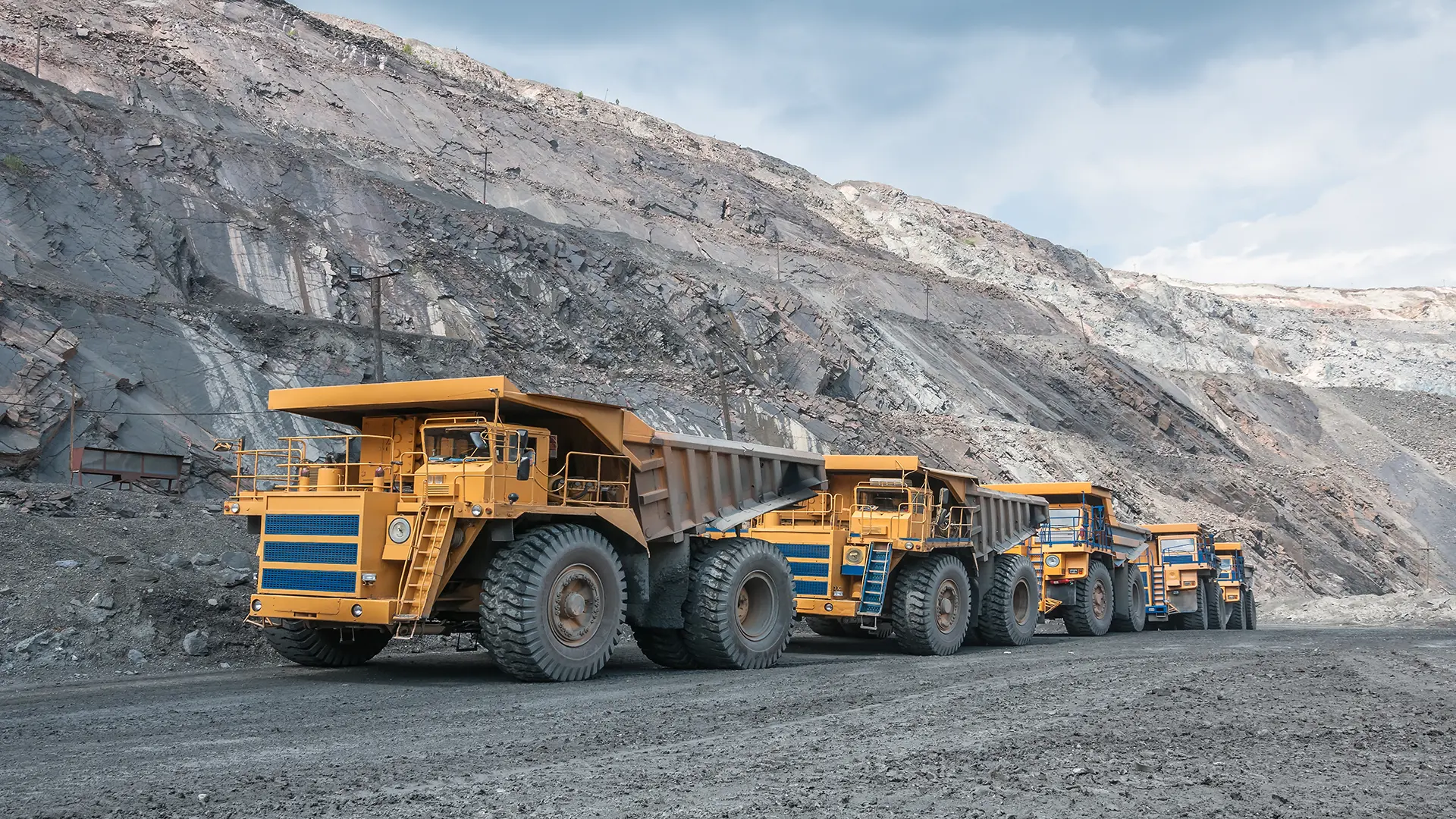
In the mining industry, companies are looking into replacing diesel with hydrogen fuel cells in mining haul trucks. One firm, Anglo American (London, England) is also building a pilot-scale electrolyzer onsite at its Mogalakwena PGMs platinum mine in South Africa to produce green hydrogen. Industrial Info is tracking three active projects tied to Anglo American's Mogalakwena Mine Green Hydrogen Deployment Project. Subscribers to Industrial Info's Global Market Intelligence (GMI) Metals & Minerals project and plants databases can click here for list of detailed project reports and click here for the plant profile.
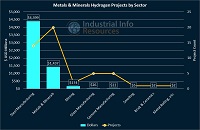
Industrial Info is tracking about $6 billion worth of hydrogen projects in the Metals & Minerals Industry, the majority of which are in the steel manufacturing sector. Subscribers can click here for a list of detailed project reports.
Next week, we will address hydrogen use for residential/commercial heating, the fourth leg of the Bipartisan Infrastructure Law's hydrogen hub funding. Following that, we will examine the potential for green hydrogen to meet the growing demand. Since current hydrogen production is about 96% from fossil fuels, for any kind of hydrogen economy to make a CO2 difference, production will have to get greener.
Industrial Info Resources (IIR) is the world's leading provider of market intelligence across the upstream, midstream and downstream energy markets and all other major industrial markets. IIR's Global Market Intelligence Platform (GMI) supports our end-users across their core businesses, and helps them connect trends across multiple markets with access to real, qualified and validated project opportunities. Follow IIR on: LinkedIn.
/news/article.jsp
false
Want More IIR News Intelligence?
Make us a Preferred Source on Google to see more of us when you search.
Add Us On GoogleAsk Us
Have a question for our staff?
Submit a question and one of our experts will be happy to assist you.

Forecasts & Analytical Solutions
Where global project and asset data meets advanced analytics for smarter market sizing and forecasting.
Explore Our Solutions
Industrial Project Opportunity Database and Project Leads
Get access to verified capital and maintenance project leads to power your growth.
Discover Our DatabaseIndustry Intel
-
The Role of Contract Manufacturing in Global Pharma GrowthPodcast Episode / May 8, 2026
-
2026 North American Labor OutlookPodcast Episode / Apr 24, 2026
-
2026 European Metals & Minerals Project Spending OutlookPodcast Episode / Apr 7, 2026
-
The Age of Critical Minerals in the AmericasPodcast Episode / Mar 20, 2026
-
2026 Regional Chemical Processing OutlookPodcast Episode / Mar 6, 2026