Power
Western Australia Invites Private Sector to Boost Generating Capacity
Western Power's current baseload generation is continuously operated 24 hours a day and is mainly coal-fired.
Released Wednesday, January 08, 2003
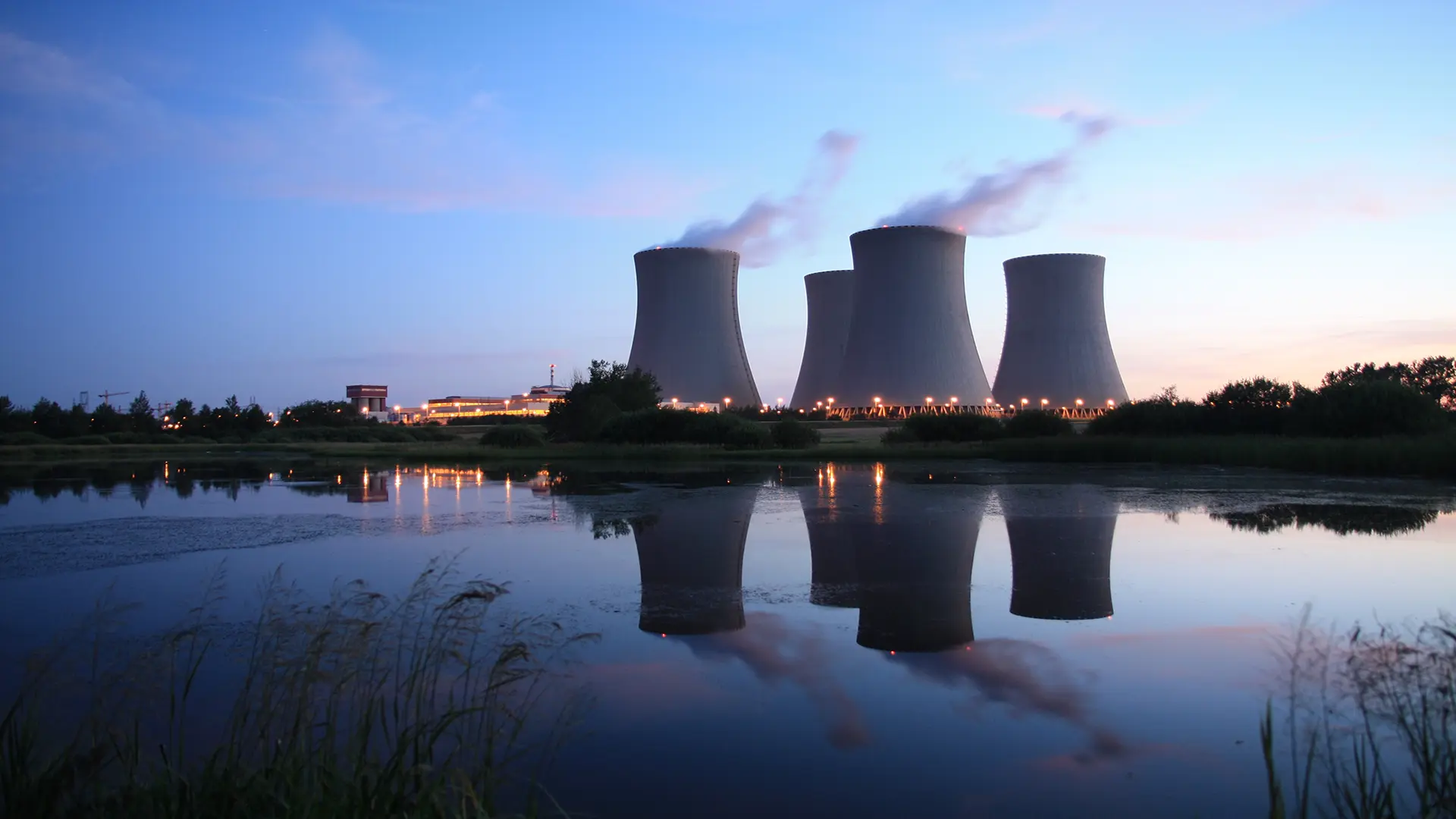
Researched by Industrialinfo.com (Industrial Information Resources, Incorporated; Houston, Texas). Expressions of interest in building a new 300 to 330 MW power station in Western Australia were opened to private sector companies in late December, 2002 and will close in February, 2003. The estimated $250 million power station will be designed to meet Western Power's (Perth, Western Australia) electricity needs from 2007 onwards. The new plant will be a key component in the state's energy strategy to increase electricity generation in the southwest region of Western Australia and to deliver reliable and good quality power supplies as the state continues to grow.
Western Power's current baseload generation is continuously operated 24 hours a day and is mainly coal-fired. The open competitive process that is underway for the new plant will welcome coal and gas powered alternatives to bid head to head. Interest in building the new generating plant has been shown by international, national and local interests. Because of government electricity market reforms, it is possible that the successful company or consortium may build a bigger power station and sell the excess electricity on the open market.
As demand in the southwest region continues to rise at a rate of three percent per annum, the existing baseload generation is expected to reach capacity by 2007 at the earliest. In addition to increased generation, another expected benefit would be the opportunity to introduce leading edge electricity generating technology so as to improve efficiency, lower costs and reduce greenhouse gas emissions, regardless of a coal or gas base.
The state's energy department does not preclude the building of further privately owned power stations in the course of the public procurement process being conducted by Western Power. The baseload power procurement process complements the current competitive tender process for a new peaking plant that Western Power is also conducting.
Four consortia have been invited to finalize their bids to supply up to 260 MW of peaking power that Western Power desires by 2005/06. Generally, a peaking power plant is needed only when demand for electricity is at its highest, typically at the height of summer, the depths of winter, and during maintenance when baseload plants are out of service.
Parallel with this activity, Western Power has begun a program to replace some of its older equipment with a modern and efficient gas-fired combined cycle plant at Cockburn power station. This will allow for the replacement of an older gas-fired plant at the Kwinana power station and a forty- year old coal-fired plant at Muja near Collie.
Currently, state owned Western Power owns five major power stations and twenty-six smaller regional power stations with a total capacity of 3,280 MW. The 794,000 industrial, commercial and residential customers are supplied through two major interconnected systems as well as twenty-nine separate systems in remote areas. Western Power owns approximately 60% of electricity generating capacity in the state, with the remainder owned by private industry.
/news/article.jsp
false
Want More IIR News Intelligence?
Make us a Preferred Source on Google to see more of us when you search.
Add Us On GoogleAsk Us
Have a question for our staff?
Submit a question and one of our experts will be happy to assist you.

Forecasts & Analytical Solutions
Where global project and asset data meets advanced analytics for smarter market sizing and forecasting.
Learn More
Industrial Project Opportunity Database and Project Leads
Get access to verified capital and maintenance project leads to power your growth.
Learn MoreIndustry Intel
-
2026 North American Labor OutlookPodcast Episode / Apr 24, 2026
-
2026 European Metals & Minerals Project Spending OutlookPodcast Episode / Apr 7, 2026
-
The Age of Critical Minerals in the AmericasPodcast Episode / Mar 20, 2026
-
2026 Regional Chemical Processing OutlookPodcast Episode / Mar 6, 2026
-
From Data to Decisions: How IIR Energy Helps Navigate Market VolatilityPodcast Episode / Nov 21, 2025