Power
EU Makes Tough Decisions to Cut Dependence on Russian Gas
Because countries in the European Union (EU) sit on top of very little gas or oil, their economies are at the mercy of world energy markets.
Released Friday, April 29, 2022
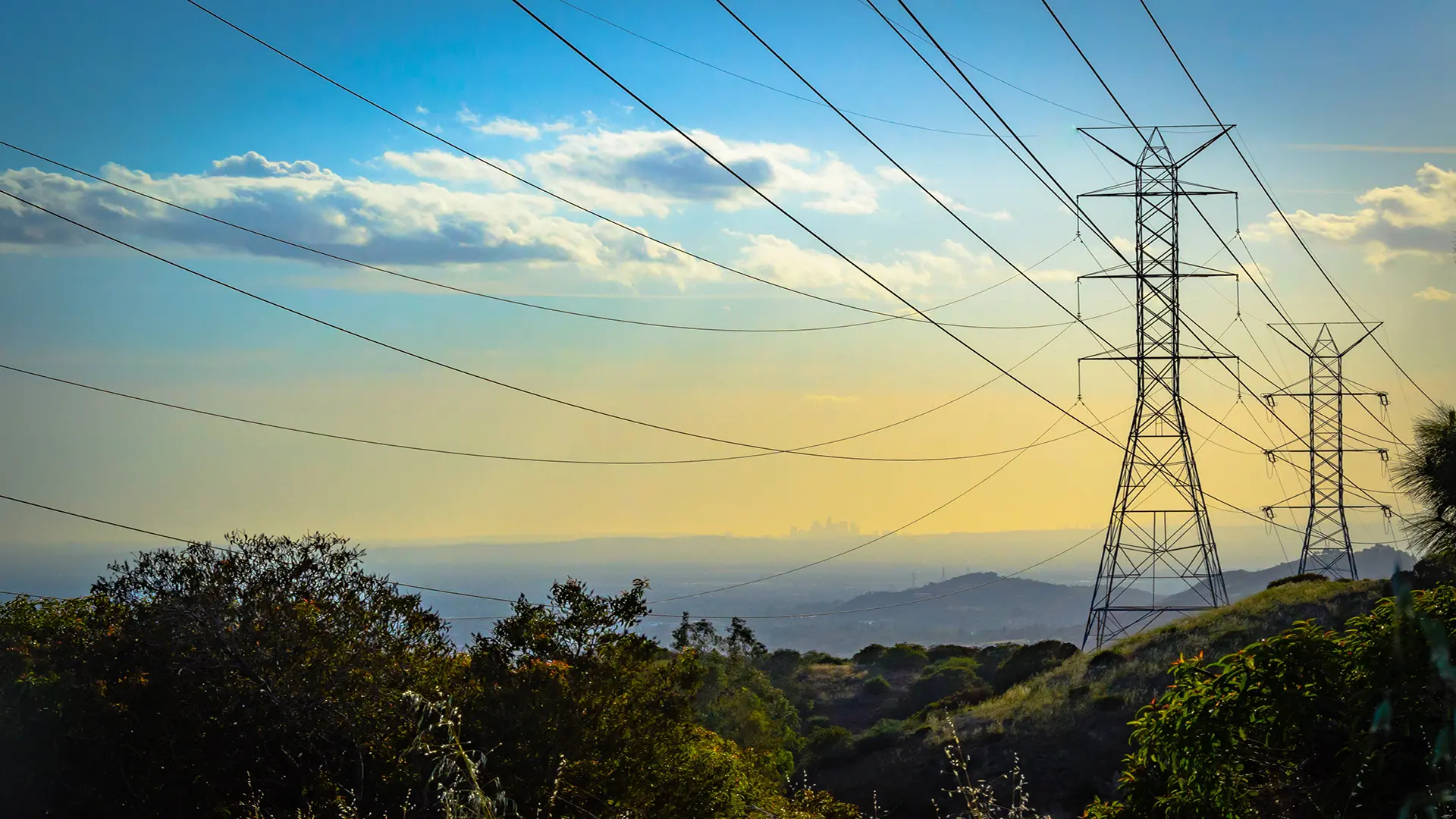
Written by Paul Wiseman for Industrial Info Resources (Sugar Land, Texas)--Because countries in the European Union (EU) sit on top of very little gas or oil, their economies are at the mercy of world energy markets. And with the decision to sanction Russia, their largest supplier, by slashing those imports it creates as many problems for the buyers as for the sellers.
In 2021, the International Energy Agency (IEA) says Russian gas accounted for around 45% of EU gas imports, and close to 40% of the EU's total gas consumption. The energy supplied by Russian imports of 155 billion cubic meters will indeed be hard to replace by any other means. The EU faces difficult choices, none of which is optimal.
Germany, for example, recently wrestled with the role of nuclear power in replacing Russian energy. After the 2011 tsunami-related nuclear disaster at Fukushima in Japan, Germany had decided to gradually decommission all 17 of its nuclear plants, which were providing one-fourth of the nation's electricity. Decommissioning was scheduled to be completed by closing the last few reactors in 2022. After reviewing that schedule in light of a new energy shortage, Germany's economy and environment ministries decided to move ahead with decommissioning this year, which will further strain the nation's electric grid.
Instead, the German government is pushing a plan to build the nation's first liquefied natural gas (LNG) import facility, at Brunsbüttel. A German state bank and Dutch utility have agreed on a memorandum of understanding to build the site, expected to be in operation by 2024.
It is reported that the terminal's regasification capacity will be 8 billion cubic meters (Bcm) annually. When completed, this would replace slightly more than 11% of the 70 Bcm Germany currently imports from Russia each year.
Many experts say LNG import terminals take at least three years for construction, not including permitting, much less than the two-year turnaround expected by the government. It does appear that at least the permitting in this case would be expedited due to the emergency situation.
But even that means consumers will have to wait a minimum of two years, and it would likely take longer to build out the infrastructure.
Said International Energy Agency (IEA) Executive Director Faith Birol, "Nobody is under any illusions anymore. Russia's use of its natural gas resources as an economic and political weapon show Europe needs to act quickly to be ready to face considerable uncertainty over Russian gas supplies next winter." Her organization put forth a 10-point plan that included increasing renewables, maximizing current low emissions electricity sources including bioenergy and nuclear (a move that the IEA says could cut could cut EU gas demand by almost 1 Bcm per month), increasing energy efficiency and other moves. The suggestions did not include using coal, although the agency's press release admitted that coal might have to be in the mix.
Increasing wind and solar facilities would also take time, and those projects also require permitting and construction. Even more concerning is the fact a drop in wind speeds across Europe were much lower than usual in 2021, which had already spiked gas and coal prices before the Russia/Ukraine situation began in 2022. According to Refinitiv data, Europe's three largest wind producers, which include Britain, Germany and Denmark, were able to harness just 14% of installed capacity in the third quarter of 2021. In previous years, they had seen an average of 20%-26% usage.
In light of the time delays inherent in any green or semi-green options, an interesting short-term solution scenario is developing in Germany, says IIR's Shane Mullins.
"Record high natural gas prices, low gas storage inventories and declining domestic production have made coal power generation more economical," he said. To counteract the CO2 emissions this could create, Mullins sees carbon credit prices skyrocketing.
It's not just Germany. "Europe as a whole is going to rely on coal a while longer, so carbon capture utilization and storage projects in Europe are on the rise. Many are slated to reuse existing infrastructure," Mullins noted. "Several are underway, with more slated to follow."
Industrial Info Resources (IIR) is the world's leading provider of market intelligence across the upstream, midstream and downstream energy markets and all other major industrial markets. IIR's Global Market Intelligence Platform (GMI) supports our end-users across their core businesses, and helps them connect trends across multiple markets with access to real, qualified and validated project opportunities. Follow IIR on: LinkedIn.
/news/article.jsp
false
Want More IIR News Intelligence?
Make us a Preferred Source on Google to see more of us when you search.
Add Us On GoogleAsk Us
Have a question for our staff?
Submit a question and one of our experts will be happy to assist you.

Forecasts & Analytical Solutions
Where global project and asset data meets advanced analytics for smarter market sizing and forecasting.
Explore Our SolutionsRelated Articles

Industrial Project Opportunity Database and Project Leads
Get access to verified capital and maintenance project leads to power your growth.
Discover Our DatabaseIndustry Intel
-
Innovations Shaping the Next Era of Power GenerationPodcast Episode / May 22, 2026
-
The Role of Contract Manufacturing in Global Pharma GrowthPodcast Episode / May 8, 2026
-
2026 North American Labor OutlookPodcast Episode / Apr 24, 2026
-
2026 European Metals & Minerals Project Spending OutlookPodcast Episode / Apr 7, 2026
-
The Age of Critical Minerals in the AmericasPodcast Episode / Mar 20, 2026